Master Remote Work With Your Dog's Quiet Cue

Train your dog to recognize a quiet time cue for a peaceful, productive work-from-home day.
A quiet time cue is a specific command, like "settle" or "place," that you train your dog to understand means it's time to relax calmly on their bed or in their crate while you work. To create one, pair the cue with high value treats and a cozy designated spot, consistently rewarding calm behavior. Combine this training with puzzle toys, scheduled quiet time apart, and ample pre work exercise for a peaceful home office.

The scene is a familiar one for many remote workers. You're deep in a crucial video call, presenting your best professional face, when suddenly the soundtrack switches from corporate calm to canine chaos. Your dog, previously napping peacefully, has decided it's the perfect moment for a barking fit, a squeaky toy symphony, or a dramatic sigh directly into your microphone. While we adore our furry coworkers, their untimely contributions can test our sanity and professionalism. The dream of working from home with a dog isn't about silence; it's about harmony. It's about teaching your dog when it's time for play and connection, and when it's time for quiet, independent calm. The secret weapon to achieving this balance isn't just a closed door or a stash of treats. It's a trained behavior called a "quiet time cue."
What Is a Quiet Time Cue and Why Does It Work?
A quiet time cue is more than just a command. It's a clear, consistent signal to your dog that communicates, "I am unavailable for play right now, and your job is to relax here." This differs from simply ignoring your dog, which can lead to frustration and more attention seeking behaviors like barking or pawing. Instead, you are giving them a specific, rewarded job to do. Common cues for this concept include "place," "go to your bed," "settle," or "mat."
This method works because it provides structure and clarity, something dogs crave. Experts from sources like Rover.com and Small Door Veterinary emphasize using these opportunities to work on cues like "go to spot" and "settle," and to teach your pet to actively choose to be in a separate space from you. This fosters healthy independence. When your dog understands and willingly performs this "job," they experience less anxiety about your focused attention and are more content to entertain themselves. It transforms the dynamic from you constantly shushing or redirecting a nuisance, to your dog confidently choosing a calm behavior that earns them praise and rewards.
Step-by-Step: Training Your Dog's "Settle" or "Place" Cue
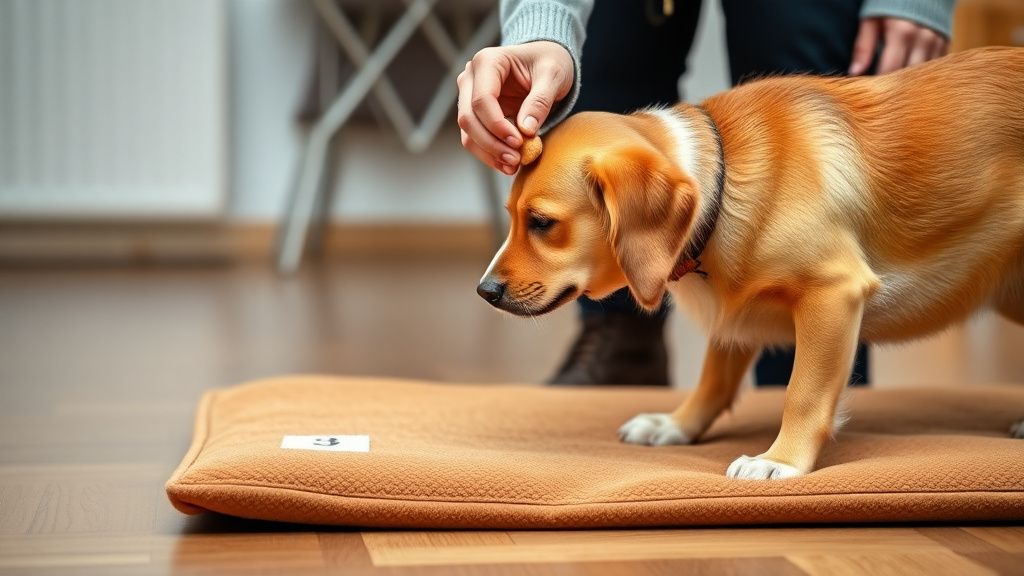
Training a reliable quiet time cue requires patience and consistency, but the payoff for your work life is immense. Here is a practical, actionable plan.
Step 1: Choose and Prepare the "Spot"
Your dog's quiet time spot should be a dedicated, comfortable area. This could be a specific dog bed, a mat, or a crate if they are crate trained. According to professional advice compiled by Upwork, your space should be set up for your pup with "comfy beds and quiet toys." Place this spot in your office or just outside it, somewhere they can see you but isn't underfoot. Having a visual cue, like a specific rug or mat, helps define the area, as noted by Pack Method Prep.
Step 2: Charge the Cue with Positive Association
Begin with short, positive sessions. Have your best dog treats ready.
1. Lead your dog to the spot, lure them onto it with a treat, and say your chosen cue word like "place."
2. The moment all four paws are on the spot, praise and give the treat.
3. Repeat this multiple times until they eagerly go to the spot when you give the cue and show the treat.
Step 3: Build Duration and Distance
Once your dog is going to their spot reliably, start to delay the treat. Ask for a "down" on the spot. Then, wait one second before treating. Gradually increase the time to 5, then 10, then 30 seconds, treating for calm behavior. If they break position, simply reset them without scolding and try a shorter duration. Next, practice taking a small step back after they settle. Return and treat before they get up. Slowly increase your distance until you can move to your desk chair.
Step 4: Generalize and Use During Work Hours
Practice this cue in different rooms and at different times of day. When you start your workday, use your "place" or "settle" cue as part of your routine. Provide a long lasting chew, a stuffed Kong, or a puzzle toy to make the spot incredibly rewarding. This aligns perfectly with advice from Green Paws Chicago, which recommends keeping "puzzle toys, chews, or enrichment feeders nearby for quiet entertainment."
Essential Tools to Support Your Dog's Quiet Time
Training is the foundation, but the right tools make the structure solid. Your goal is to make independent quiet time more appealing than pestering you.
* Mental Enrichment Toys: Food dispensing toys, snuffle mats, and lick mats are invaluable. They turn a simple meal into a engaging, time consuming activity that tires your dog mentally. Consider a dog subscription box that delivers new, stimulating puzzles and toys monthly to keep their interest high.
* Comfort is Key: Invest in a supportive bed for their designated spot. A comfortable dog is a sleepy dog.
* The Power of the Chew: A safe, long lasting chew like a bully stick or a dental chew can occupy a dog for a significant chunk of your morning. It's a focused activity that promotes calm.
* Calming Aids: For dogs who need extra help winding down, a well fitted anxiety wrap or a diffuser with dog appeasing pheromones can take the edge off. For more strategies, our dog anxiety guide offers deeper insights.
* White Noise: A small fan, a white noise machine, or calming music can help mask outside noises that might trigger barking.
Building a Balanced Daily Routine for a Calm Coworker
A quiet time cue isn't a magic "off" switch. It works best within a daily schedule that meets all of your dog's needs. Think of it like this: a tired and mentally satisfied dog is a dog ready to settle.
Start your day with a proper "commute." A good morning walk or play session *before* you log on is non negotiable. TrustedHousesitters.com stresses that keeping your dog mentally stimulated includes "regular walks, snuggle breaks, and puppy playtime." This pre work investment in exercise and bonding makes your request for quiet time much more reasonable.
Schedule your breaks like meetings with your dog. A quick 5-10 minute play session, a potty break, or a short training refresher in the middle of the morning and afternoon tells your dog their time is coming. This prevents them from feeling the need to demand attention.
Crucially, build in time apart. Canine Journal advises to "let them nap in another room, use a crate for quiet time, or occasionally leave the house without them so they stay confident being alone." This prevents separation anxiety from creeping back in and reinforces that being alone is safe and normal.
Finally, use your quiet time cue consistently. When you sit at your desk, give the cue. When you're on a call, your dog should be on their spot. The consistency of the routine itself becomes a cue for your dog.
Troubleshooting Common WFH Challenges with Dogs
Even with the best plan, you'll hit snags. Here's how to handle them.
* Barking During Calls: This is the classic issue. If your dog barks, do not yell "quiet!" from across the room. It often sounds like you're barking *with* them. Instead, calmly get up, lead them back to their quiet time spot, ask for a "down" or "settle," reward them for compliance, and then return to your call. You may need to practice "quiet" as a separate command, rewarding moments of silence, as suggested by McCallum Centre Animal Hospital.
* Whining or Pawing for Attention: Completely ignore the behavior. Do not make eye contact, speak, or push them away. Any attention can be rewarding. The second they stop and are calm, even for a moment, mark that with a "good!" and a treat tossed to their bed. They learn that calmness, not nagging, gets rewards.
* They Just Won't Stay on the Spot: You've likely increased duration or distance too quickly. Go back to a simpler step where they can succeed. Make the rewards more valuable. Is their bed as comfortable as the floor by your feet? I've seen a simple upgrade from a thin mat to a plush orthopedic bed make all the difference for a reluctant settler.
* They Seem Bored with Their Toys: Rotate toys to keep them novel. Hide a portion of their breakfast kibble in the room for a "find it" game before you start work. Using part of their daily food allowance for puzzle toys is a great way to provide enrichment without overfeeding. You can also explore different types of engaging meals, like freeze-dried dog food rehydrated in a puzzle toy.
Final Thoughts
Working from home with a dog is a journey of mutual understanding, not a battle of wills. Creating a reliable quiet time cue is the cornerstone of a peaceful home office because it gives your dog a clear, positive job to do. It shifts the narrative from "stop bothering me" to "let's do our work together." Remember, this skill is built on the foundation of a balanced day filled with exercise, mental challenges, and connection. Be patient, celebrate the small wins, and enjoy the profound privilege of sharing your workday with a loyal friend who, with a little guidance, can become your most supportive and quietest colleague.
Find the Perfect Box for Your Dog
Compare top-rated dog subscription boxes and find the best fit for your pup.
Compare Boxes