Heres Exactly What I Check for on a Dog Food Label Before I Ever Buy It
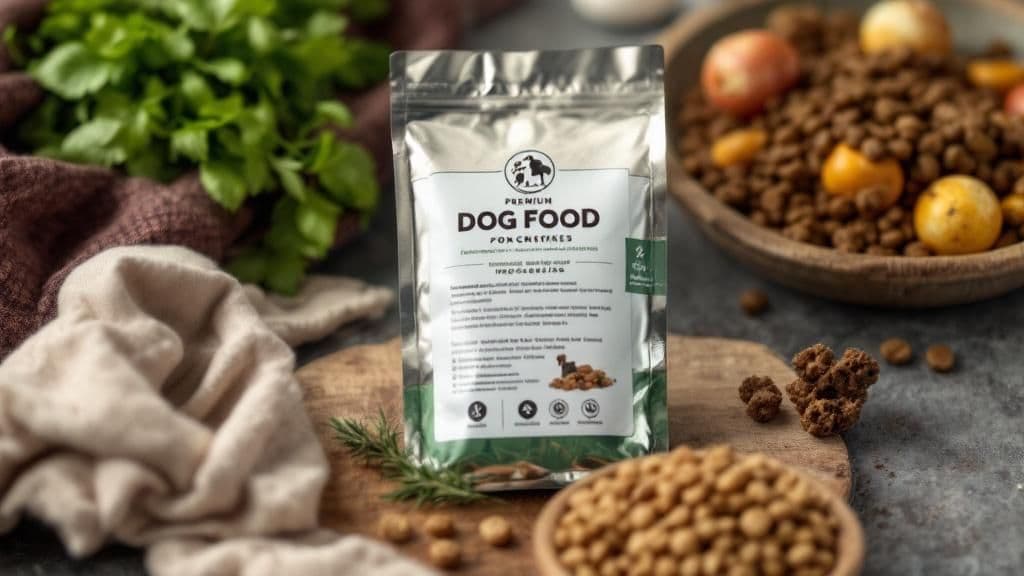
Labels are designed by marketing teams, not nutritionists. To find the truth, you have to look past the pretty pictures and dive into the ingredient list.
As a vet tech, the three things I always check on dog food labels are: named protein source as ingredient #1 (not "meat meal"), the AAFCO nutritional adequacy statement confirming complete and balanced nutrition, and the calorie content per cup for proper portion control. Skip the marketing front — all the real information is on the back panel.
Heres Exactly What I Check For On A Dog Food Label Before I Ever Buy It
Working in a clinical setting for over a decade changed how I shop for my own pets. I have seen the long term effects of poor nutrition up close, and it has made me an absolute hawk when it comes to reading labels. While many pet owners are swayed by the glossy packaging and heartwarming imagery of happy dogs running through sunlit fields, the real story of a dog food is buried in the small print on the back of the bag. Learning to decode these labels is the most important skill you can develop as a pet parent. This detailed guide explains exactly what I look for—and what I avoid—every time I consider a new food for my dogs, ensuring they receive the highest quality nutrition possible.
The Psychology Of Pet Food Marketing
Marketing teams for pet food companies are brilliant at using buzzwords that appeal to human emotions. Terms like "holistic," "premium," "ancestral," or "human grade" are designed to make you feel like you are providing the best possible care. However, the reality is that many of these terms are not strictly regulated in the pet food world. For example, a food labeled as "premium" does not actually have to meet any specific nutritional standard beyond the bare minimum.
To find the real value of a product, I always ignore the front of the bag and head straight to the ingredient list. The law requires ingredients to be listed in descending order by weight, so the first three to five ingredients will tell you almost everything you need to know about the quality of the food. If the first ingredient is not a clear, named animal protein, I immediately put the bag back on the shelf.
The Power Of Named Animal Proteins
When I read an ingredient list, I am looking for specificity. I want to see "Chicken," "Beef," "Salmon," or "Lamb." These are whole, named proteins that provide the essential amino acids your dog needs to build muscle and maintain healthy organs.
What I absolutely avoid are generic terms like "meat meal," "animal fat," or "meat by products." These terms are a red flag because they do not specify which animals the protein came from. "Meat meal" could be a combination of several different species, and the quality of those sources is often much lower than a named whole meat or even a named meat meal like "Chicken meal." A named meal is actually a highly concentrated source of protein because the water has been removed, but it must still be a specific animal to meet my standards.
Identifying Fillers and Low Nutrient Ingredients
After the primary protein, I look for what is being used as a binder or filler. Many lower quality dog foods use large amounts of corn, wheat, or soy because these ingredients are inexpensive and easy to process into kibble. While dogs can digest these grains, they often provide less nutritional density than alternatives like sweet potatoes, oats, or brown rice.
I am particularly wary of "ingredient splitting." This is a common tactic where a company lists several different forms of the same ingredient—such as corn, corn gluten meal, and corn bran—separately. Because they are split, each one weighs less and can be moved further down the ingredient list, hiding the fact that the food is primarily made of corn. When you add all those corn components back together, they often outweigh the primary protein at the top of the list.
Searching For The AAFCO Statement
The next thing I look for is the Association of American Feed Control Officials, or AAFCO, statement. While AAFCO does not actually "approve" or "certify" pet foods, they establish the nutritional standards that all pet foods should meet.
Every bag of dog food should have a statement that says it is "formulated to meet the nutritional levels established by the AAFCO Dog Food Nutrient Profiles." This statement will also specify which life stage the food is intended for—growth, maintenance, or all life stages. If a boutique or "all natural" brand does not include an AAFCO statement, it means their recipe has not been verified for nutritional adequacy, and I will not feed it to my dogs.
The Importance Of Omega Fatty Acids And Preservatives
Healthy fats are essential for skin and coat health, but the source of those fats matters. I look for named fat sources like "chicken fat" or "fish oil." I also check for the inclusion of Omega three fatty acids, such as DHA and EPA, which support brain health and reduce inflammation.
Equally important is what is used to preserve those fats. I avoid synthetic preservatives like BHA (Butylated Hydroxyanisole) and BHT (Butylated Hydroxytoluene), which have been linked to health concerns in some studies. Instead, I look for natural preservatives like "mixed tocopherols," which are a form of Vitamin E. These are much safer for long term consumption and do an excellent job of keeping the food fresh.
Evaluating The Guaranteed Analysis Section
The guaranteed analysis section provides a breakdown of the minimum protein and fat levels and the maximum fiber and moisture levels. While this is helpful, you have to remember that these numbers are on an "as fed" basis. This can be misleading when comparing dry kibble to wet food because wet food contains so much more water.
To truly compare the protein content of dry and wet food, you have to calculate the "dry matter" percentage. You do this by subtracting the moisture percentage from one hundred and then dividing the protein percentage by that result. For example, if a canned food is ten percent protein and eighty percent moisture, the dry matter protein is actually fifty percent. This calculation ensures you are comparing apples to apples when evaluating different types of food.
Expert Tips For Label Reading Success
Expert tip number one: look for the "made in" vs. "product of" distinction. I prefer foods that are both manufactured and sourced in countries with high safety standards, such as the United States, Canada, or New Zealand. This reduces the risk of contamination from lower quality sourcing.
Expert tip number two: check for the "best by" date. Natural preservatives do not last as long as synthetic ones. Always ensure the food is as fresh as possible and never buy more than your dog can eat in about six weeks to ensure the fats do not go rancid once the bag is opened.
Expert tip number three: do not be afraid to contact the manufacturer. A reputable company will be happy to tell you exactly where their ingredients come from and who formulates their recipes. If they are evasive about their sourcing or whether they have a veterinary nutritionist on staff, that is a major warning sign.
Frequently Asked Questions About Dog Food Labels
What is a "by product" exactly?
By products are the parts of an animal that are not traditionally consumed by humans, such as organs, necks, and feet. While some by products are highly nutritious, the lack of transparency in many "by product meals" is why I generally avoid them in favor of whole meats.
Is a grain free diet safer for my dog?
There is no evidence that grains are harmful to most dogs. In fact, some grain free diets that replace grains with high amounts of legumes like peas and lentils have been linked to heart issues. Unless your dog has a specific grain allergy, a grain inclusive diet is often the better choice.
Why is salt listed in dog food?
A small amount of salt is a necessary mineral for dogs. However, it should be very far down on the ingredient list. If salt is listed before the primary vitamins and minerals, the food might be using it as a flavor enhancer to mask low quality ingredients.
Does "natural" mean the food is better?
The term "natural" simply means the ingredients were not chemically altered. It does not mean they are high quality or nutritionally balanced. Always rely on the AAFCO statement rather than the word "natural."
What if my dog is doing fine on a low quality food?
Many dogs are resilient and can survive on sub optimal nutrition for a long time. However, the long term effects of poor nutrition often show up in the senior years as chronic health issues. Providing high quality nutrition now is an investment in their future health.
Final Summary Of Expert Label Evaluation
Choosing the right food for your dog should not feel like a guessing game. By ignoring the marketing claims on the front of the bag and focusing on the hard data on the back, you can take control of your dog's health. Prioritize named animal proteins, avoid generic fillers and synthetic preservatives, and always look for the AAFCO statement of adequacy. Your dog cannot read the label, so it is up to you to be their advocate. When you know what the words actually mean, you stop paying for clever advertising and start paying for your dog's longevity and happiness. A few extra minutes spent reading a label today can lead to years of extra health for your best friend.
Recommended Products


Find the Perfect Box for Your Dog
Compare top-rated dog subscription boxes and find the best fit for your pup.
Compare Boxes