Identifying High Quality Ingredients on Any Dog Food Label Like an Expert
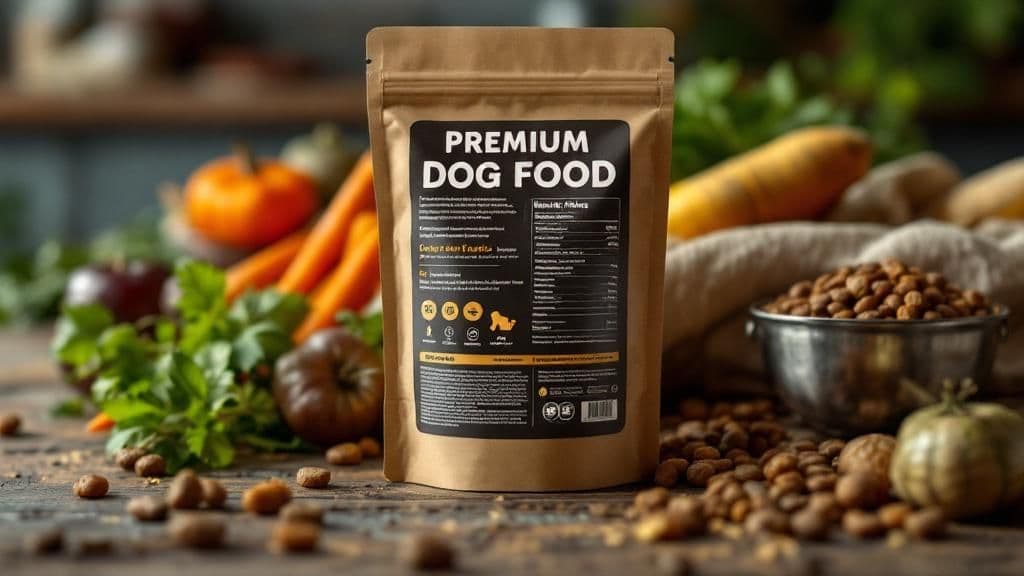
Learn how to cut through marketing buzzwords and clinical claims to find the real nutritional value for your dog.
Look for named animal proteins (chicken, beef, salmon) as the first ingredient, check the guaranteed analysis for minimum protein and fat percentages, and verify the AAFCO nutritional adequacy statement. Avoid vague terms like "meat meal," "animal by-products," and "natural flavors" — these indicate lower-quality, inconsistent sourcing.
Identifying High Quality Ingredients On Any Dog Food Label Like An Expert
Analyzing pet products from a professional standpoint has taught me that the real data is almost always hidden in the fine print on the back of the bag. Most labels are designed to catch your eye with glossy imagery of happy dogs and healthy ingredients, but the reality is that many of these marketing claims are not strictly regulated. To find the real value of a dog food, you must become an advocate for what goes into your best friend's bowl by learning how to decode the ingredient list and guaranteed analysis section like an expert. This comprehensive guide breaks down the science of reading any dog food label, ensuring you make informed choices that support your dog's long term health and structural integrity.
The Science Of Ingredient Weight And Density
The law requires that dog food ingredients must be listed in descending order by weight before processing. This means that the first three to five ingredients contribute the most to the overall composition of the food. However, it is important to understand "ingredient splitting" and "water weight" to avoid being misled by clever placement.
Fresh meat—like chicken or beef—contains about seventy five percent water. When it is processed into dry kibble, most of that water is removed. If the first ingredient is fresh chicken, it may actually provide less total protein than a named "meal" like chicken meal, which has already had the water removed. An expert eye looks for both a fresh named protein at the top of the list and a high quality named meal as a secondary ingredient to ensure robust protein density.
Identifying Generic vs Named Proteins And Fats
One of the most critical things I look for on a label is specificity. You should always prioritize named animal proteins like "Salmon," "Turkey," or "Duck." When you see a specific animal listed, you know exactly where the protein is coming from and can be confident in its nutritional value and digestibility.
Avoid generic terms like "meat meal," "animal fat," or "poultry by products." These are red flags because they do not specify which animals the protein or fat came from. "Meat meal" could be a combination of several different species of varying quality. Similarly, "animal fat" is a generic term that can hide low quality or inconsistent sources of fat. For your dog to thrive, you want to see specific, high quality named fats like "chicken fat" or "fish oil," which are rich in essential Omega three and six fatty acids.
The AAFCO Statement: Your Baseline For Safety
While it is not a gold standard of quality, the AAFCO (Association of American Feed Control Officials) statement is your baseline for nutritional adequacy. Every bag of dog food should carry a statement confirming it has been formulated to meet the nutritional levels established for a specific life stage, such as "growth" for puppies, "maintenance" for adults, or "all life stages."
If a brand—especially a boutique or "all natural" company—does not include an AAFCO statement, it means their recipe has not been verified for essential nutritional balance. Feeding a food without this certification can lead to long term deficiencies or imbalances that can cause serious health issues. An expert always checks for this statement first to ensure the food is safe and complete.
Understanding Fillers And Low Quality Binders
Many commercial dog foods utilize large amounts of "fillers," which are inexpensive ingredients used to provide bulk with minimal nutritional value. This includes things like corn, wheat, and soy. While dogs are efficient omnivores and can digest these grains, they often provide less nutritional density and higher levels of simple carbohydrates than alternatives like sweet potatoes, oats, or brown rice.
You should also be aware of "ingredient splitting," a tactic where a company lists several different forms of the same ingredient—such as "corn," "corn gluten meal," and "corn bran"—separately. Because they are split, each one weighs less and can be moved further down the list, making it appear that meat is the primary ingredient when it is actually corn. An expert adds these split components together to get a clearer picture of the food's true composition.
Expert Tips For Label Mastering Success
Expert tip number one: utilize the "dry matter" calculation for a true comparison. To compare the protein content of dry kibble to wet food, you must subtract the moisture percentage from one hundred and then divide the protein percentage by that result. This calculation ensures you are comparing the actual nutrient density without the influence of water weight.
Expert tip number three: focus on the country of origin for both manufacturing and sourcing. Look for foods that are manufactured in countries with high safety standards, such as the United States, Canada, or New Zealand. This helps to ensure that the ingredients are of a consistently high quality and have been subject to rigorous safety testing.
Expert tip number three: do not be swayed by the word "human grade." This term is often used in marketing but has no strictly defined legal meaning in the pet food industry. Instead of relying on buzzwords, focus on the specific named ingredients and the AAFCO statement for an accurate assessment of quality.
Frequently Asked Questions About Dog Food Labels
What is a "by product meal" exactly?
A by product meal is made from the parts of an animal that are not consumed by humans, such as organs, feet, and necks. While some by products are nutritious, the lack of transparency in the term "by product" is why many experts prefer named whole meats or named meals.
Why is salt listed on the label?
A small amount of salt is a necessary mineral for any dog. However, it should be very far down on the list. If salt is listed before the primary vitamins and minerals, the food might be using it as a flavor enhancer.
Is a grain free diet really better for my dog?
Unless your dog has a diagnosed grain allergy, a grain inclusive diet using high quality grains like oats or brown rice is often the better choice. Some grain free diets have been linked to heart concerns in certain breeds.
What does "natural flavor" mean in dog food?
"Natural flavor" is a broad term for an additive derived from plant or animal sources to enhance palatability. While generally safe, it is another area where specificity is preferred over generic terms.
How often should I check the label of my dog's food?
Companies occasionally change their recipes, so it is a good habit to scan the ingredient list every few bags. It only takes a minute to ensure the quality has remained consistent.
Final Summary Of High Quality Label Identifying
Becoming an expert at identifying high quality ingredients is one of the most powerful ways you can oversee your dog's long term health and happiness. By prioritizing named animal proteins and fats, avoiding generic fillers, and always looking for the AAFCO statement of adequacy, you take total control of what goes into your companion's bowl. Your dog depends on you for every meal, and your commitment to their nutrition is a direct investment in their longevity. Don't be swayed by pretty packaging or clever advertising; the truth is always in the details. When you know what the words actually mean, you stop paying for marketing and start paying for your dog's structural integrity and daily enthusiasm. Your dog's health is far too important to leave to chance.
Recommended Products


Find the Perfect Box for Your Dog
Compare top-rated dog subscription boxes and find the best fit for your pup.
Compare Boxes