2026 Pet Safety Smart Home Tech Guide

Discover the latest smart devices keeping your pets safe and secure in 2026.
Smart home technology in 2026 offers a new level of safety and wellness for pets through intelligent, integrated systems. Key innovations include AI powered wearables that monitor health, smart access points like doors and crates for secure containment, and connected ecosystems that provide veterinarians with valuable long term data. These devices work together to prevent accidents, track vital signs, and give pet owners unprecedented peace of mind.
Imagine your home not just as a shelter for your family, but as an active, responsive guardian for your dog. The frantic search for a lost leash key or the worry that creeps in when you hear a bump in the night could become memories of a less connected past. The pet tech showcased at CES 2026 moves us firmly toward that reality, transforming our living spaces into intelligent environments that care for our four legged members. I have been reviewing pet products for years, and the shift from simple gadgets to a cohesive, AI driven ecosystem is the most significant leap I have seen. This is not about replacing your care, but augmenting it with constant, data rich support that makes true pet safety achievable even when you are not in the room.
How Can Smart Access and Containment Keep My Pet Safe?
The most immediate dangers to a pet often involve simple physical spaces, an open door, a stressful crate, or a difficult staircase. New technology is making these everyday points safer and more comfortable.
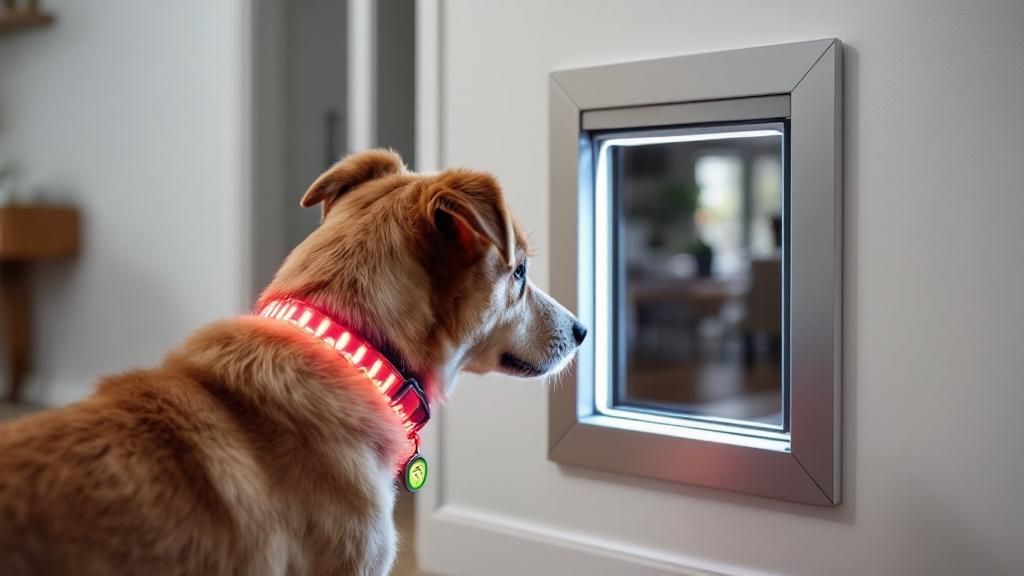
One standout from CES 2026 is the evolution of the smart pet door. This is no longer just a flap. Modern versions use precise, collar based identification to open only for your registered dog or cat. This keeps wildlife, stray animals, or even the neighbor's curious pet from wandering into your home. It also prevents your own pet from bolting out at an inopportune moment. You gain the freedom of movement they crave with a critical layer of security you control from your phone.
For crate training or creating a safe den, the innovation is equally impressive. Companies like CleverK9 are building smart crates on platforms like Z Wave for easy integration into your existing smart home. Imagine a crate with privacy glass that you can schedule to transition from transparent to opaque, creating a perfect, den like environment for rest time. The automation allows you to set schedules so the crate door closes securely at bedtime and opens in the morning, all without you lifting a finger. Because it is built to work with security systems, you can tie it into your home's alarm status or cameras, ensuring your dog is contained if a door is left ajar.
For senior pets or small breeds, navigating furniture can be a hazard. The market now offers smart ramps and lifts that assist pets with getting on the couch or climbing stairs. This technology prevents painful jumps and dangerous falls, addressing mobility issues before they lead to injury. Choosing the right tech here means looking at your pet's specific needs, their size, and the challenges in your home layout.
What Do AI Powered Wearables Really Tell Me About My Dog's Health?
The connected collar or tracker has evolved far beyond simple GPS. The latest generation of pet wearables is designed to be a daily health monitor, collecting detailed data, alerting you to changes, and even syncing seamlessly with your veterinarian.
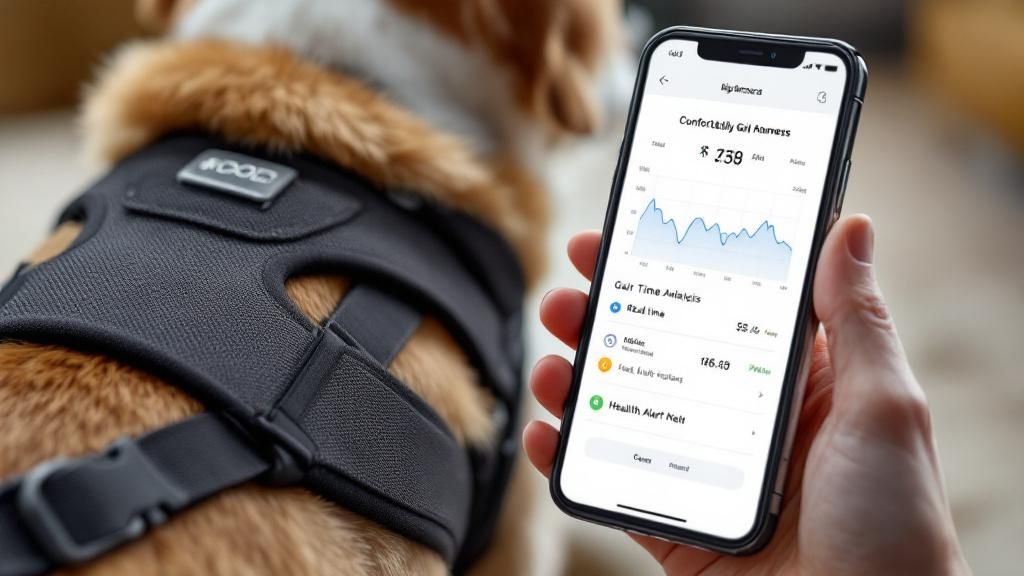
Take the AI enabled harness detailed in industry reports. This device does more than secure your dog on a walk. It uses embedded motion sensors to perform a continuous analysis of your pet's gait, posture, and fall patterns. If your dog slips, begins to limp, or exhibits an unusual walking rhythm, the harness can send an instant alert to your phone. This kind of early warning system is invaluable for detecting joint pain, muscle strain, or neurological issues long before they become severe.
Brands like Tractive have set a high standard, providing not just location tracking but also key health, sleep, and activity data. They even offer breed specific suggestions to help maintain target fitness levels. Some apps suggest local walks and dog parks and allow you to connect with nearby dog owners, which is great for socialization. The true power, however, is in the long term trends. By collecting data over months and years, these devices create a baseline for *your* dog. Your vet can then review this historical data to spot subtle deviations that might indicate the onset of chronic conditions like arthritis or thyroid issues.
How Do Integrated Ecosystems Simplify Pet Care?
Managing multiple apps and devices can feel overwhelming. The future, as demonstrated by leaders like PETKIT at CES 2026, lies in unified ecosystems. The company introduced three AI powered devices that work together as a single system in the home. This approach provides daily convenience while collectively gathering long term data on each pet's hydration, nutrition, and litter box habits.
Think of it this way, instead of a smart feeder, a smart water fountain, and a health tracker all operating in isolation, they communicate. The feeder notes a change in appetite, the fountain records decreased dog water calculator, and the tracker shows lowered activity. The ecosystem's AI can correlate this data and provide you with a clearer, more actionable insight than any single device could. This holistic view is what transforms technology from a series of neat gadgets into a genuine care partner. It is the difference between knowing facts and understanding the story of your pet's well being.
What Should I Look for in Pet Monitoring Cameras and Security?
Integrating pet safety into your overall home security strategy is now essential. A good camera does more than let you see your dog napping, it helps distinguish between a real threat and a pet just being a pet.
For 2026, experts advise looking for cameras with specific features. AI detection is paramount. The camera should be smart enough to accurately distinguish between a package delivery person, your dog roaming the living room, and an unknown human intruder. This prevents a barrage of false alerts every time your pet walks by.
Privacy and cost are also major considerations. Look for cameras that offer local storage options like an NVR system or an SD card slot. This allows you to avoid mandatory monthly subscription fees and, more importantly, keeps your personal video data private and under your control. When this camera is integrated with other pet tech, like the smart crate or door, you create a security net. You can receive an alert if the crate door opens unexpectedly, and immediately pull up the camera feed to see what is happening.
How Do I Choose the Right Tech for My Pet and Home?
With an explosion of products, selecting the right pet tech can feel overwhelming. The "best" device entirely depends on your specific needs, your pet's personality, and your home environment.
Start by identifying your primary concern. Is it preventing escapes? Monitoring a senior dog's health? Providing enrichment while you are at work? Your goal will point you toward a category, like smart containment or health wearables. Then, critically evaluate the options. Check which smart home platforms the device works with, like Amazon Alexa, Google Home, or Apple HomeKit. If you already use a security system, a product built on Z Wave for integration, like the CleverK9 crate, might be ideal.
Consider your pet's temperament. A nervous dog might benefit immensely from a smart crate with opaque, quiet modes, while an adventurous Houdini might need the most strong smart door with multiple authentication methods. Do not forget ongoing costs, like subscription fees for cellular GPS trackers or cloud storage. Often, the upfront cost is just one part of the equation.
Final Thoughts
Building a smarter home for your pet in 2026 is about creating a network of care, not just buying isolated gadgets. The technology available now offers profound peace of mind, from preventing escapes with intelligent doors to catching early signs of illness through AI analysis. It works quietly in the background, giving you more freedom and your dog more safety.
The most exciting part is how this tech empowers you to be a better pet parent. The data from a wearable can inform conversations with your vet, just as the schedule from an automatic feeder can help you manage a precise diet recommended by your dog food delivery service. You might even find that the activity reports help you choose the perfect, engaging toys for your next dog best dog subscription boxes. This is technology that supports the bond you share, ensuring your home is not just a place your dog lives, but a true sanctuary designed for their long, happy, and healthy life. Start with one device that solves your biggest worry, and you may be surprised at how naturally the rest of the ecosystem follows.
Recommended Products



Find the Perfect Box for Your Dog
Compare top-rated dog subscription boxes and find the best fit for your pup.
Compare Boxes