Exercise Limits For Senior Dogs
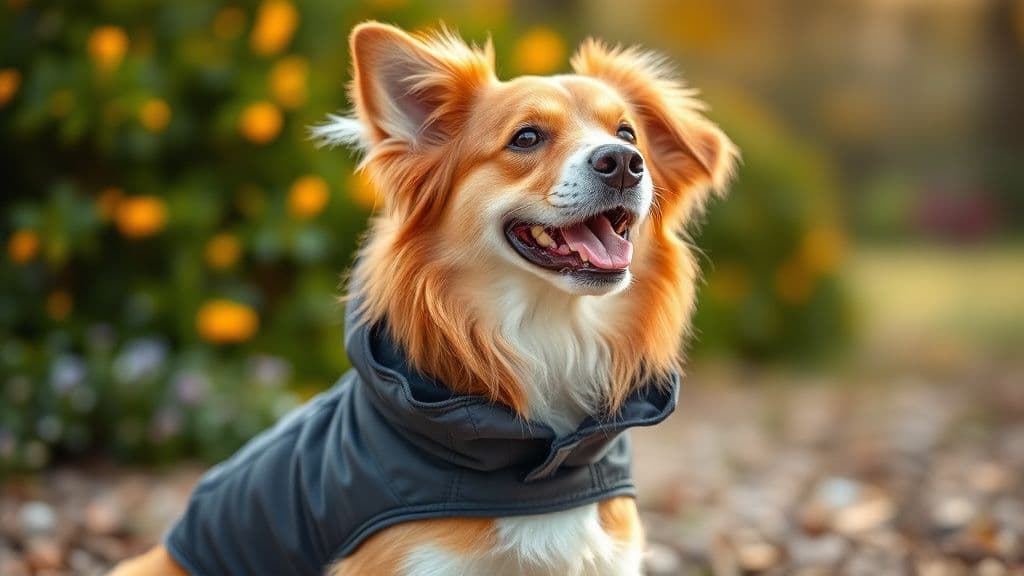
Keep your senior dog active and safe by learning the right exercise balance to avoid overexertion.
There is no single formula, but most senior dogs benefit from at least 30 minutes of exercise per day, broken into two or three shorter sessions. The right amount depends entirely on your individual dog's breed, health, and comfort, and the best guide is to watch your dog for signs of fatigue or stiffness and consult your veterinarian.
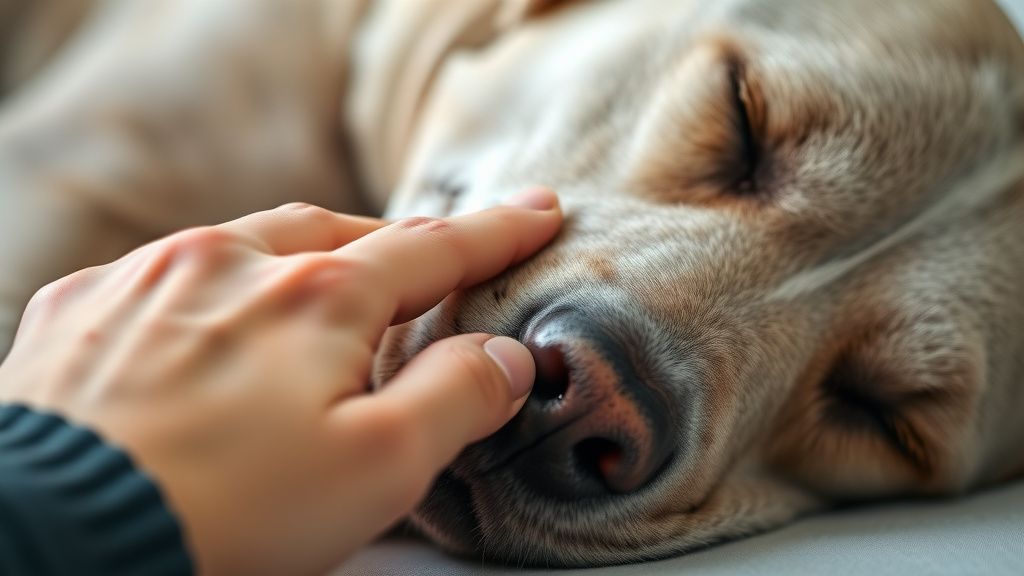
Watching your faithful companion slow down a little as they enter their golden years is a bittersweet experience. The dog who once bounded after tennis balls for hours might now prefer a leisurely sniff around the yard. As a pet parent, you're faced with a new balancing act: keeping them active to support their health without pushing them past their comfort zone. Exercise remains absolutely crucial for senior dogs. It helps manage weight, keeps joints mobile, supports digestion, and provides vital mental stimulation. But the question of "how much is too much?" can keep you up at night. I've seen many well-meaning owners either cut back activity too drastically or, conversely, push their old friend to keep up an unsustainable pace. The truth, backed by veterinarians and behaviorists, is that the answer is beautifully individual. This guide will help you read your dog's signals and craft an exercise routine that celebrates their senior status while supporting their wellbeing.
How Much Exercise Does a Senior Dog Actually Need?
You'll find a common baseline recommendation across many expert sources, including Preventive Vet and The Farmer's Dog: aim for at least 30 minutes of exercise each day. This isn't a universal mandate, but a helpful starting point. The key refinement is in how you deliver that activity. Splitting this time into two or three shorter sessions is one of the best ways to provide benefit without overtaxing your dog.
However, this 30-minute guideline can vary widely. A small-breed senior might be perfectly content with a 15 minute walk twice a day, as noted by Elanco's Your Pet & You. On the other hand, a larger, fitter senior dog might still enjoy and benefit from up to an hour of gentle activity daily, as suggested by PetSmart. The amount depends on a tapestry of factors: their lifelong fitness level, breed, size, and any underlying health conditions.
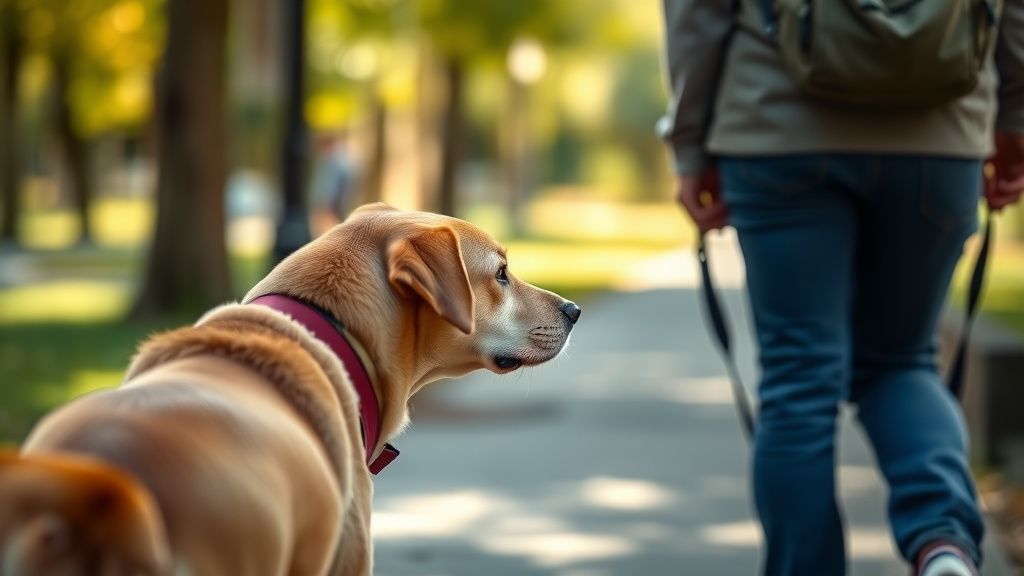
Dr. Liz Stelow, a veterinarian and behavior clinician at UC Davis, offers the most valuable insight: "Every dog will actually let you know how long or far they want to walk if you're paying attention." Your dog is your best guide. This means moving away from rigid distance or time goals and towards a philosophy of mindful, responsive exercise.
Key Factors That Change Your Dog's Exercise Needs
Understanding what influences your senior dog's capacity will help you personalize their routine. It's not just about age.
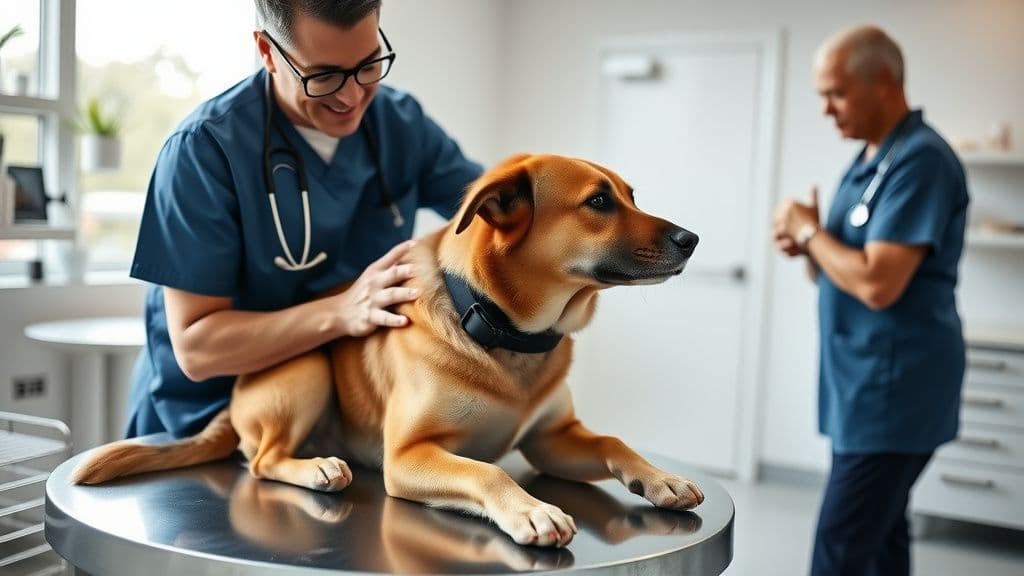
Breed and Size: A senior Labrador Retriever will likely have different stamina than a senior Chihuahua. Larger breeds often face joint issues like arthritis earlier, while some small breeds can remain spry well into old age. High-energy breeds, even in their senior years, may require more mental and physical engagement to stay satisfied. Health and Mobility: This is the most critical factor. Conditions like arthritis, heart disease, vision loss, or obesity dramatically alter what a dog can safely do. Your veterinarian is your essential partner here. As the AKC advises, always talk with your vet about exercising your senior dog. They can identify problem areas and suggest strengthening exercises, but warn against trying to treat ailments without professional advice. Individual Personality and History: A dog who was a couch potato in middle age won't transform into a hiking enthusiast at age 10. Conversely, a formerly athletic dog may still crave activity and become frustrated if their exercise is cut back too severely. Their mental need for engagement and enrichment does not disappear.Recognizing the Signs of "Too Much"
Paying close attention to your dog during and after activity is how you prevent overdoing it. "Too much" exercise isn't just about distance; it's about pushing past their current physical limits.
Watch for these signals during your walks or play sessions:
* Lagging behind or stopping frequently: This is a clear request for a break.
* Heavy panting that doesn't resolve quickly: Some panting is normal, but labored breathing is a red flag.
* Stiffness or limping: Any change in gait means it's time to head home.
* Lying down or refusing to move: Your dog is telling you they are done.
Also monitor for these signs in the hours or day after exercise:
* Excessive stiffness or difficulty rising: Needing more time to get up after resting.
* Soreness or visible pain: Whining, flinching, or reluctance to be touched.
* Extreme fatigue: Sleeping much more deeply or longer than usual.
* Loss of appetite or thirst: Can indicate systemic overexertion.
If you notice these signs, scale back the duration and intensity of your next few sessions. A rest day with just gentle potty breaks might be in order. Incorporating joint supplements or a dog food delivery service that offers fresh, easy to digest meals can also support recovery and overall vitality.
Safe and Enjoyable Exercise Ideas for Senior Dogs
The goal is to keep your dog moving comfortably. Low impact, mentally stimulating, and adaptable activities are perfect.
Shorter, More Frequent Walks: This is the cornerstone of senior exercise. Choose soft surfaces like grass, dirt, or sand over concrete, as recommended by PetMD. Let your dog set the pace and indulge in sniffing. Sniffing is fantastic mental work that tires them out in a good way. Two 15-minute sniff walks are often more enriching than one 30-minute power walk. Indoor and Backyard Games: On bad weather days or for dogs with limited mobility, get creative.* Hide and Seek: Hide low-value treats or their favorite toy around a room. This engages their mind and body gently.
* Gentle Fetch: Roll a ball or toy a short distance on carpet instead of throwing it.
* Food Puzzles and Slow Feeders: These turn mealtime into a stimulating, low-energy activity. Consider a dog subscription box that includes novel puzzle toys to keep their brain sharp.
Hydrotherapy and Swimming: If you have access, swimming is an excellent no-impact exercise that strengthens muscles without stressing joints. Always use a canine life jacket and supervise closely. Stretching and Massage: Incorporate gentle stretches after a walk when muscles are warm. Light massage can improve circulation, ease stiffness, and deepen your bond. Look for guides on safe canine stretching techniques. Novelty and Variety: A short walk in a new neighborhood or a calm park provides new smells and sights, which is incredibly stimulating. Just avoid difficult trails and always bring plenty of water.Building a Sustainable Senior Exercise Routine
Creating a routine is about consistency and flexibility. Here is a practical way to build one.
First, consult your vet. Get a clear picture of any health conditions and discuss appropriate activities.
Second, start low and go slow. If your dog has been relatively inactive, begin with just 5-10 minute walks, twice a day. Gradually add a few minutes each week as long as they show no signs of discomfort.
Third, establish a daily rhythm. Dogs thrive on predictability. A morning potty walk, a midday stroll, and an evening bathroom break create a comfortable structure. Within that structure, be flexible. If it's excessively hot or cold, shorten the walk. If your dog seems extra energetic, extend it slightly.
Fourth, integrate other care. Exercise works best alongside proper nutrition, weight management, and mental care. A balanced diet is crucial. For anxious seniors, a consistent routine itself can be calming, but for more significant issues, our dog anxiety guide offers helpful strategies. Remember, a tired dog is often a content dog, but a sore dog is a stressed dog.
Finally, make it a partnership. This time together is a gift. Leave your fitness tracker at home. Focus on the connection, the shared experience, and the joy of moving together at this new, gentle pace.
Final Thoughts
Navigating exercise with your senior dog is an exercise in empathy, observation, and love. Let go of old expectations and benchmarks. The walks may be slower, the games may be simpler, but the purpose remains profoundly important: maintaining their quality of life, health, and happiness for as long as possible.
Trust yourself. You know your dog better than anyone. By watching their signals, partnering with your vet, and focusing on gentle, consistent activity, you'll find that sweet spot where exercise is a source of joy, not strain. Those quiet, meandering walks become precious memories, a testament to the enduring bond you've built over a lifetime. Celebrate every step you get to take together.
Recommended Products



Find the Perfect Box for Your Dog
Compare top-rated dog subscription boxes and find the best fit for your pup.
Compare Boxes