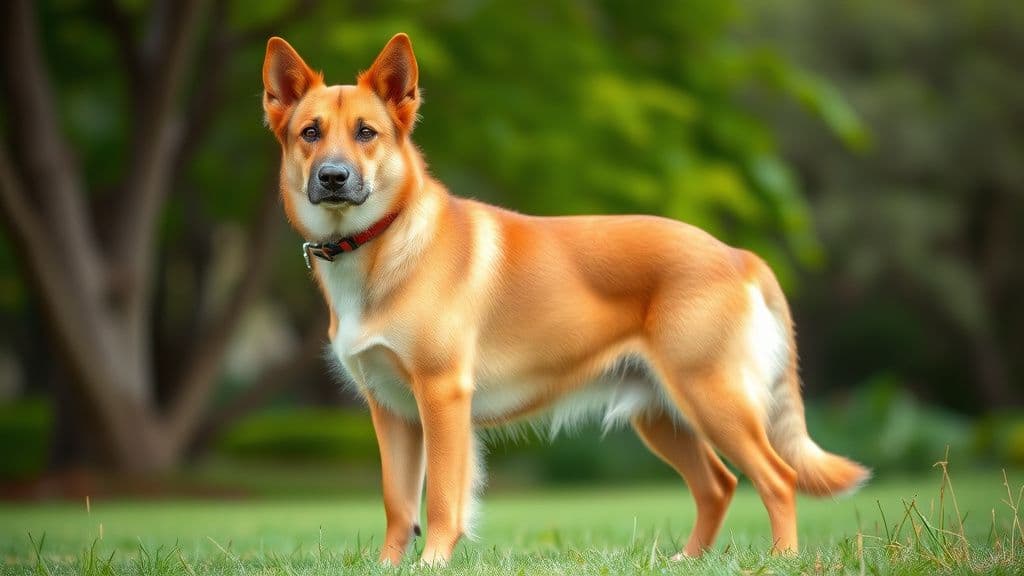
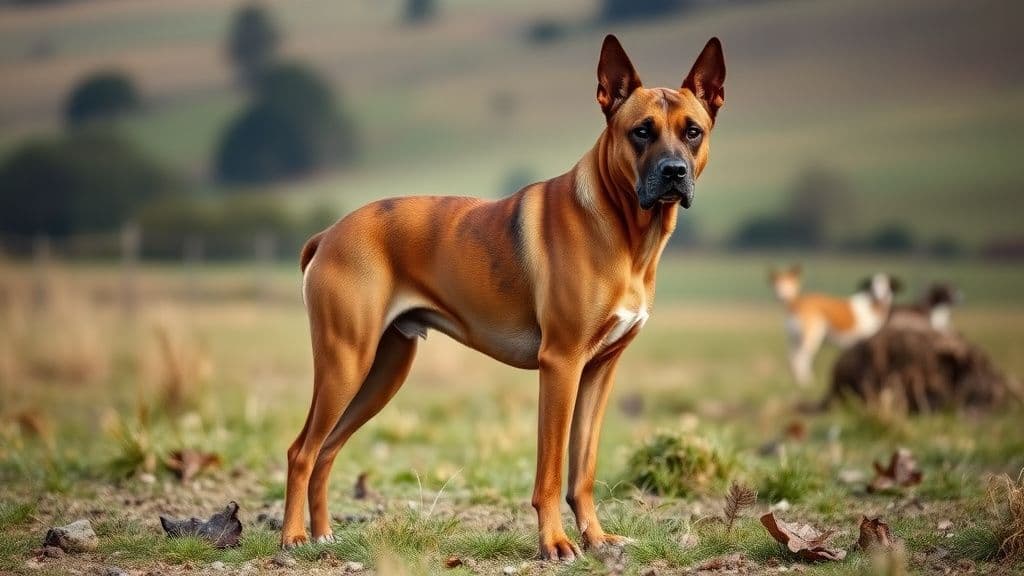
Neapolitan Mastiff Complete Breed Guide

Everything you need to know about the Neapolitan Mastiff: temperament, care, training, and whether this breed is right for your family.
If you've ever been in the presence of a Neapolitan Mastiff, you know it's an experience. This isn't just a dog; it's a monument of wrinkled, drooping skin, profound loyalty, and ancient history. Known affectionately as the "Mastino," this best for large dogs moves with a deliberate, almost rolling gait, its watchful eyes taking in everything. From my work with dozens of mastiff" class="text-yellow-600 hover:text-yellow-700 underline">Neapolitan Mastiffs, I can tell you that their imposing, stately exterior is a fascinating contrast to the sweet, placid companion that emerges within the safety of their family circle. They are living relics, guardians by design, and gentle giants at heart, making them one of the most distinctive and devoted breeds you could welcome into your home.
Breed Overview
Let's start by getting a clear picture of what a Neapolitan mastiff is all about. This is a breed of extremes and profound character.
Temperament: The research is unanimous on their core personality. The Neapolitan Mastiff is calm and watchful, with a laid-back temperament that can be surprisingly low energy for such a large dog. They are docile and non-aggressive on the inside, forming deep, steady bonds with their family. With loved ones, they are famously sweet, placid, and steady. However, their history as protectors means they are naturally wary of strangers. This isn't aggression; it's a reserved, observant vigilance. They are the quintessential "gentle giant," but one that commands respect simply by existing. Size and Appearance: This is a giant, powerful, and solidly built dog. Their most iconic features are the profuse wrinkles and folds of loose skin, particularly on the head and neck, and their short coat. According to breed standards, their coats come in blue, black, tawny, or mahogany, and some are brindled. Their tail is characteristically wide, thick, and tapered, and the AKC standard historically calls for it to be docked, though this practice is becoming less common and is banned in many countries. Energy Level: Don't let the massive size fool you into thinking they need a marathon runner's schedule. Your Mastiff will require less exercise than other working breeds. They are content with moderate activity and are often happy to lounge and observe their domain. A common mistake is over-exercising puppies, which can harm their developing joints. Lifespan: As with most giant breeds, their lifespan is shorter than smaller dogs, typically ranging from 7 to 9 years. Their longevity is heavily influenced by responsible breeding for health and dedicated, informed care throughout their lives.History and Origins

The story of the Neapolitan Mastiff is a journey back through millennia. The ancestors of these dogs date back thousands of years to the formidable molosser dogs of ancient Rome, prized as fearless protectors, estate guardians, and war dogs.
These ancient canines were spread throughout the Roman Empire, and in the isolated region of Campania in Italy, they evolved into the distinct breed we recognize today. For centuries, they were the steadfast guardians of Italian estates and farms, their intimidating presence alone often enough to deter any threat. Their unique physical characteristics, the loose skin and wrinkles, were historically believed to offer some protection in combat, allowing them to twist and turn even if grasped.
The modern breed was revived and standardized in the mid-20th century by a group of Italian dog enthusiasts. They sought to preserve the classic, imposing type and the essential temperament: a fearless guardian that was nonetheless a reliable and calm companion at home. This deep-rooted history as a protector is etched into every line of their face and every cautious glance they give a stranger, making them a truly living piece of canine history.
Care and Grooming

Caring for a Neapolitan Mastiff is a commitment that revolves around their unique physiology. That magnificent, wrinkled skin requires specific attention.
Grooming the Skin and Coat: Their short coat is easy to brush, but the real focus is on the folds. The drooping skin that creates their classic look can trap moisture, dirt, and bacteria, leading to skin infections and irritation. I make it a habit to gently check and wipe my clients' Mastino's deep facial wrinkles and neck folds every other day with a soft, damp cloth, ensuring they are thoroughly dried afterward. This simple routine prevents most common skin issues.Ears also need regular care. As the breed club notes, ears must be kept clean and healthy. Use a small piece of cotton to carefully wipe out the folds of the ear to remove dust and excess wax. Be alert for any offensive smell or a dry, bloody deposit, as these are signs of infection requiring a vet visit.
General Care: Start with a reputable breeder who provides a health history. As noted in the research, when you buy your Neapolitan Mastiff, the breeder should have provided you with the last time it was wormed and the treatment used. Establishing a relationship with a vet experienced with giant breeds is crucial. Their deep-set eyes can be prone to issues like entropion, and their large frame makes them susceptible to joint problems, so preventative care is key.Training and Exercise
Training a Neapolitan Mastiff is less about teaching tricks and more about establishing a respectful, trusting leadership. They are intelligent but can be stubborn, with a mind of their own.
Training Philosophy: Remember, a dog is a pack animal. Your Neapolitan Mastiff must understand that you are the calm, confident leader of the pack. This isn't achieved through harshness, but through consistent, firm, and fair guidance. The US Neapolitan Mastiff Club advises starting by calling your breeder for training tips, as a good breeder knows their lines' temperaments. Early, extensive socialization is non-negotiable. Expose your puppy positively to various people, places, sounds, and situations to build their confidence and ensure their natural wariness doesn't develop into fearfulness. dog walking calculator: Their exercise requirements are manageable. Thirty to forty-five minutes per day of moderate activity is typically sufficient for an adult to keep them happy and healthy. This can be split into two leashed walks and some playtime in a securely fenced yard. As one guide confirms, Neapolitan Mastiffs do not need large amounts of exercise. However, be cautious of inactivity; if allowed to become too sedentary, they may become lazy and obesity can result. Mental stimulation is just as important as physical exercise. Puzzle toys, scent games, and short training sessions keep their minds engaged. Family and Children: With proper training and socialization, some Mastini can be loving with children in their own family. However, this is a massive, powerful dog. Children must be taught to respect the dog and never tease or provoke it. All interactions should be supervised, and friends need to be properly introduced. Their sheer size means they can accidentally knock over a small child during play.Health Considerations
Being informed about the potential health challenges of the Neapolitan Mastiff is a critical part of responsible ownership. They are generally hardy but prone to certain conditions common to giant and brachycephalic (short-faced) breeds.
The most prominent concerns stem from their conformation. The profuse wrinkles require diligent care to prevent painful skin fold dermatitis. Their wilting eyelids (ectropion) and deep-set eyes make them more at risk of eye injuries and infections like cherry eye. They are also susceptible to hip and elbow dysplasia, heart conditions, and bloat (gastric dilatation-volvulus), a life-threatening emergency where the stomach twists.
Vigilance is your best tool. As the research emphasizes, responsible ownership involves staying vigilant, providing proper care, and seeking prompt veterinary attention when needed. Watch for any change in behavior, mobility issues, or signs of infection in the skin folds. Feeding a top quality, appropriate diet for giant breed growth (for puppies) and maintenance (for adults), providing joint supplements as recommended by your vet, and preventing rapid eating to reduce bloat risk are all proactive steps you can take. Communication with your breeder and a trusted veterinarian is crucial for maintaining the health and longevity of this majestic breed.
Is the Neapolitan Mastiff Right for You?
This isn't a breed for everyone. Bringing a Neapolitan Mastiff into your life is a major decision. Ask yourself these questions:
* Do you have space? They are giant dogs and do best in homes with space to move around comfortably, though they are not overly active indoors.
* Can you handle the grooming? Are you prepared for a daily or every-other-day routine of checking and cleaning those iconic wrinkles?
* Are you an experienced dog owner? Their size, strength, and independent streak demand an owner who can provide firm, consistent leadership without being harsh.
* Is your lifestyle suitable? They thrive as homebodies and family companions. They are not well suited to dog parks or highly social, bustling environments.
* Can you afford it? Everything is bigger with a giant breed: food costs, veterinary bills, medications, beds, and crates.
If you answered yes, and you desire a loyal, calm, awe-inspiring guardian that will be utterly devoted to your family, then the Neapolitan Mastiff could be your perfect match. They offer a unique blend of serene companionship and formidable presence.
Final Thoughts
Living with a Neapolitan Mastiff is a profound experience. It's about sharing your home with a piece of living history, a creature of quiet dignity and immense love. They don't just guard your home; they guard your heart. Their loyalty is as deep as their wrinkles, and their peaceful presence is a constant, comforting force.
If you're ready for the commitment, the grooming, the training, the sheer responsibility of a giant breed, you will be rewarded with a companion like no other. For more insights into living happily with large breeds, from nutrition to enrichment ideas, explore our other resources at Best Dog Box. And if you're seriously considering this noble breed, my strongest advice is to connect with the national breed club and dedicated, ethical breeders who health-test their dogs and are passionate about preserving the true, steady temperament of the magnificent Neapolitan Mastiff.
Recommended Products



Find the Perfect Box for Your Dog
Compare top-rated dog subscription boxes and find the best fit for your pup.
Compare Boxes