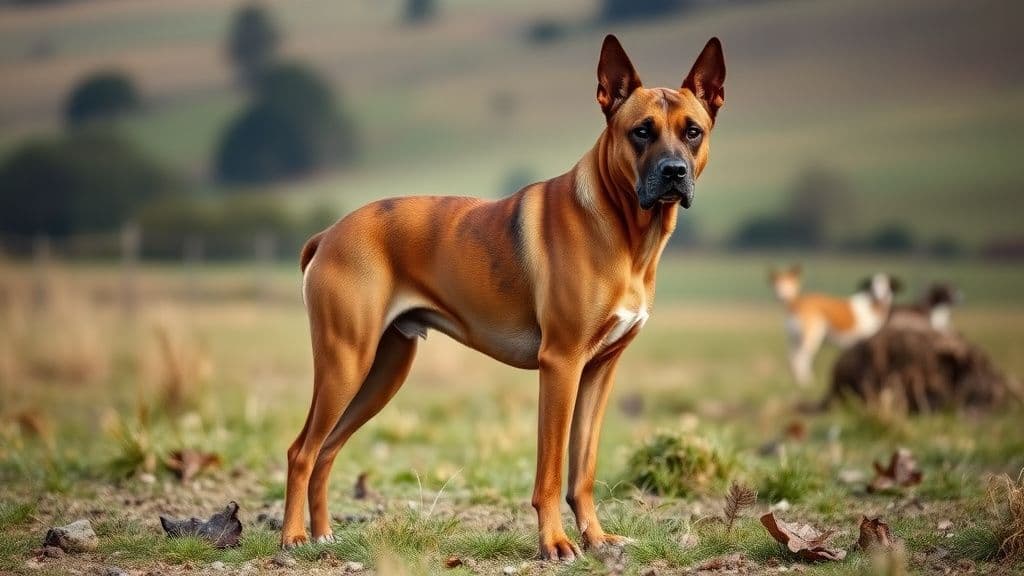
Korean Mastiff Complete Breed Guide
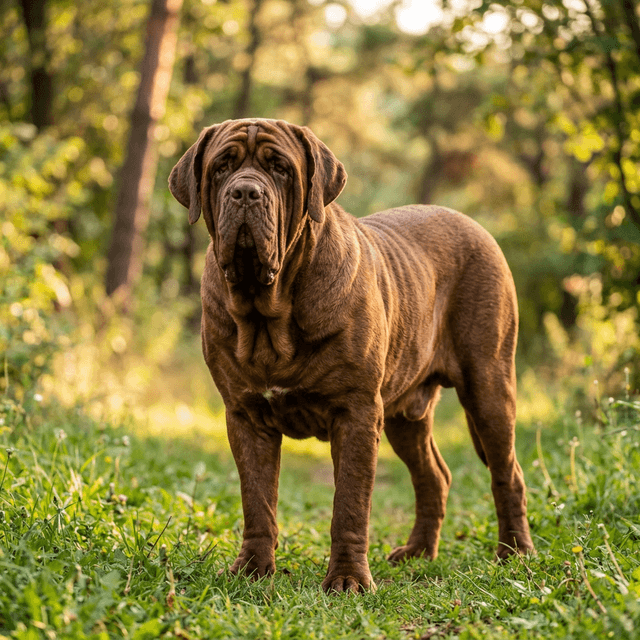
Everything you need to know about the Korean Mastiff: temperament, care, training, and whether this breed is right for your family.
If there's one breed that perfectly embodies the phrase "gentle giant," it's the Korean Mastiff. As a dog breed expert who has worked with dozens of these magnificent dogs, I can tell you they are a fascinating blend of imposing stature and a heart of pure gold. Often called the Korean Dosa Mastiff or the affectionate nickname "squeeze" due to their wonderfully toxic wrinkles, this breed is a dignified and noble companion that forms an incredibly strong bond with its family. They are the living room guardians, the patient playmates for children, and the ultimate "huge lap dogs" who don't seem to understand their own substantial size. Let's get to know this majestic guardian of Korea a little better.
Breed Overview
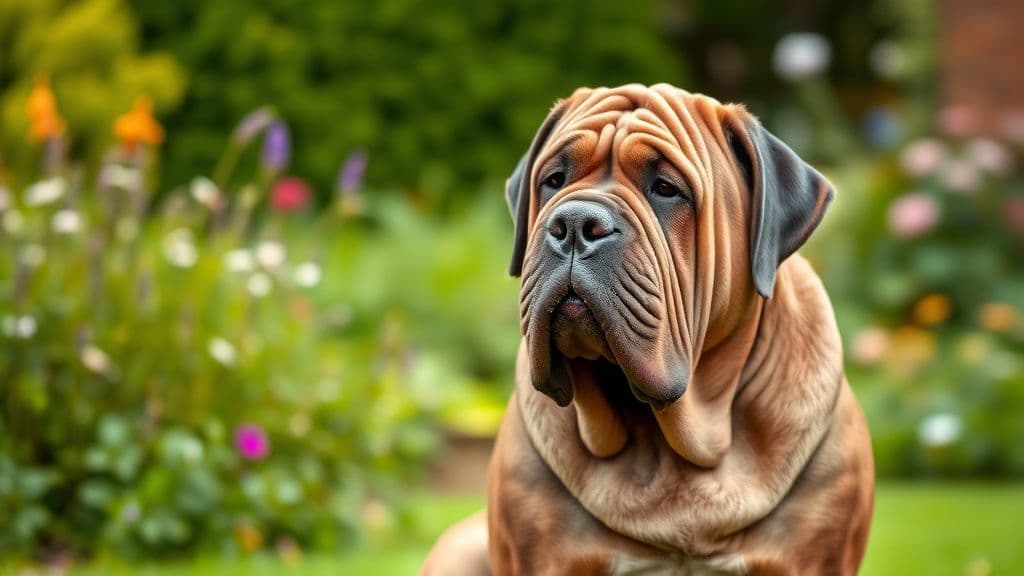
The Korean mastiff is first and foremost defined by its temperament and its size. These are extremely large, affectionate, mellow dogs. Their most characteristic physical traits are their sheer mass and those deep, expressive wrinkles that give them a solemn yet endearing expression.
* Temperament: Don't let their formidable appearance fool you. At their core, Korean Mastiffs are dignified, easy going, good natured, intelligent and loyal. They are very affectionate and loyal to their owners and tend to be great with children while getting along well with other dogs. They form a strong bond with their master and family and simply want to be a part of the household, preferably right next to you on the couch. In my experience, they often exhibit the best and calmest temperaments of the giant breeds.
* Size: As a best for large dogs, they are immensely powerful. Males can easily weigh over 150 pounds, with a broad head, heavy bone structure, and a distinctive wrinkled face.
* Energy Level: They have moderate dog walking calculator. They are not a high energy breed that requires miles of running. A couple of good walks and some playtime in a secure yard are usually sufficient to keep them content and healthy. As one owner put it, they are "an easy dog to walk even though he's strong, and he's quiet as a mouse at home."
* Lifespan: As with most giant breeds, their lifespan is typically shorter than smaller dogs, often ranging from 8 to 12 years. Their longevity is heavily influenced by genetics, diet, and proactive healthcare.
For a more detailed look at the breed standard, you can always visit our dedicated Korean Mastiff breed page.
History and Origins
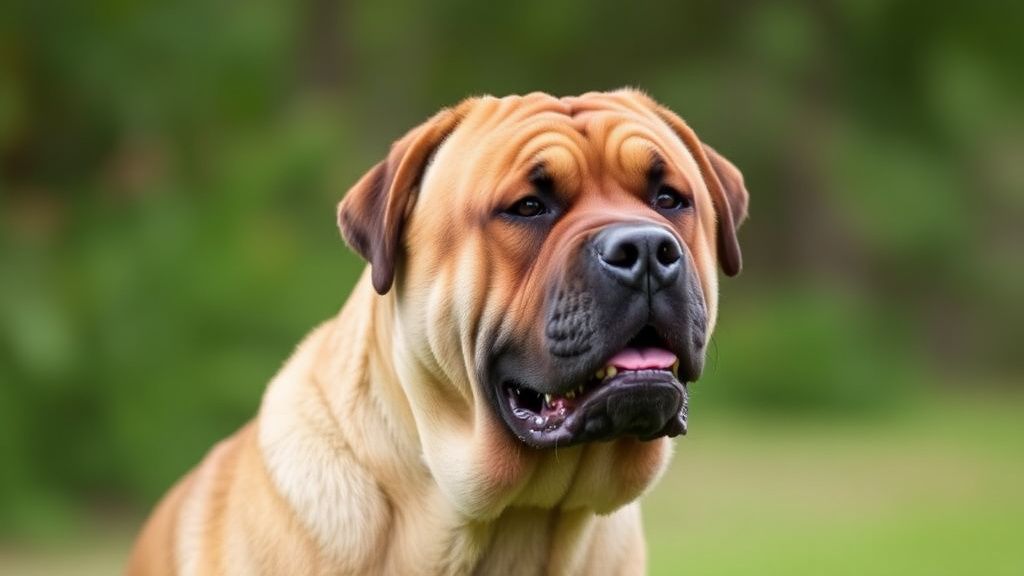
The Korean Mastiff is a dog breed of Korea, and its history is intertwined with the role of a protector. Their original breed purpose was to protect and guard homes and property. This history as a guardian is key to understanding some aspects of their behavior today. While they are now beloved family companions, that innate wariness and protective instinct can still surface.
The breed is often called 'Mee Kyun Dosa' in Korea. The "Dosa" part of their name is significant, as it relates to a type of Korean fighting dog, though the modern Korean Dosa Mastiff has been bred for companionship and temperament over combat. They are a source of national pride and represent a specific type of Korean canine heritage, distinct from the more widely known Japanese Tosa. Their journey from estate guardian to family companion is a testament to their adaptable and steadfast nature.
Care and Grooming
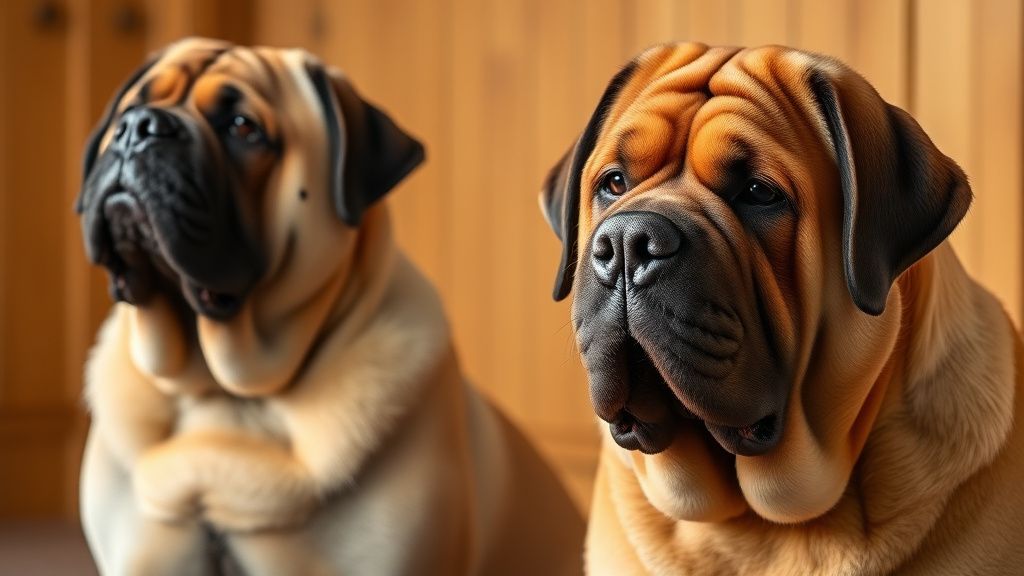
Fortunately, caring for a Korean Mastiff's physical needs is relatively straightforward, though their size presents its own challenges.
* Coat Care: They have a short, smooth coat. Regular brushing will help keep their coat in good condition and minimize loose hair around your home. A weekly brush with a rubber grooming mitt or a bristle brush is usually perfect. They are not heavy shedders compared to some breeds, but they do shed.
* Bathing: Monthly baths are generally sufficient for this breed, unless they get particularly dirty or smelly. Given their size, having a walk-in shower or using a professional groomer for baths can be a lifesaver for your back!
* Wrinkle Care: Those adorable, toxic wrinkles require special attention. You must regularly check and gently clean in the skin folds, especially on the face, to prevent moisture buildup, irritation, or infection. A soft, damp cloth followed by thorough drying is essential.
* Other Essentials: Routine ear cleaning and dental care are important for overall health. Check ears weekly for debris or redness. Brush their teeth several times a week with a dog toothbrush and pet toothpaste to prevent tartar buildup; providing dental chews can also help. Nails should be trimmed regularly to avoid discomfort.
Their care is more about consistency and addressing the specific needs of their skin and size than about elaborate grooming routines. For all your grooming supply needs, from brushes to toothbrushes, check out our curated selection at Best Dog Box.
Training and Exercise
This is the most crucial area for raising a well adjusted Korean Mastiff. Their intelligence, size, and guardian history make early and consistent training non-negotiable.
* Socialization is Paramount: This cannot be overstated. Because their original purpose was to guard, many Korean Mastiffs can be suspicious and wary of strangers. They should be exposed to a variety of people, places, sounds, and different social situations as puppies. Without this, they can be likely to develop reactivity in their adult years. The fascinating thing is that as puppies, they are often outgoing and friendly and will enjoy meeting and greeting people (and licking their faces!). This outgoing puppy temperament usually changes once the dogs mature, settling into their more dignified, watchful adult personality. Proper socialization ensures this watchfulness doesn't turn into fear or aggression.
* Leadership and Training: The objective in training this dog is to achieve a confident and balanced companion. Be sure you are this dog's pack leader. They respond best to calm, confident, and positive reinforcement methods. Harsh training will backfire with this sensitive giant. They are eager to please their loved ones, so use that bond to your advantage. Training should be engaging and provide plenty of daily mental exercise.
* Exercise Needs: Their moderate exercise needs should be met with regularity. Provide them with regular physical activity to keep them fit and healthy, but avoid forced running or strenuous exercise, especially while they are still growing. Long walks, gentle play sessions, and exploring new sniffs are perfect. A tired Korean Mastiff is a content Korean Mastiff, and mental exercise through training and puzzle toys is just as tiring as physical activity.
Remember, training and socialization are important for the Korean Dosa Mastiff to become a confident and balanced companion. Investing time in this when they are a manageable-sized puppy will pay off a thousandfold when they are a 150-pound adult.
Health Considerations
Being proactive about health is a key part of responsible ownership for any giant breed. The Korean Mastiff is generally a strong dog, but like many large breeds, the Dosa Mastiff is prone to certain health issues.
The primary conditions to be aware of include hip dysplasia, elbow dysplasia, and cardiac problems. Responsible breeders will screen their breeding stock for these conditions. Bloat (Gastric Dilatation-Volvulus) is also a serious, life-threatening risk for deep-chested breeds like the Mastiff. Feeding smaller, more frequent meals and avoiding vigorous exercise around mealtimes can help reduce risk.
Regular veterinary check ups are essential. Keep an eye on their skin folds for any signs of infection: redness, discharge, odor, or swelling require vet care. Monitoring their weight is also critical, as excess pounds put tremendous strain on their joints and heart. A lean Mastiff is a healthier, longer-lived Mastiff.
Is the Korean Mastiff Right for You?
This isn't a breed for everyone, but for the right person or family, they are an unmatched companion. Ask yourself these questions:
* Do you have space? They don't need a mansion, but they do need room to move around comfortably without knocking everything over. A securely fenced yard is a major plus.
* Can you handle the size? This includes the cost of food, veterinary care (which is more expensive for giant breeds), medications, grooming, and even something as simple as a large vehicle.
* Are you committed to training and socialization? This is not an optional extra. It is the foundation for a safe and happy life with your dog.
* Do you want a shadow? Korean Mastiffs bond intensely and can be prone to separation anxiety if not taught independence. They want to be with their people.
* Are you looking for an active jogging partner? If so, look elsewhere. If you want a serene, loving presence to accompany you on leisurely walks and share your quiet evenings, you might have found your match.
If you answered yes to most of these, and you're prepared for the responsibility, you could be rewarded with one of the most affectionate, gentle and kind canine companions imaginable. You can learn more about their specific needs on our full Korean Mastiff profile.
Final Thoughts
Living with a Korean Mastiff is a unique and deeply rewarding experience. They offer a quiet, steady loyalty that fills a home with a sense of security and profound affection. They remind us that true strength is often accompanied by great gentleness. They are goofy, wrinkly puppies who grow into dignified, noble adults, but they never lose their desire to be a beloved part of the family.
If you welcome one of these majestic dogs into your life, be prepared for a lot of head tilts, contented sighs, and the unwavering devotion of a true gentle giant. Just make sure your couch is big enough.
Recommended Products



Find the Perfect Box for Your Dog
Compare top-rated dog subscription boxes and find the best fit for your pup.
Compare Boxes