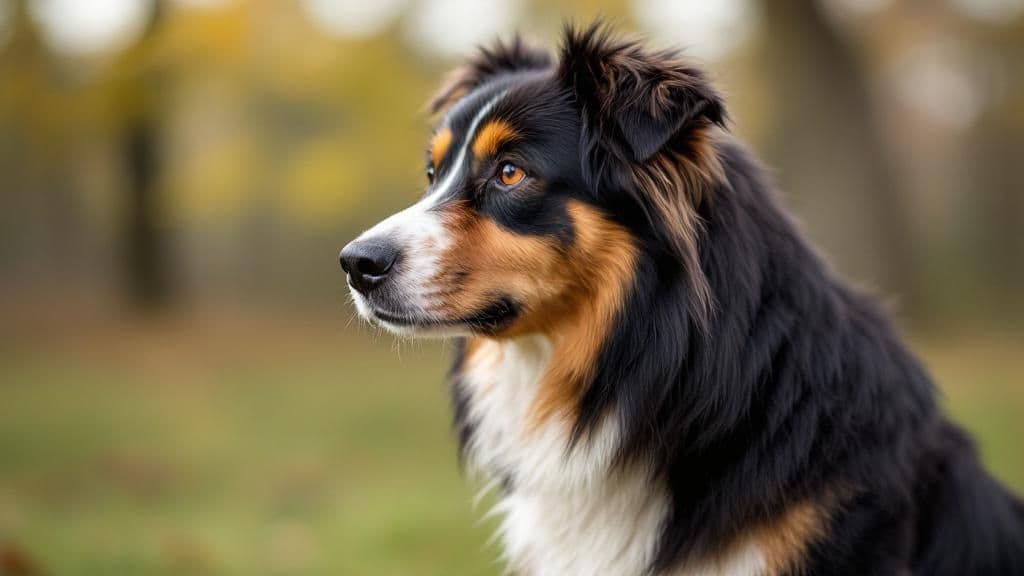
Meet The Rarest Belgian Herder Laekenois
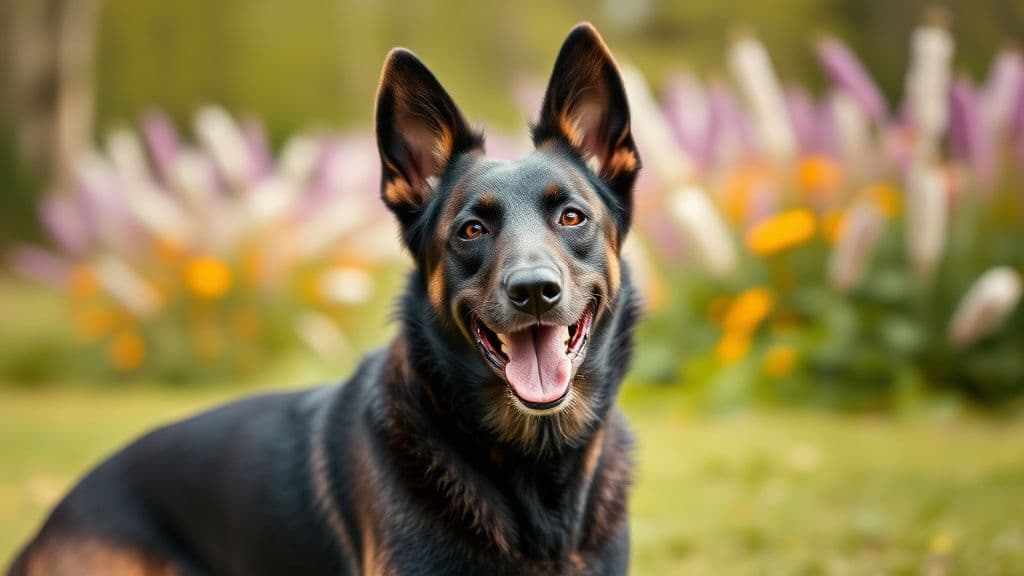
Meet the Laekenois: the rare, wire-coated Belgian herder prized for its keen intelligence and unwavering loyalty.
The Belgian Laekenois is the oldest and rarest of the four Belgian herding breeds. Pronounced "Lak-in-wah," this alert, intelligent, and affectionate dog sports a distinctive wiry coat and was originally bred to guard flocks and fields. It gained full American Kennel Club recognition as a distinct breed in 2020.
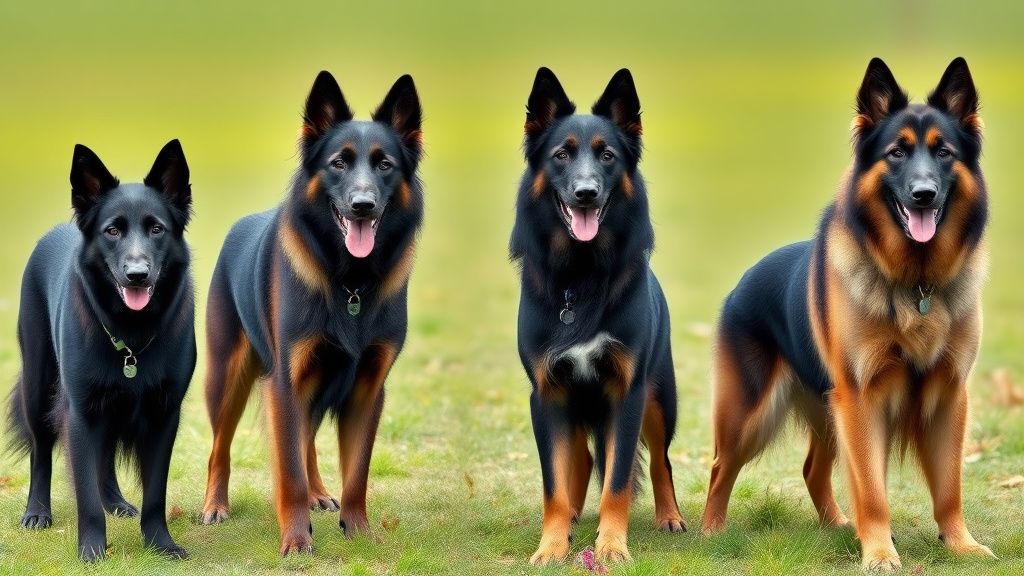
You've likely heard of the Belgian Malinois, the intense working dog often seen in police and military roles. Maybe you're familiar with the elegant, black Belgian Sheepdog (Groenendael) or the majestic Belgian Tervuren. But there's a fourth, shadowy figure in this quartet, a rustic farm dog that has remained Europe's best kept secret for over a century. Meet the Belgian Laekenois, the rarest of the four native Belgian herders. With a tousled, wiry coat and a gaze that seems to assess your very soul, this breed is a living piece of history. I've seen a growing curiosity about these dogs, especially since their official AKC recognition, but finding clear information can be tough. Let's pull back the curtain on this captivating and uncommon shepherd.
What Exactly is a Belgian Laekenois?
To understand the Laekenois, you first need to understand the family it comes from. In the late 1800s, Belgium was home to a variety of medium-sized, square-proportioned herding dogs. A club was formed to standardize them, and initially, they were categorized by coat type and color. This is where things get interesting depending on who you ask. In many parts of the world, including their homeland, they are considered one breed: the Belgian Shepherd Dog, with four varieties. In the United States, however, the American Kennel Club recognizes them as four distinct breeds: the Malinois (short coat), the Tervuren (long coat, fawn/mahogany with black overlay), the Belgian Sheepdog or Groenendael (long black coat), and the Laekenois.
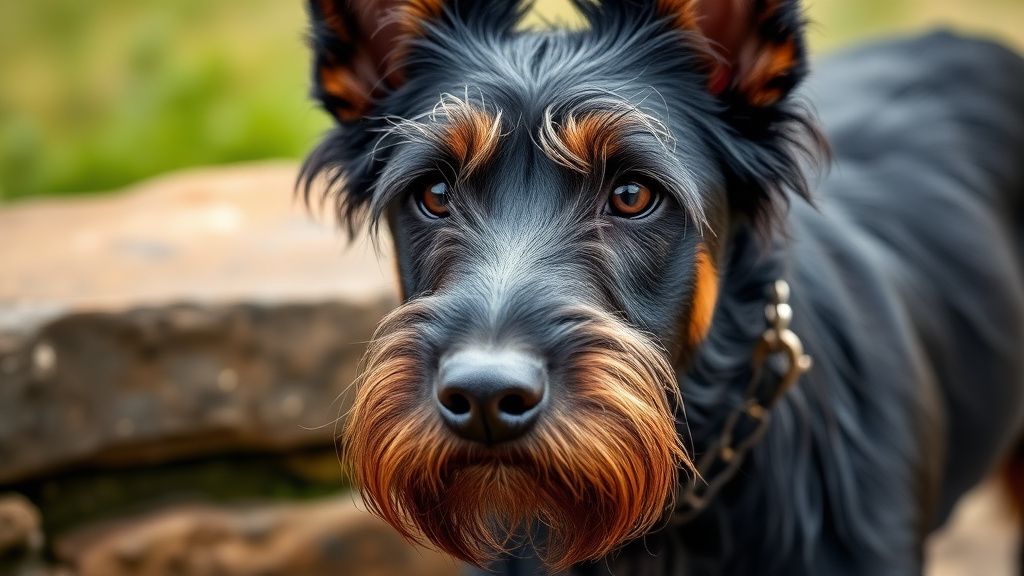
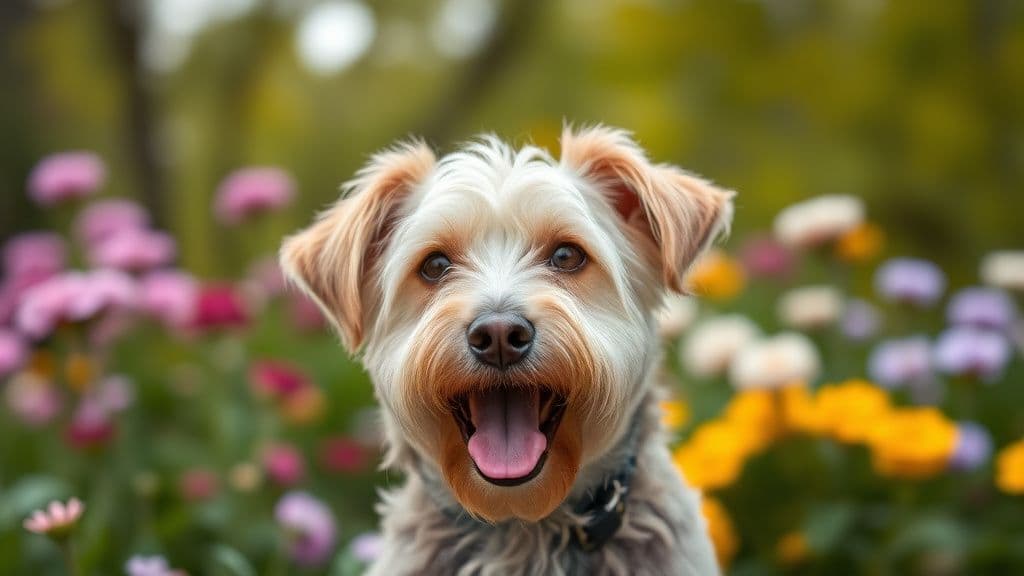
The Laekenois is the outlier. It is considered the oldest and most primitive of the four. Its name comes from the Château de Laeken in Brussels, where these dogs were used to guard linen drying in the fields and were favored by Queen Henrietta of Belgium. While the other three were refined for show and specific work, the Laekenois remained a more diverse, all-purpose farm dog. Its defining feature is its coat: rough, wiry, and tousled, giving it a charmingly disheveled appearance that hides a sturdy, properly balanced athlete. As one Laekenois breeder noted, "They're able to judge someone's character and determine friend from foe quickly." This isn't just a pretty dog; it's a thoughtful, discerning guardian.
What Makes the Laekenois a Unique Companion?
Owning a Laekenois is not like owning a typical pet. This is a dog bred for centuries to think, work, and protect. Their intelligence is profound, but it's paired with a strong sense of independence. They form deep, loyal bonds with their family but can be reserved or aloof with strangers. That initial assessment they make of new people is a key part of their character.
Their energy is boundless. This is not a dog content with a quick stroll around the block. They are strong, agile, and full of life, requiring significant daily physical *and* mental exercise. A bored Laekenois is a recipe for trouble; they will invent their own jobs, which usually involve rearranging your furniture or landscaping your yard. They excel in dog sports like agility, obedience, herding trials, and scent work. Providing a variety of activities is crucial. I often recommend puzzle feeders and rotating a selection of durable, engaging toys to keep their active minds occupied. For high-value training rewards, finding the best dog treats that motivate your particular dog is an adventure in itself.
Their rustic coat, while not as high-maintenance as the long coats of the Tervuren or Sheepdog, does require regular care. It needs brushing a few times a week to prevent matting and hand-stripping a few times a year to maintain its proper texture. That coarse outer coat protects them from the elements, making them quite adaptable to different climates.
What Are the Care Requirements for This Rare Breed?
Caring for a Laekenois is a committed partnership. Their needs are specific and non-negotiable.
Exercise and Mental Stimulation:Think in terms of hours, not minutes. A minimum of 60-90 minutes of vigorous activity daily is a good starting point. This should be a mix:
* Long, brisk walks or hikes where they can explore.
* Off-leash running in a secure area.
* Structured play like fetch or flirt pole work.
* Daily training sessions that challenge their brain. Teach new tricks, practice advanced obedience, or set up mini obstacle courses in your backyard.
Without this outlet, their natural drive will turn inward, leading to anxiety, destructiveness, or excessive barking. If you notice signs of stress from under-stimulation, our dog anxiety guide can offer some initial strategies, but the core solution is more activity.
Training and Socialization:Their intelligence means they learn quickly, but they can also be willful. Training must be consistent, firm, and respectful. Positive reinforcement works best, but you must be confident and clear. They need to know you are a trustworthy leader.
Early, extensive, and ongoing socialization is absolutely critical. Expose a Laekenois puppy to a wide variety of people, places, sounds, and other animals in a positive, controlled way. This helps temper their natural wariness and ensures they grow into a confident, well-adjusted adult. A poorly socialized Laekenois can become overly suspicious or protective.
Nutrition and Grooming:As a high-energy working breed, they need a diet rich in quality protein and fat to fuel their lifestyle. You might consider fresh dog food or freeze-dried dog food for highly digestible, nutrient-dense options. Portion control is important to prevent weight gain, especially if their exercise routine ever dips. Using a dog food delivery service for a consistent supply of a food that works for them can simplify your routine.
Grooming is straightforward but regular. Weekly brushing removes loose hair and dirt. Their coat should feel rough and dry to the touch; over-bathing can soften it. Pay special attention to their ears, keeping them clean and dry, and trim their nails regularly.
What Should You Know About Their Health and Finding One?
The Belgian Laekenois is generally a strong breed, but like all purebred dogs, they can be prone to certain genetic conditions. Being informed is key to proactive care.
Potential Health Considerations:Reputable breeders will screen their breeding stock for common issues. As a prospective owner, you should be aware of the possibilities and ask breeders for health clearances.
* Hip and Elbow Dysplasia: A malformation of the joints that can lead to arthritis and pain.
* Eye Problems: Including progressive retinal atrophy (PRA) and cataracts.
* Skin Allergies: Some lines may be prone to allergies that manifest as itchy skin.
* Heart Disease: Certain cardiac conditions can occur in the breed.
"Regular veterinary care and a healthy lifestyle help ensure a long, active life," as one source notes. This means annual check-ups, maintaining a healthy weight, and staying on top of dental care. A subscription to a service like a dog subscription box can be a fun way to ensure you always have new health and wellness products on hand, from dental chews to grooming tools.
The Challenge of Finding a Laekenois:This is the rarest of the four Belgian breeds. They are not a dog you will find in a shelter or through a casual online ad. Acquiring a Laekenois puppy requires patience, research, and often being placed on a waiting list.
1. Find a Reputable Breeder: Connect with the American Belgian Laekenois Association (ABLA). Attend dog shows to meet breeders and dogs in person. A good breeder will interview you as thoroughly as you interview them. They will provide health clearances for the puppy's parents, offer a contract, and be a lifelong resource.
2. Be Prepared to Wait: Litters are infrequent. You may wait a year or more for a puppy.
3. Consider an Adult Dog: Occasionally, breeders or breed rescues may have young adult dogs available. This can be a wonderful way to welcome a Laekenois into your home, often with a clearer sense of their adult temperament.
Final Thoughts
The Belgian Laekenois is not for everyone. They are a demanding, high-octane breed that requires an owner who understands and can channel their deep-seated drives. They are a project, a passion, and a full-time commitment. But for the right person or family, someone active, experienced with intelligent working dogs, and seeking a profoundly loyal and capable partner, the Laekenois offers a unique and rewarding relationship.
You won't just own a Laekenois; you'll earn its respect and partnership. You'll be rewarded with a dog of unwavering loyalty, formidable intelligence, and a rugged, old-world charm that is utterly captivating. If your lifestyle is an adventure, this rare gem from the fields of Belgium might just be the companion you've been searching for. Do your homework, be brutally honest about your capabilities, and if you decide to move forward, prepare for one of the most enriching journeys the dog world has to offer.
Find the Perfect Box for Your Dog
Compare top-rated dog subscription boxes and find the best fit for your pup.
Compare Boxes