Your Dog's Pre Move Safe Room Strategy
Create a safe room for your dog on moving day to minimize chaos and keep them calm and secure.
The pre move safe room strategy involves creating a quiet, secure space for your dog in both your old and new home during a move. Confine your dog with their crate, bed, and favorite toys away from the chaos of movers and packing. This dedicated sanctuary provides a critical anchor of familiar smells and routines, significantly reducing their stress and preventing escapes during the transition.
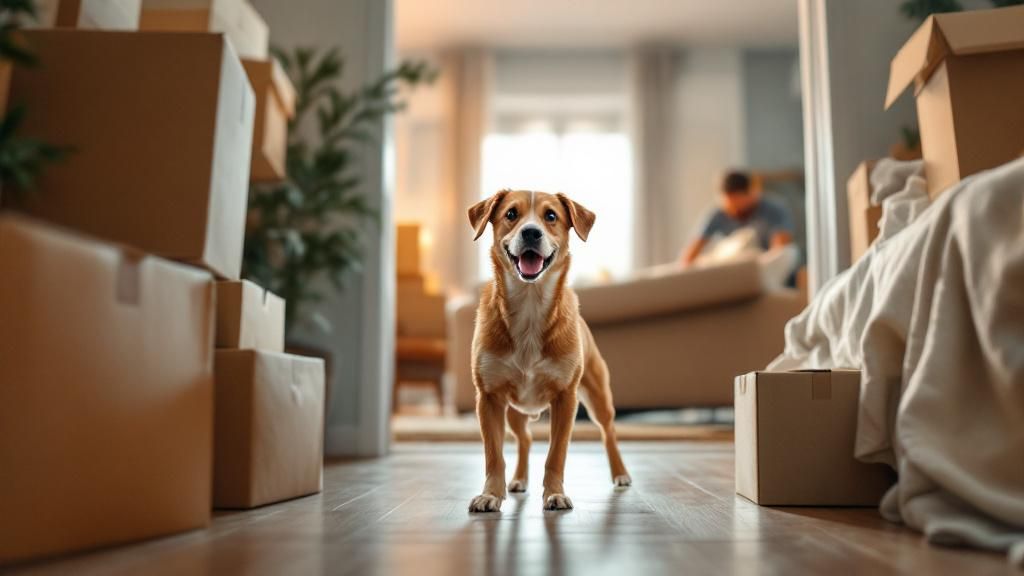
Moving day is a whirlwind of boxes, strangers, and upheaval. For us, it's organized chaos with a light at the end of the tunnel. For our dogs, it can feel like their entire world is being dismantled piece by piece. The familiar couch vanishes, their favorite nook by the window is now a stack of cardboard, and strange people are carrying everything away. This disruption is a major source of anxiety for our canine companions. I have seen even the most easygoing dogs become stressed, hiding or trying to bolt out an open door during a move. But what if you could give your dog a portable piece of home, a steady safe haven amidst the storm? That's exactly what the pre move safe room strategy is all about. It is not about hiding your dog away and forgetting them. It is a deliberate, compassionate plan to manage their environment and provide profound comfort during one of life's most disruptive events. Based on expert advice from veterinarians and pet relocation specialists, this method is your blueprint for a calmer move for everyone, especially your four legged family member.
Why a "Safe Room" is Your Most Important Moving Box
Think about your dog's primary senses. They experience the world through smell and routine. When you start packing, you are essentially erasing their scent map from your home. Furniture moves, closets empty, and the comforting aroma of "home" is replaced by cardboard and dust. This is deeply unsettling. A safe room counters this directly. By placing their most familiar items in one undisturbed space, you preserve a core sanctuary of normalcy. The research from Fear Free Happy Homes and moving experts consistently highlights confinement as the number one safety measure. It prevents escapes through doors held open by movers, stops your dog from getting underfoot, and shields them from the loud noises and unusual activity. This room becomes their command center, a place where the move is happening *around* them, not *to* them. It is a simple concept with powerful psychological benefits, creating a predictable bubble in a sea of change.
Setting Up the Safe Room in Your Old Home
Your first safe room is established in the house you are leaving. This is your dog's base camp for packing day and moving day itself. The goal is to choose and prepare this space before the real chaos begins.
Choosing the Right RoomSelect a quiet area away from the main traffic flow of the move. A spare bedroom, a bathroom, or a laundry room are perfect candidates, as suggested by resources from Chewy and Jet Pet Resort. The room should have a door you can close securely. Avoid rooms that movers will need to access frequently, like the kitchen or living room. If possible, pick a room your dog already likes and spends time in.
What Goes Inside the Safe Room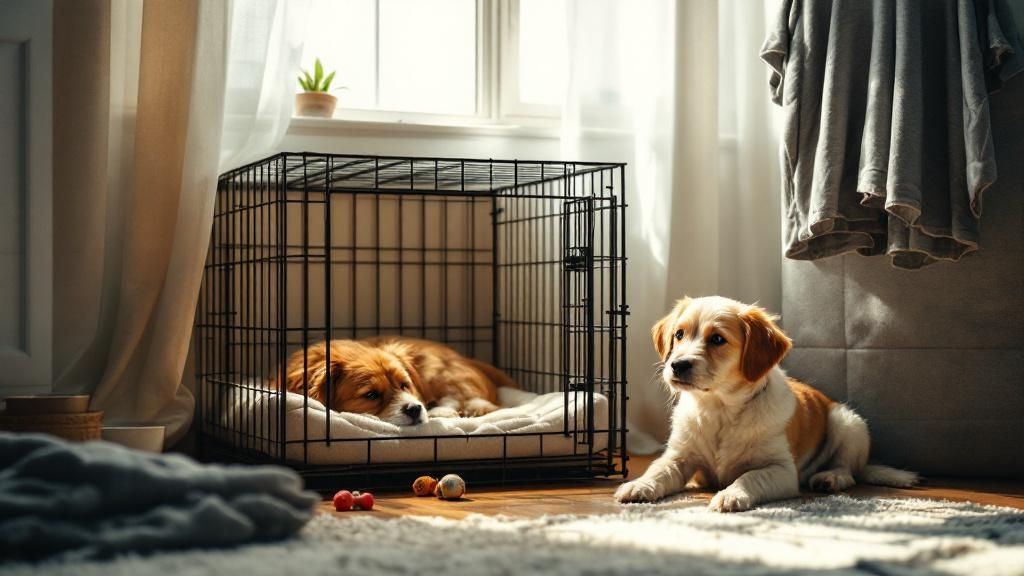
This room is not an empty timeout space. It is a curated zone of comfort. Move these items in well before the movers arrive:
* Their crate or kennel, with the door secured open or removed so it's a cozy den, not a locked cage.
* Their familiar bed and blankets.
* A selection of favorite toys, especially a comforting chew toy or a puzzle feeder.
* A bowl of fresh water.
* A bowl for food, if you will be feeding them there.
* An item of your worn clothing, like an old t shirt, for your scent.
I recommend using a dog best dog subscription boxes toy or treat they love, as its novelty and familiarity can be a great distraction. The wrestlingac.com guide emphasizes that this small territory becomes an anchor, and these items are what build it.
Executing the Plan on Moving DayOn the big day, bring your dog to their safe room early, with a special treat or a stuffed Kong. Give them a calm, reassuring pat, then close the door. Post a clear sign on the door that says "DOG INSIDE - DO NOT ENTER" to alert movers. Throughout the day, take breaks to visit them. Sit quietly with them, offer some water, or have a short, calm cuddle session. These check ins reassure your dog they have not been abandoned. The Jack Cooper article presents an interesting alternative if a full safe room is not possible: putting your dog in the car mid move, before the house is completely empty, so they can observe the process. This can work for some dogs but assess your own dog's temperament. For most, a quiet, isolated room is the less stressful option.
The Transition and the New Home Safe Room
The journey between homes is a critical phase. Whether it is a short drive or a long trip, your dog should be securely crated in the vehicle. Upon arrival at your new home, do not just open the car door and let them run into the unfamiliar space. This is overwhelming and risky. The team at MoveAdvisor gives excellent advice: if your dog traveled in a carrier, keep them in it until their new safe room is ready. If they did not, keep them on a leash.
Creating Sanctuary in the New SpaceYour very first task upon arrival, even before unpacking the kitchen box, is to set up the new safe room. This is non negotiable. Choose a quiet room again, ideally one with easy to clean floors like a bathroom or laundry room. Bring in the exact same items from the old safe room: their crate, their bed with its familiar smell, their toys, and water. This instant replication of their sanctuary is powerful. Open the carrier or unleash your dog in this room only. Let them investigate this single, safe space. They may stay in their crate for a while, and that is okay. The MoveAdvisor article wisely states, "Let your furry friend stay inside the carrier for as long as they want to. They will venture out when they are ready."
This room is their home base for the first few hours or even days. All initial interactions with the new house should start from this room. Feed them here. Let them sleep here. Use this as the starting point for short, leashed exploration tours of the rest of the house, always returning to the safe room to decompress.
Supporting Your Dog Beyond the Safe Room
The safe room is the cornerstone, but you can build additional layers of support around it.
Maintaining RoutinesDogs thrive on predictability. In the midst of change, cling to their routine as much as possible. Feed them at their usual times. Take walks on their normal schedule, using these outings to explore the new neighborhood together. This consistent rhythm, highlighted in the wrestlingac.com guide, tells your dog that while the scenery has changed, their life with you remains stable.
Using Calming AidsFor dogs who are particularly anxious, talk to your veterinarian ahead of the move. They may recommend a calming supplement. The Fear Free Happy Homes article specifically mentions products like Zylkene, which can be used "during pre move packing, during travel, and during the transition phase of the first days in your new home to help reduce stress." Never administer any supplement or medication without your vet's guidance. Something as simple as a pheromone diffuser plugged into the safe room can also provide subtle comfort.
Patience and Positive AssociationGive your dog time. Let them explore the new home at their own pace. Use positive reinforcement generously. When they show curiosity or calm behavior in a new room, offer praise and a high value treat from your best dog treats stash. Keep their dog food delivery schedule consistent to avoid any gastrointestinal upset from sudden diet changes on top of the move stress. Avoid forcing them into areas where they seem nervous. The safe room is always there for a retreat.
Final Thoughts
Moving with your dog does not have to be a traumatic experience punctuated by stress and worry. By planning ahead and implementing the pre move safe room strategy, you take proactive control of your dog's emotional well being. You transform a potentially scary ordeal into a managed transition. This approach is not about confinement for convenience, it is about creation of comfort for their sake. That quiet room with their own bed and toys is a powerful statement to your dog. It says, "I know this is strange, but you are safe with me. Your home is wherever I am." As you unpack and settle in, you will gradually dissolve the walls of that single room, letting your dog's confidence expand until the entire new house feels like their safe room. And when they finally curl up on their bed in the living room, sighing that contented dog sigh, you will know the strategy worked. You have successfully moved not just your belongings, but your shared heart and home.
Recommended Products



Find the Perfect Box for Your Dog
Compare top-rated dog subscription boxes and find the best fit for your pup.
Compare Boxes