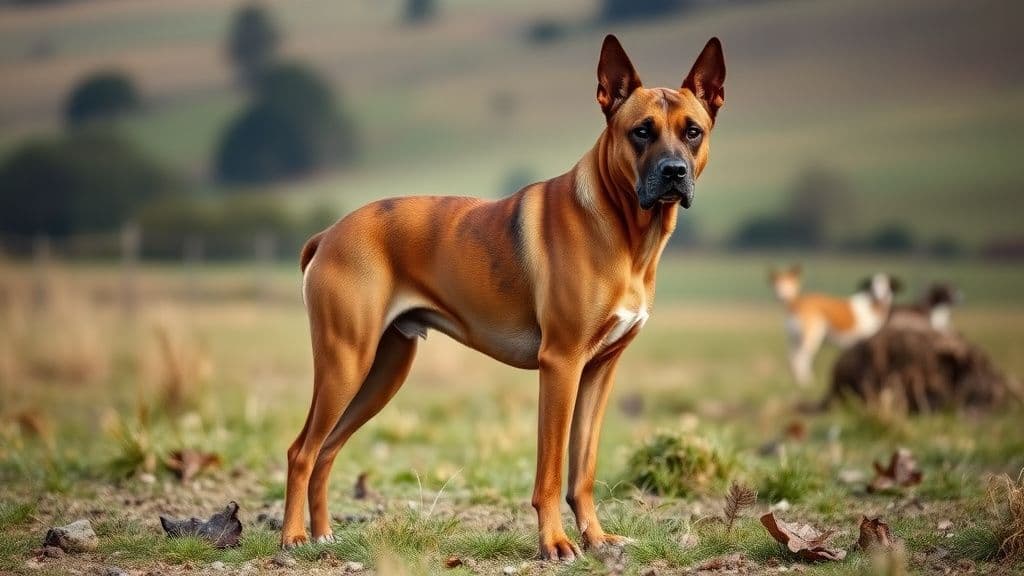
Miniature Pinscher Complete Breed Guide
Everything you need to know about the Miniature Pinscher: temperament, care, training, and whether this breed is right for your family.
The Miniature Pinscher is a fearless, energetic toy breed (8-12 pounds) often called the "King of Toys" — they are NOT miniature Dobermans despite the similar appearance. Min Pins require firm, consistent training due to their strong-willed nature, and their high energy and curiosity make them escape artists who need secure environments.
Ah, the Miniature Pinscher. If you’re looking for a dog that embodies the phrase “big personality in a small package,” you’ve come to the right breed. As someone who has worked with dozens of these spirited little dogs, I can tell you they are never boring. They strut into a room with a confidence that belies their size, earning their regal nickname, the “King of Toys.” But don’t let the “toy” label fool you. This isn’t a lapdog content to nap all day. A Miniature Pinscher is a busy, fearless, and endlessly entertaining companion who will keep you on your toes. Let’s get to know this unique breed.
Breed Overview
The Miniature Pinscher is a true personality dog. They are known for their spirited presence, fearless animation, and complete self possession. Standing only 10 to 12.5 inches tall at the shoulder and weighing a mere 8 to 12 pounds, they are small but mighty.
Their temperament is a fascinating blend of loyalty and independence. They form strong bonds with their families and can be wonderfully affectionate, but they are also proud and have a mind of their own. True to their terrier like heritage, they can be scrappy with other dogs and possess a strong prey drive, enjoying a chance to play vermin hunter. This means squirrels, rabbits, and even the neighbor’s cat might be seen as fair game.
They are incredibly alert and vigilant, making excellent little watchdogs who will sound the alarm at anything unusual. However, this can tip into frequent barking without proper training. Their energy level is high. They are among the most active of toy breeds and require consistent mental and physical stimulation. With proper care, their lifespan is typically 12 to 16 years.
History and Origins
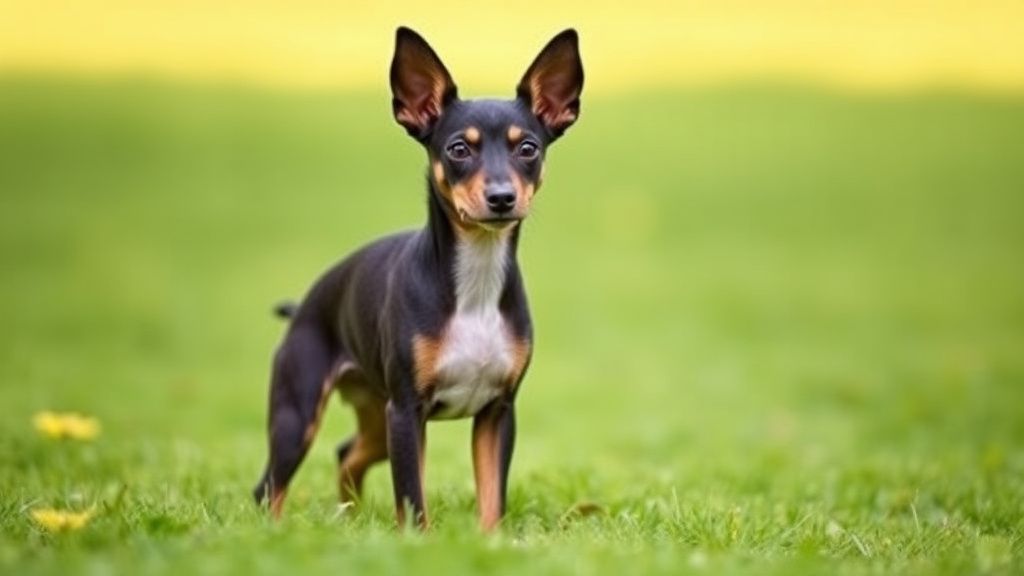
The Miniature Pinscher’s history is a bit shrouded in mystery, but it’s clear they are an old breed with German roots. Contrary to popular belief, they are not a miniature version of the Doberman Pinscher. In fact, the Min Pin breed is actually older. Historians believe the breed likely developed from a mix of smaller German breeds, possibly including the Dachshund for its tenacity and the Italian [Greyhound](/breeds/italian-greyhound) for its sleek build and graceful movement.
They were originally bred as efficient barnyard ratters, a job that explains their fearless nature, high energy, and intense focus on small, fast moving creatures. Their distinctive, high stepping “hackney” gait is reminiscent of a horse’s prance and is a hallmark of the breed, developed to help them navigate rough terrain efficiently. This gait, combined with their lustrous, compact coat and wedge shaped physique, gives them an unmistakable appearance of poised alertness.
Care and Grooming
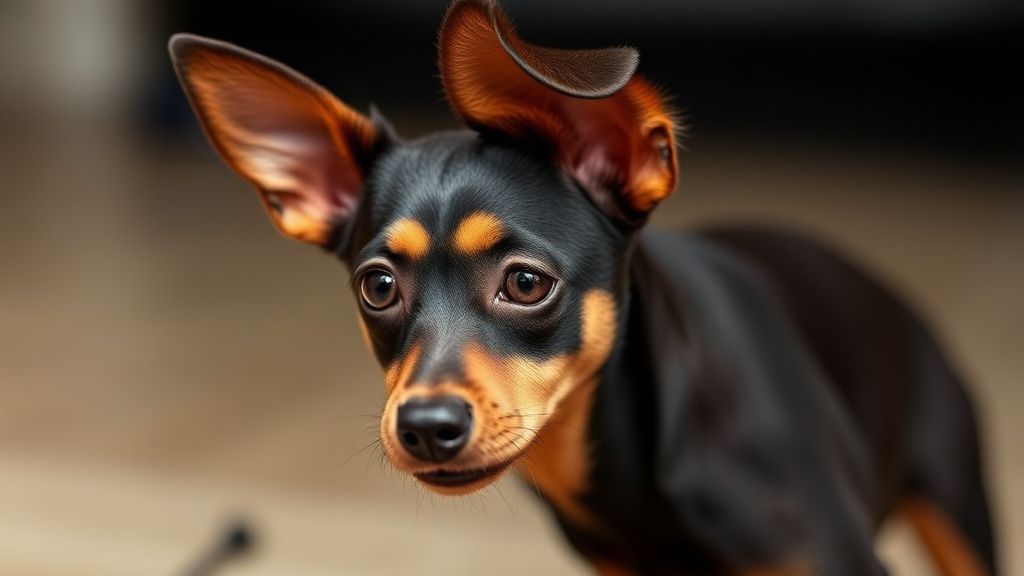
One of the perks of living with a Miniature Pinscher is their relatively low maintenance coat. A quick brush once a week is usually enough to keep their short, smooth coat in top condition and remove loose hair. During your weekly brush, it’s a perfect time to run your hands over their body and check for any bumps, rashes, or inflammation that could indicate a problem.
While coat care is simple, other grooming needs are crucial. Their nails grow quickly and can become uncomfortably long, so trimming every few weeks is a must. Regular ear cleaning and dental care are also important parts of their routine. Baths are only needed occasionally, unless your adventurous Min Pin finds something particularly interesting to roll in.
Their care extends beyond grooming. These are indoor dogs who thrive on being part of the family action. They are sensitive to extreme cold due to their short coat and single digit body fat, so a cozy sweater is a winter essential. Perhaps the most critical aspect of their care is environment. They are agile, curious, and known escape artists. A securely fenced yard is non negotiable, and even then, supervision is key. I’ve seen a determined Min Pin scale a fence that seemed impossibly tall.
Training and Exercise
This is where many owners meet their match. The Miniature Pinscher is intelligent, but they are also independent and can be stubborn. They can be so involved in their own affairs that they ignore your commands. Firm, fair, and incredibly consistent training from day one is essential. Use positive reinforcement like treats and praise, but don’t be wishy washy. They respect confidence.
Socialization is equally important. Expose your Min Pin puppy to a wide variety of people, places, sounds, and other animals in a positive way to help curb their natural wariness and potential scrappiness with other dogs.
Exercise is not optional. This is a high energy breed that needs at least 30 to 60 minutes of activity every day. This isn’t just a leisurely stroll. They thrive on brisk walks, games of fetch, and interactive puzzle toys that challenge their clever minds. Without an outlet for their energy, they will invent their own fun, which usually involves destructive chewing or incessant barking. Remember, a tired Min Pin is a well behaved Min Pin.
Health Considerations
Overall, the Miniature Pinscher is a sturdy and healthy breed, but like all dogs, they can be prone to certain conditions. Responsible breeders screen for genetic issues. Some health concerns to be aware of include patellar luxation (a slipping kneecap), Legg Calvé Perthes disease (a hip joint disorder), and certain eye conditions.
Their small size makes them susceptible to dental problems, so establishing a good teeth cleaning routine early is vital. They can also be prone to obesity if overfed and underexercised. The single most important thing you can do is schedule regular veterinary check ups. Preventative care is the best way to catch any potential issues early and ensure your tiny king lives a long, healthy life. For more tips on keeping your dog happy, check out our resources at Best Dog Box.
Is the Miniature Pinscher Right for You?
So, who is the ideal human for a Miniature Pinscher? This breed is not for everyone. They are best suited for an active person or family who understands and appreciates a dog with a bold, independent spirit. They are not typically recommended for first time dog owners or families with very young children, as their small size and low tolerance for clumsy handling can be a risky mix.
They do well in apartments provided their dog walking calculator are met religiously. They can be possessive of their toys and food, so a home without other small pets might be easier. If you want a shadow that follows your every command, look elsewhere. But if you want a hilarious, brave, and endlessly loyal little character who will make you laugh every single day, and you’re prepared for the commitment of consistent training and ample exercise, the King of Toys might just be your perfect match.
Final Thoughts
Living with a Miniature Pinscher is an experience. It’s watching them patrol the backyard like they own it, prancing with that hilarious hackney gait. It’s the feeling of a warm, compact body curling up next to you on the couch after a long day of adventures. It’s the constant vigilance and the sharp, alert bark that tells you a leaf has dared to fall in the yard. They are not an easy breed, but they are an immensely rewarding one. They teach you about confidence, resilience, and the huge amount of spirit that can be packed into a very small frame. If you’re ready for a lifetime partner who is equal parts clown, guardian, and noble companion, the Miniature Pinscher is waiting to rule your home.
Recommended Products



Find the Perfect Box for Your Dog
Compare top-rated dog subscription boxes and find the best fit for your pup.
Compare Boxes