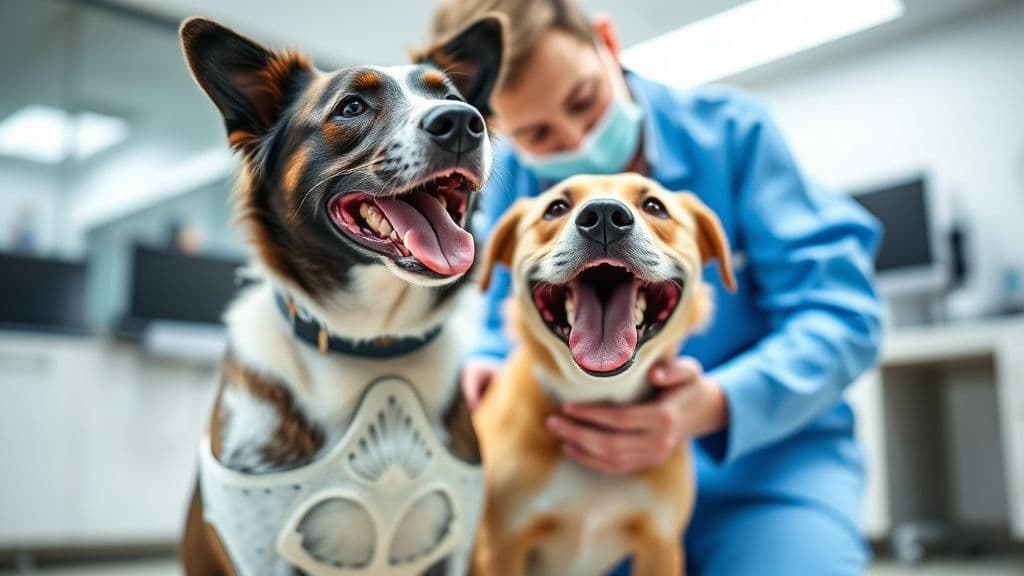
Luxating Patella Surgery Or Conservative Care
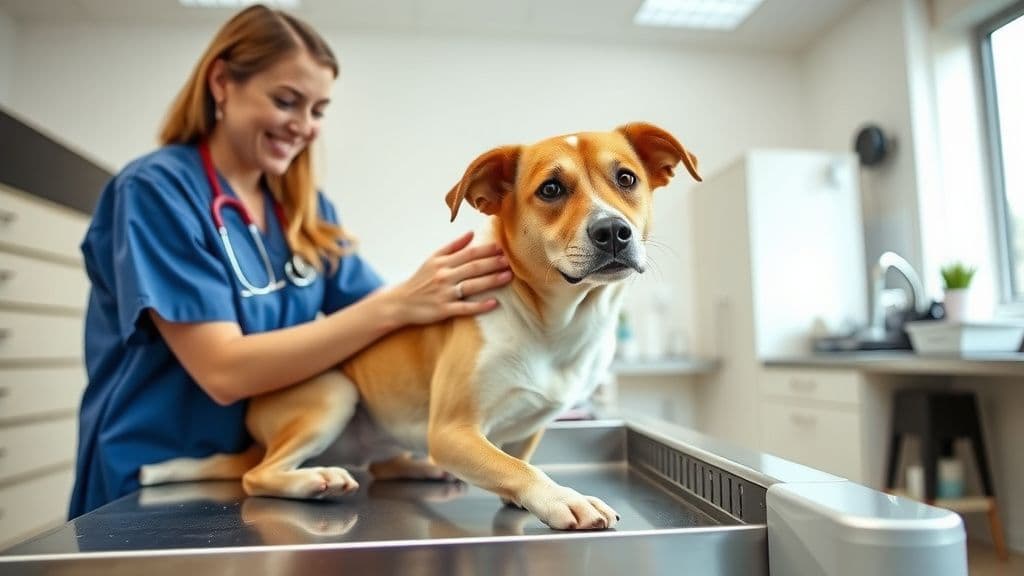
Weighing surgery or conservative care for your dog's luxating patella? Explore the 2026 options.
Surgery is typically recommended for moderate to severe luxating patella cases (grades 2-4), or when a dog has persistent lameness and conservative care fails. For mild cases, especially Grade I and some Grade II with minimal symptoms, non-surgical management is often successful. The decision should be a collaborative one with your veterinarian, focusing on your dog's specific condition and quality of life.
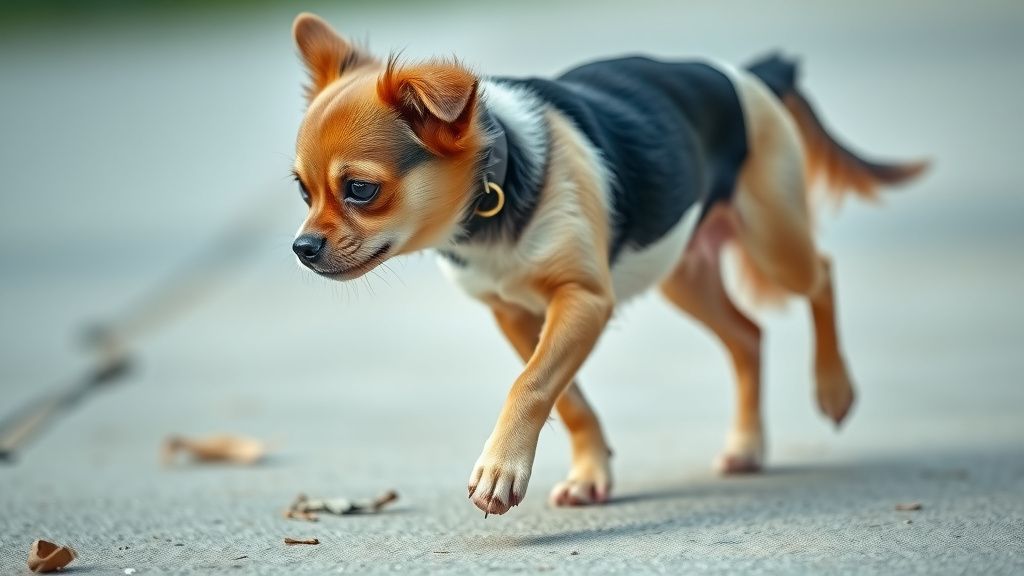 Chihuahua or Pomeranian)" class="w-full rounded-xl shadow-sm" loading="lazy" />
If you've noticed your dog skipping a step or holding up a hind leg for a few strides before seeming perfectly fine again, you might be witnessing a luxating patella in action. That "skipping" is often the kneecap popping out of its groove and then sliding back in. As a dog owner who's spent years in the dog care community, I've seen the worry this causes. The big question quickly becomes: does my dog need surgery? The answer isn't the same for every pup, and the veterinary guidance for 2026 continues to emphasize a tailored, thoughtful approach. This article will break down the latest perspectives on surgery versus conservative treatment, using clear information from veterinary universities and surgical centers, so you can have an informed conversation with your vet.
What is a Luxating Patella and How is it Graded?
To make a good decision, you first need to understand what you're dealing with. A luxating patella is a dislocating kneecap. Normally, the patella sits snugly in a groove at the bottom of the femur (the thigh bone). In dogs with this condition, the groove can be too shallow, or the tendons and muscles that hold the kneecap in place are aligned improperly, causing it to slip out of place, usually toward the inside of the leg (medial patellar luxation).
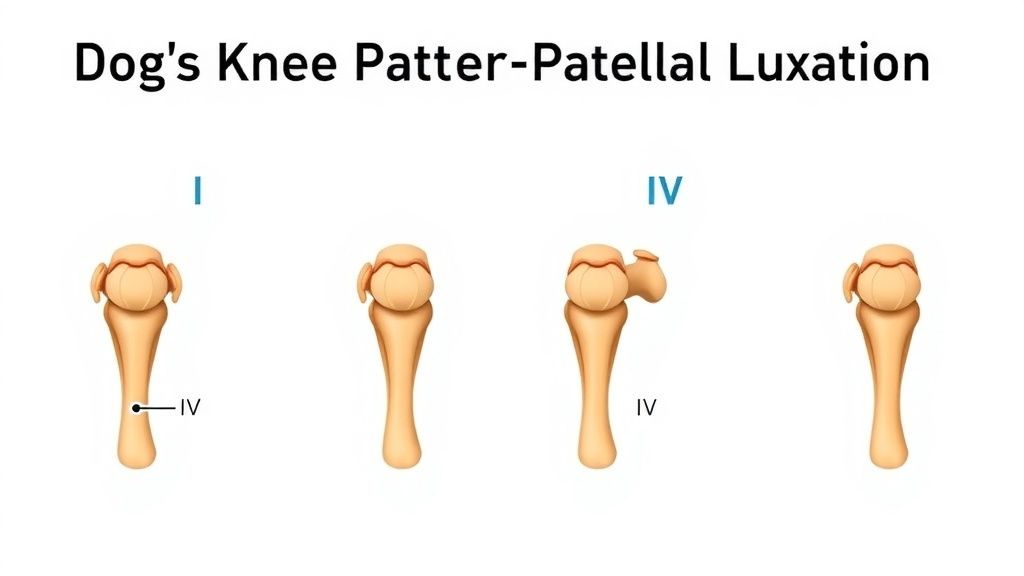
Veterinarians classify the severity using a grading system from I to IV. This grade is one of the most critical factors in determining the treatment path.
* Grade I: The kneecap can be manually pushed out of place but pops right back on its own. Dogs may show only occasional, brief lameness.
* Grade II: The kneecap dislocates on its own more frequently. It may stay out of place until the leg is straightened or manually manipulated back. This is often the "gray area" where treatment decisions become more nuanced.
* Grade III: The kneecap is dislocated most of the time but can be manually pushed back into the groove. It will, however, pop back out once the leg is moved. Lameness is more consistent.
* Grade IV: The kneecap is permanently dislocated and cannot be manually repositioned. The leg is often carried, or the dog walks with a pronounced crouched gait.
According to the Merck Veterinary Manual, surgical intervention is typically the standard recommendation for dogs with moderate to severe grades (2–4), marked lameness, or signs that are getting worse.
When is Conservative Management the Right Choice?
Surgery isn't the first line of defense for every dog. Conservative, or non-surgical, treatment focuses on managing symptoms, strengthening the body, and preventing further joint damage. This path is often a valid and successful strategy for specific cases.
The consensus from sources like Cornell University's College of Veterinary Medicine and Sustainable Vet is that mild cases, particularly Grade I and some Grade II luxations, can often be managed effectively without surgery, especially when symptoms are minimal. The goal here is not to "fix" the anatomical flaw but to support the dog so they live comfortably and actively despite it.
Conservative treatment is a multi-faceted plan that may include:
* Weight Management: This is arguably the most important factor. Extra pounds place immense stress on unstable joints. Keeping your dog at a lean, ideal body weight can dramatically reduce symptoms and slow the progression of arthritis. This might involve carefully measured meals and using healthy best dog treats for training.
* Controlled, Regular Exercise: Think low impact and consistent. Leash walks, swimming, and controlled play are far better than sporadic bursts of high intensity activity like chasing a ball or sudden zoomies in the yard. The aim is to build muscle without jarring the joint.
* Physical Therapy and Rehabilitation: Techniques like hydrotherapy, laser therapy, and specific therapeutic exercises can strengthen the muscles around the knee (particularly the quadriceps) to better stabilize the joint.
* Joint Supplements: Supplements containing glucosamine, chondroitin, and omega-3 fatty acids (like those found in fish oil) can support joint health and provide some anti-inflammatory benefits.
* Anti-inflammatory Medications: Your vet may prescribe NSAIDs or other medications to manage pain and inflammation during flare-ups.
It's crucial to understand that conservative treatment has its limitations. As noted by Broadway Veterinary Hospital, for a dog with a Grade II luxation where the kneecap dislocates frequently, non-surgical methods may not prevent the ongoing instability that leads to joint damage over time.
When is Surgery Typically Recommended?
So, when do the scales tip toward surgery? The research provides clear indicators. Surgery is generally advised for moderate to severe cases, or when conservative care does not relieve a dog's symptoms.
The primary goal of surgery is to correct the underlying anatomy. A veterinary surgeon will deepen the groove in the femur (trochleoplasty), realign the attachment point of the patellar tendon (tibial tuberosity transposition), and sometimes adjust the surrounding soft tissues to keep the kneecap tracking properly. It's a proactive step to restore normal mechanics and prevent the inevitable wear and tear of a misaligned joint.
You and your vet should seriously consider surgery if:
* Your dog has a Grade III or IV luxation. Today's Veterinary Nurse states surgery is usually recommended for these advanced grades.
* Your dog has a Grade II luxation with frequent episodes of lameness or a history of the condition worsening.
* Conservative management has been diligently tried but failed to improve your dog's comfort and mobility.
* Your dog is experiencing persistent or marked lameness that affects their daily happiness.
* Your dog is young and active, and the instability is limiting their quality of life. Left untreated, a luxating patella will damage the cartilage in the knee joint, leading to painful arthritis that can be difficult to manage later on.
Making the Decision: Factors to Weigh With Your Vet
This isn't a decision you make alone after reading a blog. It's a collaborative process with your veterinary team. When you sit down to talk, you'll be weighing a few key factors together.
Your Dog's Individual Presentation: The grade is a guide, but two Grade II dogs can be very different. One might skip once a month, while the other might have a noticeable limp every other day. Your vet will assess your dog's specific pain level, frequency of luxation, and overall joint health. Age, Breed, and Lifestyle: A young, energetic collie" class="text-yellow-600 hover:text-yellow-700 underline">Border Collie with a Grade II luxation has different needs than a senior, sedentary Pomeranian with the same grade. The goal is to match the treatment to the dog's expected activity and longevity. Financial Considerations and Recovery: Surgery is a significant investment. You'll also need to prepare for a strict 8-12 week recovery period involving confinement, controlled leash walks, and physical therapy. This requires a major time commitment. Ask your vet about the practice's specific success rates and what the post-operative protocol looks like. Long Term Outlook: Consider the future with and without surgery. Without intervention, a unstable knee will develop arthritis. With successful surgery, the joint mechanics are corrected, offering a chance at a more normal, active life. Discuss the realistic outcomes for your dog's specific case.During this decision-making period, keeping your dog comfortable is key. A dog anxiety guide can offer tips for soothing a restless pup during restricted activity. You might also find that a dog subscription box provides engaging, low-impact puzzle toys or calming aids to help them through recovery, whether you choose surgery or not.
Final Thoughts
Facing a diagnosis of luxating patella can feel overwhelming, but understanding the clear guidelines from veterinary experts empowers you. For many dogs with mild, infrequent symptoms, a dedicated conservative plan built on weight control, smart exercise, and joint support is a perfectly good path. For others, surgery is the definitive treatment that prevents chronic pain and gives them back their springy step.
Your job is to be the best observer and advocate for your dog. Track their symptoms, ask your vet detailed questions about their grade and joint health, and think honestly about your ability to manage either treatment plan. Whether you're supporting their joints with a premium fresh dog food diet to maintain ideal weight or navigating post-surgical care, the choice you make will be the one that gives your loyal friend the most comfortable, joyful life possible. That's what being the Best Dog Box Team is all about.
Recommended Products



Find the Perfect Box for Your Dog
Compare top-rated dog subscription boxes and find the best fit for your pup.
Compare Boxes