Dog Proof Your Home Room by Room

Secure every room for your pup with this essential checklist to eliminate hazards and create a safe, happy home.
Dog proofing your home involves a room by room safety audit to remove hazards, secure dangerous items, and create boundaries. The most effective method is to get down on your hands and knees to see your space from your dog's perspective, identifying anything they could chew, swallow, climb, or topple. Consistently securing trash, storing chemicals and medications out of reach, and using baby gates are foundational steps for a safe environment.
Bringing a dog into your home is a joyful adventure, but it also means welcoming a curious explorer with a powerful nose and a talent for mischief. Whether you're preparing for a new puppy or reassessing your setup for a seasoned canine, dog proofing is not about creating a sterile fortress. It's about thoughtfully shaping your shared space to be both safe and comfortable. Think of it as setting everyone up for success, preventing accidents before they happen, and saving yourself from chewed-up treasures and stressful vet visits. The goal is a home where your dog can relax and you can have peace of mind.
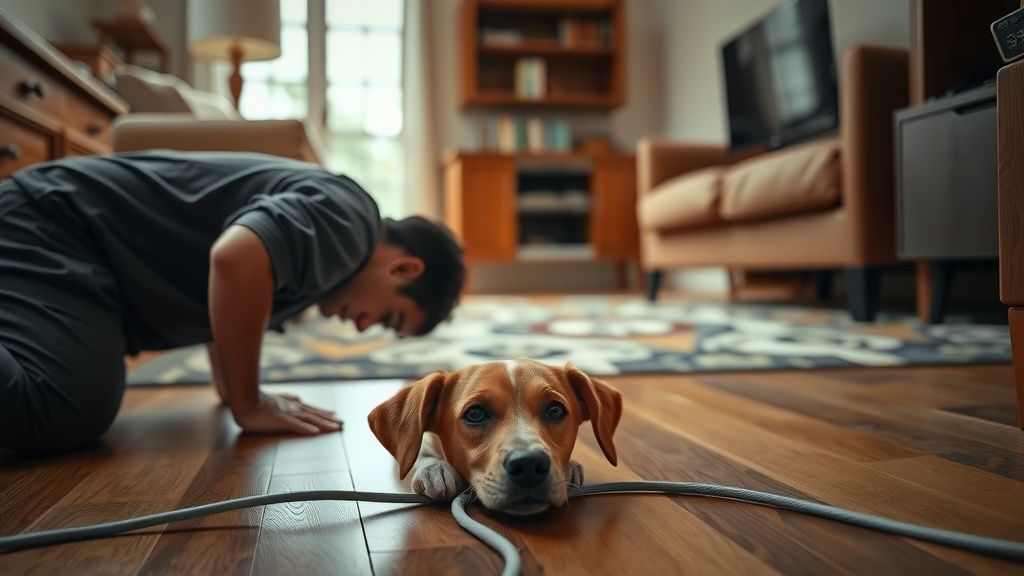
The best place to start, as experts from Fear Free Happy Homes and the American Animal Hospital Association suggest, is to literally get down on your dog's level. Crawl around your living room or kitchen. What do you see? Loose cords dangling from a desk? An enticing fringe on a rug? A forgotten sock under the couch? This simple perspective shift is the most powerful tool in your dog proofing kit. What follows is your detailed, room by room checklist to create a haven for your four legged family member.
The Ultimate Room by Room Dog Proofing Checklist
Start With a Dog's Eye View
Before we tackle each room, let's lock in the core mindset. Your dog experiences your home through scent and exploration. That strong sense of smell, noted by Zoetis Petcare, drives them to investigate every nook and cranny. An item doesn't have to look interesting to you to be irresistible to them. Furthermore, the size of your dog matters immensely. A Great Dane will counter surf with ease, while a Dachshund might find choking hazards under furniture you never considered. Make your initial safety walk a habit, revisiting each room periodically as your dog grows or as seasons change and new items appear.
The Living Room & Common Areas
This is the heart of your home and where your dog likely spends most of their time. It's full of soft surfaces for naps, but also many temptations.
* Electronics & Cords: Secure power strips and bundle loose cords for TVs, lamps, and chargers with cord concealers or simple cable ties. A chewed electrical cord can cause severe burns or electrocution.
* Small Objects & Trinkets: Remotes, pens, children's toys, and game controllers are common chew toys. Make a habit of storing them in drawers or on high shelves. This is where a monthly dog subscription box can be a lifesaver, providing a rotating supply of approved, engaging chew toys to satisfy that need.
* Furniture & Decor: Tuck away curtain cords or use tie backs. Ensure heavy bookshelves or TVs are anchored to the wall so an excited bump doesn't send them toppling. Consider washable slipcovers for your favorite sofa.
* Plants: Many common houseplants are toxic to dogs. Research every plant in your home and either relocate toxic varieties completely out of reach or replace them with pet safe options like spider plants or Boston ferns.
* Cozy Hazards: As Kinship points out, loose socks can be a real hazard for dogs who eat everything. Be diligent about keeping laundry picked up, and check under cushions and furniture for stray items.
The Kitchen & Dining Room
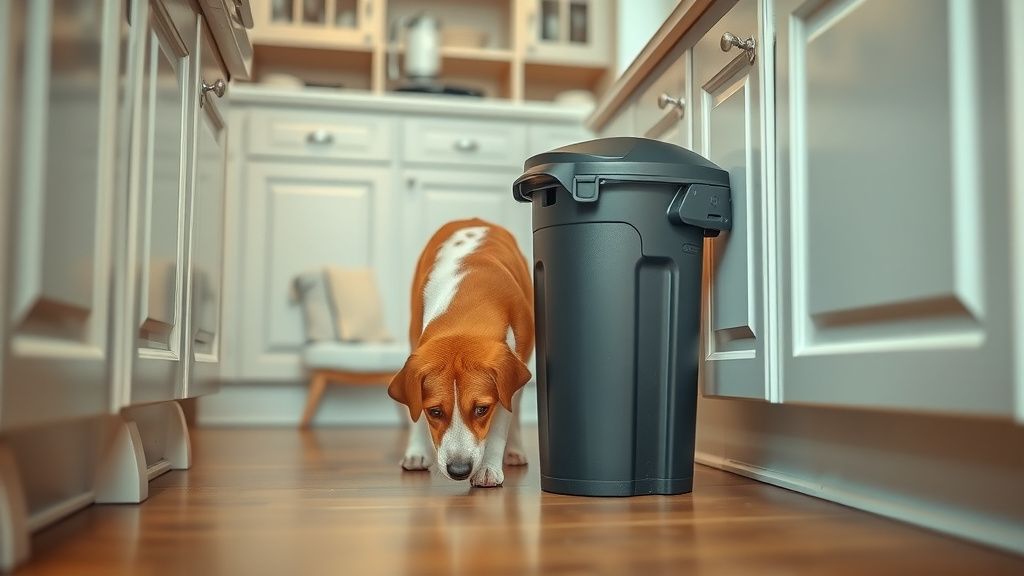
The kitchen is a treasure trove of fascinating smells, which also makes it a high risk zone. It's a room that requires diligent habits.
* Trash & Recycling: This is priority number one. Use a trash can with a secure, locking lid or store it inside a latched cabinet. The smell of food waste is an irresistible lure.
* Counter Surfing: Never leave food unattended on counters or the dining table. This includes bread in bags, fruit in bowls, and leftovers. Not only does this prevent theft, but it also keeps dangerous foods like chocolate, grapes, and xylitol sweetened items out of paw's reach.
* Cleaning Supplies & Chemicals: All cleaning agents, dish pods, and soaps must be stored in secure cabinets, preferably with child proof latches. The same goes for laundry supplies if your washer/dryer is in the kitchen.
* Appliances: Keep the dishwasher door closed so your dog doesn't lick leftover food off dishes. Be mindful of the stove knobs; some dogs can accidentally turn them on. Consider removing knobs or using protective covers if your dog is tall and curious.
* Food Storage: Keep pantry doors closed. Items like onions, garlic, and certain nuts can be harmful. For their own meals, consider a timed feeder or storing their fresh dog food or kibble in a sealed, chew proof container.
The Bedroom & Bathroom
These private spaces harbor small, often overlooked dangers.
* Medications: This is critical. As Preventive Vet emphasizes, all medications, both human and pet, must be stored securely in a high cabinet. They advise always dispensing pills over a sink to contain any spills. A single dropped pill can be a poisoning emergency.
* Toiletries & Makeup: Items like cotton swabs, dental floss, razors, and makeup wipes can cause intestinal blockages if swallowed. Keep them in drawers. Lotions, perfumes, and nail polish remover are also toxic.
* The Toilet: Get in the habit of keeping the toilet lid down. Toilet bowl cleaners leave residual chemicals in the water, and drinking from the bowl can introduce bacteria.
* Laundry & Small Clothing: Keep dirty laundry in a hamper with a lid. Socks, underwear, and pantyhose are frequent culprits in foreign body surgeries.
* Beds & Under Bed Storage: Check under the bed for dust bunnies, lost items, or stored items a puppy could drag out and chew.
The Home Office & Garage
These utility areas often contain the most concentrated dangers.
* Office Supplies: Paper clips, rubber bands, push pins, and batteries are severe choking and poisoning hazards. Keep them in closed drawers or organizers.
* Garage Chemicals: Antifreeze, paint, pesticides, fertilizers, and automotive fluids are extremely toxic and often have sweet smells that attract animals. Store them on high, locked shelves.
* Tools & Sharp Objects: Ensure all tools are put away. A dropped nail or screw on the floor can puncture a paw or be swallowed.
* Small Spaces: Dogs may crawl behind water heaters or under workbenches. Block off unsafe areas and check for rodent poison or insect traps.
The Yard, Garden & Balcony
Outdoor space is essential for exercise, but it needs to be a secure enclosure, not an escape route.
* Secure Perimeter: Walk your entire fence line. Look for gaps, loose boards, or holes a dog could dig under. For small dogs, ensure the gap under the fence is too small to squeeze through.
* Garden Hazards: Many garden plants are toxic (lilies, azaleas, sago palm). Research your landscaping. Also, store gardening chemicals and mulch (some types are toxic) securely. As Extra Space Storage suggests, a gate can help dog proof a specific garden area.
* Water Safety: If you have a pool or pond, ensure your dog knows how to get out via steps or a ramp. Never leave a dog unsupervised near open water.
* Balcony Precautions: For apartments, ensure balcony railings are too close together for your dog to slip through. Avoid leaving furniture near railings that could be used as a stepping stone to jump.
* Windows & Screens: As Kinship warns, never leave windows open unsupervised. Dogs can and will jump through screens if they see a squirrel or bird outside.
Proactive Strategies for a Dog-Safe Home
Beyond the room by room checklist, integrating a few key habits and tools will solidify your dog proofing efforts.
Management is Your Best Friend
Physical barriers prevent practice of bad habits. Baby gates are invaluable for closing off rooms like the kitchen or office when you can't supervise. Crate training provides a safe den for your dog when you're away. Using a leash indoors during a puppy's initial exploration can help you guide them away from trouble.
Provide Approved Alternatives
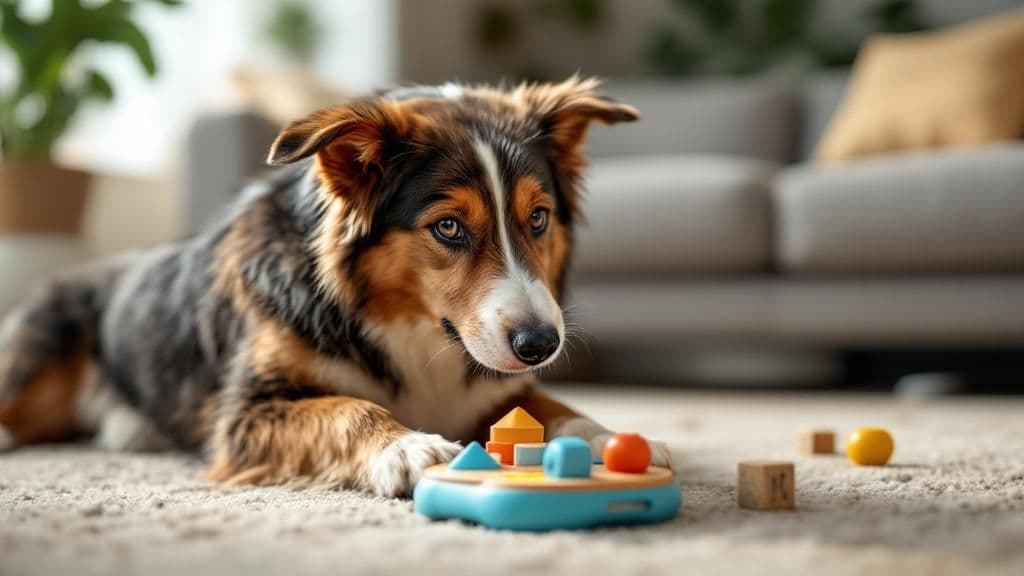
A bored dog is a destructive dog. Channel your dog's chewing and foraging instincts onto the right items. Keep a variety of durable chew toys, food puzzles, and interactive toys in rotation. This is where having a stash of the best dog treats for stuffing puzzles or a engaging new toy from a monthly box can redirect energy positively. Regular play and exercise are also crucial parts of a "proofed" home, as a tired dog has less energy for getting into mischief.
Know When to Seek Help
Sometimes, destructive behavior isn't about boredom, but an underlying issue. As Rover.com's experts highlight, if your dog is excessively chewing, scratching, or seems anxious, your first stop should be the vet to rule out medical problems like allergies or pain. If the behavior is rooted in anxiety, our dog anxiety guide offers strategies, and your vet may recommend additional support.
Final Thoughts
Dog proofing your home is an ongoing process, not a one time task. It evolves as your dog ages, as you bring new items into your home, and with the changing seasons. The investment of time and thought you put into creating a safe environment pays off immeasurably in prevented emergencies, preserved belongings, and a deeper, more relaxed bond with your dog. By seeing the world through their eyes and taking these practical steps, you're not just protecting your space, you're actively building a foundation of trust and security for your canine companion. Start with that crawl on the floor, tackle one room at a weekend, and enjoy the peace of mind that comes with knowing your home is truly a haven for every member of your family.
Recommended Products



Find the Perfect Box for Your Dog
Compare top-rated dog subscription boxes and find the best fit for your pup.
Compare Boxes