Vet Visit Frequency By Dog Age
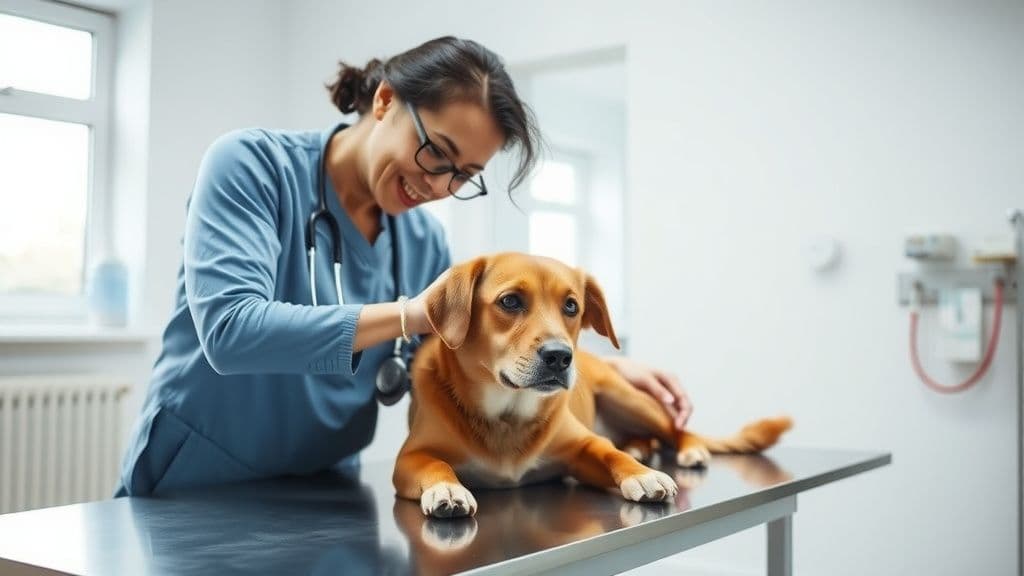
Regular vet visits are essential: annually for adult dogs, twice yearly for seniors, and more often for puppies.
The frequency of vet visits depends entirely on your dog's age and health. Healthy adult dogs typically need an annual checkup. Puppies require visits every 3 to 4 weeks until about 16 weeks old for vaccines and monitoring. Senior dogs, generally those 7 years and older, should see the vet at least twice a year. Giant breeds often need senior care starting as early as 5 years old.
As a dog owner, you want nothing more than a long, happy, and healthy life for your furry companion. A huge part of making that a reality is partnering with your veterinarian. But it's easy to wonder if you're scheduling those appointments just right. Are you going too often, or not enough? The truth is, there's no universal schedule. Your dog's vet visit frequency is a moving target that changes with each life stage, from the whirlwind puppy months to the golden senior years. Getting this rhythm right is one of the most powerful things you can do for their well being. It's about proactive care, catching small issues before they become big problems, and giving your vet the chance to be your guide. Let's break down exactly what that schedule should look like for your dog.
Puppy Vet Visit Schedule: The Foundation for a Healthy Life
Bringing home a puppy is an exciting time filled with firsts. Their first few months are also the most critical for establishing a strong health foundation. During this period, your puppy is building their immune system and growing at an incredible rate. The American Animal Hospital Association (AAHA) and other experts agree that a consistent vet schedule is non-negotiable.
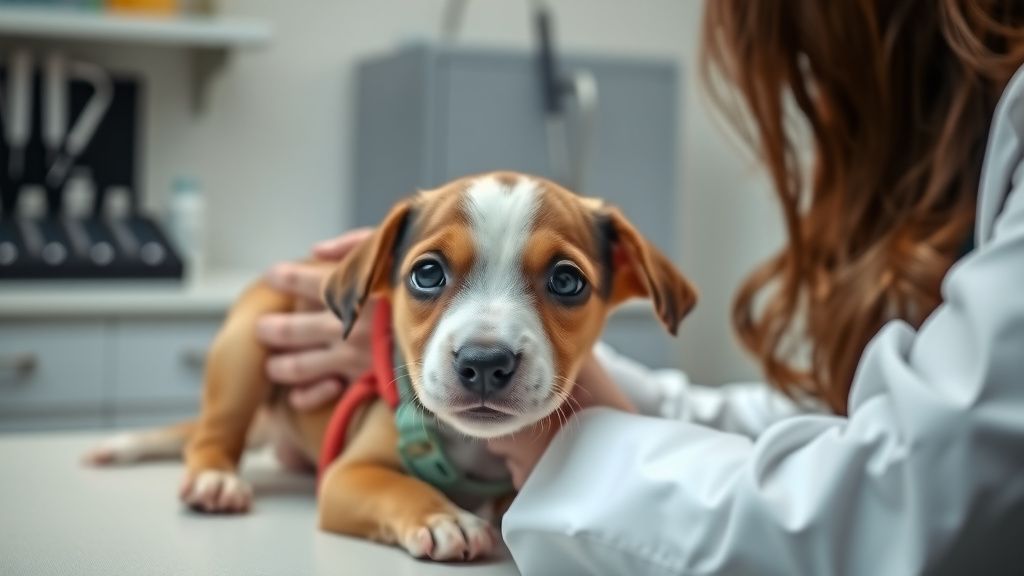
Most puppies should see the vet every three to four weeks from about 6 to 16 weeks of age. This isn't just a quick pop-in. Each visit serves multiple essential purposes.
The Core Puppy Visit Plan
A typical puppy series includes visits at around 6-8 weeks, 10-12 weeks, and 14-16 weeks. Here’s what happens at these appointments:
* Vaccinations: This is the primary reason for the frequent visits. Your vet will administer a series of vaccines for serious diseases like distemper, parvovirus, and rabies. These are given in stages because the immunity they get from their mother can interfere with early vaccines.
* Parasite Prevention and Testing: Puppies are often born with worms. Your vet will perform fecal exams to check for intestinal parasites and prescribe a safe, effective dewormer. They'll also start your pup on monthly preventatives for heartworm, fleas, and ticks.
* Comprehensive Physical Exams: The vet will check your puppy's weight, listen to their heart and lungs, examine their eyes, ears, and mouth, and assess their joints and overall body condition. This helps catch congenital issues early.
* Nutrition and Behavior Counseling: This is your chance to ask all the questions! Your vet can recommend a balanced and complete puppy food, discuss potty training and socialization, and address any early concerns like nipping or chewing. Getting the right nutrition from the start is crucial, which is why many owners explore options like fresh dog food or a curated best dog subscription boxes for tailored treats and chews.
Once your puppy completes their initial vaccine series, they usually shift to an annual wellness visit schedule. That first year visit is also the perfect time to discuss spaying or neutering.
Adult Dog Vet Visits: The Annual Wellness Check
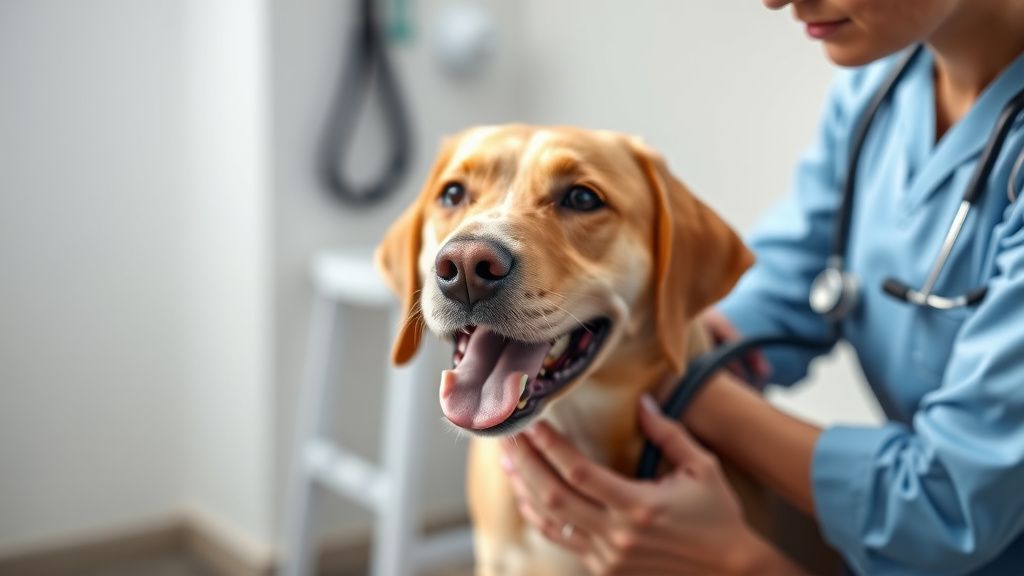
For the average, healthy adult dog (typically from about 1 to 7 years old), the standard recommendation is an annual veterinary examination. Think of this as your dog's yearly physical. It's a preventative health cornerstone.
An annual visit is far more than just a shot appointment. As experts note, general wellness exams often coincide with vaccines, but veterinarians also perform heartworm checks and fecal examinations. This annual deep dive allows your vet to establish what's normal for your dog so they can spot subtle changes later on.
A thorough adult dog wellness check will include:
* A nose-to-tail physical exam
* Core vaccine boosters (like rabies and distemper)
* A blood test for heartworm disease
* A fecal exam to check for intestinal parasites
* Discussion of diet, weight, dental health, and exercise
* Updates on parasite prevention (flea, tick, heartworm)
If your dog has a chronic condition like allergies or a sensitive stomach, you may need to visit more frequently for management. This is also the life stage where maintaining an ideal weight becomes critical. Your vet can help you choose a diet, whether it's kibble, raw dog food, or something else, that keeps your dog in peak condition.
Senior Dog Vet Visits: Shifting to Bi-Annual Care
Dogs are typically considered senior at around 7 years old. However, size dramatically impacts this timeline. Giant breeds like Great Danes and Saint Bernards age more quickly and may be considered senior as early as 5 years old. Smaller and toy breeds often don't hit senior status until later.
As pets age, their risk of age related diseases increases exponentially. Conditions like arthritis, kidney disease, heart disease, diabetes, and cancer become more common. Because dogs age faster than humans, a lot can change in their health over a single year.
This is why veterinary organizations like AAHA and experts such as Dr. Eileen Fatcheric, DVM, strongly recommend that healthy senior dogs see their veterinarian at least twice a year. Dr. Jerry Klein from the AKC also advises bringing older dogs in every six months, particularly if they are showing signs of aging.
What to Expect at Senior Visits
Semi-annual visits for senior dogs are designed for early detection. Catching a problem in its beginning stages can lead to more effective management, less discomfort for your dog, and often, lower treatment costs.
These visits will be more comprehensive than adult checkups and may include:
* More Detailed Physical Exams: Your vet will pay extra attention to joint mobility, check for lumps or bumps, and listen carefully to the heart and lungs.
* Senior Bloodwork and Urinalysis: This is the key component. Blood and urine tests can reveal hidden problems with the liver, kidneys, thyroid, and blood sugar long before your dog shows obvious symptoms.
* Blood Pressure Monitoring: Hypertension is common in older dogs and can damage organs.
* Dental Assessment: Dental disease can lead to systemic infections affecting the heart and kidneys.
* Discussions about Quality of Life: Your vet will talk about changes in appetite, energy, bathroom habits, and cognitive function. They can help you manage pain from arthritis and suggest supportive care, which might include supplements or therapeutic diets.
Increasing the frequency of vet visits during these years is one of the greatest gifts you can give your aging best friend. It allows you to manage their comfort and health proactively. You might find that softer treats from a dog food delivery service or joint-supporting supplements become helpful additions to their routine.
Special Considerations and When to Go Off-Schedule
While the age-based guidelines are the framework, every dog is an individual. Certain factors will require you to make extra trips to the vet outside the planned wellness schedule.
Breed and Size: As mentioned, giant breed dogs enter their senior years earlier and may benefit from twice-yearly checkups starting at age 5 or 6. Conversely, a healthy small breed dog might stay on an annual schedule until they are 8 or 9. Underlying Health Conditions: Dogs with diagnosed chronic issues like diabetes, heart disease, or severe allergies will need frequent monitoring. Your vet will create a customized appointment schedule for management. Unexpected Symptoms: Never wait for the next scheduled checkup if you notice concerning signs. Contact your vet if you observe:* Sudden changes in appetite or water consumption
* Lethargy or reluctance to exercise
* Vomiting or diarrhea that lasts more than 24 hours
* Difficulty breathing, coughing, or gagging
* Lumps, bumps, or skin changes
* Signs of pain, like limping or yelping when touched
* Behavioral changes, such as increased anxiety or confusion. Sudden anxiety in an older dog can be a sign of medical issues, so our dog anxiety guide can help you identify the cause.
Life Events: Pregnancy, injury, or preparing for major travel will also necessitate unscheduled visits.Final Thoughts
Creating the right veterinary care rhythm for your dog is a fundamental act of love. It moves you from a reactive owner to a proactive partner in their health. Remember the simple timeline: frequent visits for your puppy to build a foundation, steadfast annual checkups during their vibrant adult years, and a thoughtful shift to twice-yearly visits as they become seniors. Pay special attention to the needs of giant breeds, who deserve that senior-level care much sooner.
Your veterinarian is your greatest ally on this journey. They can help you interpret these guidelines for your unique dog, considering their breed, lifestyle, and personality. Those regular checkups are the perfect time to discuss everything from the best dog treats for training to concerns about behavior. By committing to this schedule, you're not just preventing disease, you're investing in more quality years, more shared adventures, and more joyful moments with your beloved canine friend. That's a return on investment that's truly priceless.
Recommended Products



Find the Perfect Box for Your Dog
Compare top-rated dog subscription boxes and find the best fit for your pup.
Compare Boxes