2026 Calorie Guide for 120 Pound Dogs

Discover the precise daily calorie needs for your 120-pound dog to maintain optimal health and energy.
A 120-pound adult dog typically needs between 3,000 and 4,200 calories per day. The exact amount depends on their age, activity level, and metabolism. Use our dog food calculator or the formula RER = 70 x (weight in kg)^0.75 to get a more precise starting point, then adjust based on your dog's body condition.
You've got a gentle giant. A 120-pound dog is a majestic companion, whether it's a large breed like a Great Dane or a sturdy Mastiff mix. With that impressive size comes a big responsibility, especially for nutrition. Feeding them correctly isn't just about filling a bowl; it's about supporting their joint health, energy, and overall longevity. I've seen too many large dogs struggle with weight, which can shorten their lives and impact their quality of life. So, let's get it right. This guide will walk you through the 2026 standards for calculating your big dog's calorie needs, translating those calories into cups of food, and making smart adjustments to keep them in peak condition.
How Many Calories Does a 120-Pound Dog Need?
This is the core question. You can't just guess. The research consistently points to two reliable methods: a general per-pound range and a more precise veterinary formula.
The broad guideline, supported by sources like the Dog Food Calculator 2026 and the Omni Calculator, states that a typical adult dog needs 25 to 35 calories per pound of body weight. For your 120-pound dog, that's a range of 3,000 to 4,200 calories per day. That's a wide span, and for good reason. A sedentary, senior 120-pound dog will be at the very low end of that range, while a highly active working dog or a pregnant female would be at the high end.
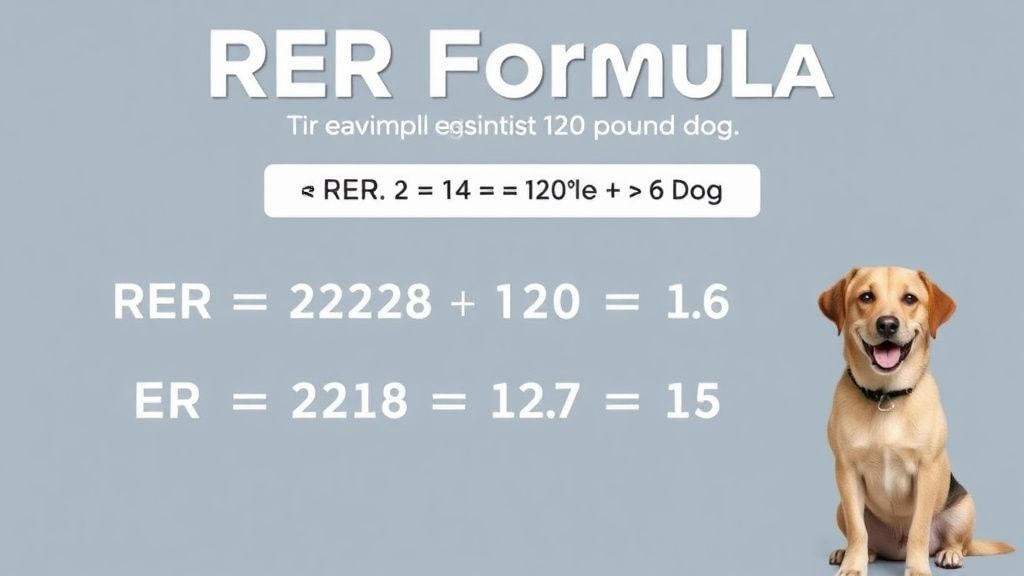
For a more personalized starting point, veterinarians and resources like the Pet Nutrition Alliance and VCA Canada Animal Hospitals recommend using the Resting Energy Requirement (RER) formula. This calculates the calories needed for basic bodily functions at rest. The formula is:
RER = 70 x (body weight in kilograms)^0.75First, convert 120 pounds to kilograms (120 lbs / 2.2 = 54.5 kg).
Then, calculate: 70 x (54.5)^0.75.
This gives us an RER of approximately 1,400 calories.
But that's just for resting. To get the total Daily Energy Requirement (DER), you multiply the RER by a factor based on your dog's life stage and activity:
* Neutered/Spayed Adult: RER x 1.6 = ~2,240 calories
* Intact Adult: RER x 1.8 = ~2,520 calories
* Active/Working Dog: RER x 2.0-5.0 = ~2,800 to 7,000+ calories
* Weight Loss: RER x 1.0 = ~1,400 calories (under vet supervision)
* Pregnant/Nursing Dog: RER x 3.0-4.0+ = ~4,200+ calories
For most 120-pound family pets, the sweet spot will likely be between 2,200 and 3,000 calories. This aligns perfectly with the general per-pound guideline. The best way to be sure? Use a free tool like the one from the Association for Pet Obesity Prevention or our own dog food calculator to input your dog's specific details.
Translating Calories into Cups of Food
Calories are the real target, but we measure food in cups. This is where things get tricky, because not all kibble or fresh dog food is created equal. The calorie content, or metabolizable energy (ME), varies dramatically between brands and formulas.
As the Dog Food Advisor calculator notes, the ME is usually listed on the package. Let's look at an example. Say your chosen food has 350 calories per cup. If your 120-pound dog needs 2,800 calories per day, the math is simple: 2,800 / 350 = 8 cups per day.
But what if you're using a premium, high-protein freeze-dried dog food that's 450 calories per cup? Then the daily amount becomes about 6.2 cups. That's a difference of nearly two cups of food for the same calorie goal. This is why feeding by the cup measurement on the bag without checking calories can lead to over or underfeeding.
Here's your action plan:1. Find the ME: Locate the "kcal/cup" or "kcal/kg" on your dog food bag or the company's website.
2. Do the Math: Divide your dog's daily calorie target by the calories per cup.
3. Split the Portions: For large dogs, it's often better to split this total into two meals a day to prevent bloat and maintain steady energy.
Remember, the feeding guide on the package is just a starting point, as VCA Canada advises. Your dog's individual needs are what matter most.
Key Factors That Change Calorie Needs
A calorie target isn't set in stone. It's a living number that you should reassess regularly. Several factors will nudge it up or down.
Age and Life Stage: A sprightly 3-year-old needs more than a serene 10-year-old. Senior dogs often have slower metabolisms and less activity, so their calorie needs can decrease by 20-30%. Conversely, puppies (though a 120-pounder won't be a puppy for long!) and pregnant or nursing dogs have significantly higher requirements. Activity Level: This is the biggest variable after weight. Does your dog enjoy leisurely strolls or are they a hiking and running partner? A dog with a job, like a search and rescue canine, may need more than double the calories of a couch companion. Adjust their food on heavy activity days, much like you would for yourself. Metabolism and Breed: Some dogs just burn calories faster. Sighthounds like Greyhounds often have higher metabolisms. Neutering or spaying can reduce calorie needs by up to 30%, which is why we use a lower multiplier in the RER formula for altered pets. Health Status: Certain medical conditions, like thyroid issues, can drastically alter metabolism. Always work with your vet to determine the best diet for a dog with health concerns.How to Know You're Feeding the Right Amount
The scale and the feeding chart don't have the final say; your dog's body does. Dr. Jennifer Coates, writing for PetMD, gives us the gold standard for assessment. You should be able to:
* See a visible waistline when looking down at your dog from above.
* Feel their ribs easily with a slight fat covering, but not see them protruding.
* Observe a tucked-up abdomen when viewed from the side.
If you can't feel the ribs at all, your dog is likely carrying extra weight. If the ribs and spine are starkly visible, they may be underweight. The Pet Nutrition Alliance recommends a safe weight loss rate of 1-2% of body weight per week if needed. For a 120-pound dog, that's 1.2 to 2.4 pounds per week.
Treats are a major pitfall. That advice to keep treats under 10% of total daily calories is critical. For a dog on 2,800 calories, that's only 280 calories in treats. A couple of large biscuits or a handful of training treats can easily blow that budget. Consider using portions of their daily kibble as treats, or invest in best dog treats that are low in calories but high in value.
Practical Tips for Feeding a Giant Breed
Feeding a 120-pound dog comes with its own set of logistics. Here's how to make it manageable and effective.
Choose the Right Food: Look for formulas specifically designed for large or giant breeds. These often have controlled calcium and phosphorus levels for proper bone development and added supplements for joint health, like glucosamine. Whether you pick kibble, raw dog food, or a fresh diet, ensure it's labeled as complete and balanced for their life stage. Invest in Proper Gear: A raised feeder can make mealtime more comfortable and may help reduce the risk of bloat, a serious concern for deep-chested breeds. Use a standard measuring cup, not a random scoop from the pantry, for consistency. Consider a Subscription: Managing the food supply for a giant dog is a task. A dog subscription box or dog food delivery service can ensure you never run out and often provides convenience and cost savings. Many services allow you to tailor the calorie content and delivery schedule. Monitor and Adjust: Weigh your dog monthly. Keep a simple log of their weight and food amount. If you notice gradual weight gain or loss, adjust their daily portion by 5-10% (that's about ½ to 1 cup for a big dog) and reassess in two weeks. Changes in seasons or activity should prompt a review. If you notice changes in appetite or energy coupled with stress, our dog anxiety guide might offer some insights.Final Thoughts
Feeding your 120-pound best friend properly is one of the most impactful things you can do for their health. Start with the numbers, use the RER formula or a trusted calculator to get a calorie target. Then, become a label reader to translate those calories into accurate cup measurements. But never let the math override the physical evidence. Your hands and eyes are the best tools you have. Feel for their ribs, look for that waist, and watch their energy.
Be mindful of treats, and don't be afraid to adjust portions as their life and activity change. When in doubt, your veterinarian is your ultimate partner in crafting a nutrition plan. Putting in this effort means more healthy years, more adventures, and more joy with your gentle giant. That's the real goal, and every correctly measured cup of food gets you closer.
Find the Perfect Box for Your Dog
Compare top-rated dog subscription boxes and find the best fit for your pup.
Compare Boxes