Best Diets For Sensitive Stomachs

Limited-ingredient diets can help identify triggers, but they aren't a cure-all for every sensitive stomach.
Limited ingredient diets (LIDs) are often an excellent starting point for managing a sensitive stomach, as they simplify the ingredient list to help identify potential allergens and reduce digestive triggers. However, they are not a universal solution. A sensitive stomach can stem from various causes, and some dogs may benefit more from easily digestible formulas, novel proteins, or even veterinary prescribed hydrolyzed diets. The best choice depends on your dog's specific needs and should be made with a veterinarian's guidance.

You know that worried feeling all too well. Your dog seems off, maybe a little lethargic, and then you find the evidence: an upset stomach. It's a common yet distressing issue for pet parents. In the search for a solution, the term "limited ingredient diet" or LID shines like a beacon. It promises simplicity, fewer triggers, and relief. But is a diet with fewer components always the magic bullet for every sensitive stomach? The answer is more nuanced than a simple yes or no.
While limited ingredient diets are a powerful tool, they are one of several strategies for managing digestive health. Let's explore when they shine, when they might not be necessary, and how to find the right nutritional path for your pup's unique system.
What Exactly Is a Limited Ingredient Diet (LID)?
First, let's clarify what we mean. A limited ingredient diet is exactly what it sounds like: a dog food formulated with a minimal number of components. The goal is to reduce the number of potential allergens or irritants your dog is exposed to at one time.
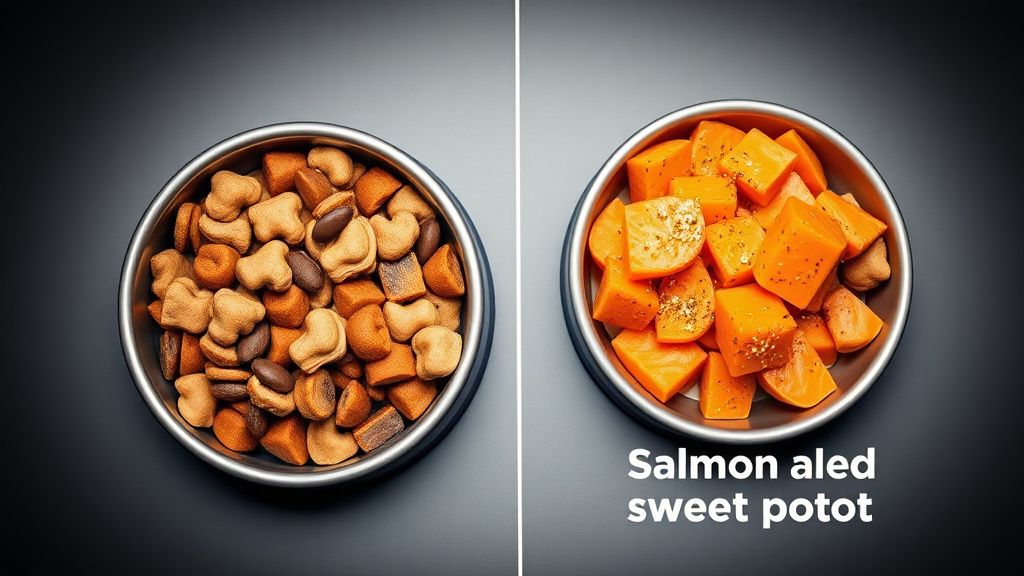
According to experts, these diets typically focus on a single source of animal protein and a single source of carbohydrate. For example, a recipe might contain only salmon and sweet potato, or only duck and peas. This simplicity is the core of their appeal. As one source notes, these formulas "strip things down to basics," making it much easier for you and your veterinarian to pinpoint what might be causing a reaction if your dog's symptoms improve.
But don't let the short ingredient list fool you. A well formulated limited ingredient diet is still designed to be nutritionally complete and balanced. It packs all the vitamins, minerals, and nutrients your dog needs into that simplified framework. The focus is on the quality and digestibility of those few ingredients, rather than the quantity.
When a Limited Ingredient Diet Is the Right Choice
So, when does this simplified approach make the most sense? The research points to a few key scenarios where starting with a LID is a smart move.
Suspected Food Sensitivities or Intolerances: This is the primary use case. If your dog has chronic, intermittent stomach issues like loose stools, gas, or occasional vomiting, a food sensitivity could be the culprit. Common triggers include proteins like chicken and beef, or fillers like corn, soy, and wheat. By feeding a diet with one novel protein (one your dog hasn't eaten before) and one carbohydrate, you essentially start with a clean slate. If symptoms resolve, you have a strong clue about what to avoid. Managing Concurrent Skin and Stomach Issues: The gut and skin are deeply connected. The same ingredients that stress digestion can often manifest as itchy skin, hot spots, or ear infections. Many hypoallergenic foods are built on a limited ingredient philosophy. By limiting ingredients that cause reactions, a calmer diet can support both systems at once. If your dog is scratching incessantly and has digestive trouble, a LID is a very logical first step to discuss with your vet. As Part of an Elimination Diet: This is a more structured veterinary process. To definitively diagnose a food allergy, a vet may recommend an elimination diet using a prescription LID or a hydrolyzed protein diet. The principle is the same: feed only the prescribed simple food for 8-12 weeks, then slowly reintroduce old ingredients one by one to watch for reactions. An over the counter LID can sometimes be used for this under strict veterinary supervision.When a LID Might Not Be the Best Solution
Limited ingredient diets are not a cure all. There are several situations where a different dietary approach might be more effective or necessary.
Non-Food Related Digestive Issues: A sensitive stomach can be caused by many things unrelated to food allergies. These include:* Pancreatitis
* Inflammatory Bowel Disease (IBD)
* Parasites
* Bacterial overgrowth
* Eating something they shouldn't have (like getting into the trash)
* Even stress and anxiety, which you can learn more about in our dog anxiety guide
In these cases, treating the underlying condition is paramount. A diet change may be part of the treatment plan, but it might be a specific gastrointestinal (GI) prescription diet formulated for easy digestion and nutrient absorption, not necessarily a standard LID.
The Need for Maximum Digestibility: Some dogs simply have a temperamental digestive system that benefits from highly digestible ingredients, not just fewer of them. The best dog foods for sensitive stomachs often emphasize easy to digest ingredients, added probiotics, prebiotic fibers, and gentle cooking methods. These formulas might contain more than one protein or carb source, but they are chosen specifically for their gut friendly properties. Prescription Hydrolyzed Diets: For dogs with true, diagnosed food allergies, even a novel protein in a LID might not be enough. Their immune system can react to the protein molecules. A hydrolyzed protein diet, available by prescription, uses proteins that have been broken into smaller, gentler fragments that are too tiny for the immune system to recognize and attack. As one veterinary source states, over the counter diets may not be the best solution for every pet with a sensitive stomach stemming from allergies. Nutritional Balance Concerns: This is a critical point. Any diet you feed long term must be complete and balanced for your dog's life stage. While most commercial LIDs meet AAFCO standards, extreme dietary experiments, like feeding only chicken and rice forever or crafting a homemade limited diet without guidance, can lead to serious nutrient deficiencies. Always consult your vet before making a major diet change.Key Ingredients to Look For (and Avoid) in Sensitive Stomach Foods
Whether you choose a LID or another sensitive stomach formula, knowing what to look for on the label will help you make an informed choice. The research consistently highlights certain beneficial ingredients and common irritants.
Ingredients That Support a Sensitive Stomach:* Single or Novel Proteins: Look for identifiable animal proteins like lamb, salmon, duck, venison, or kangaroo. These are less common than chicken or beef, reducing the chance of a reaction.
* Easily Digestible Carbohydrates: Sweet potato, pumpkin, oatmeal, and white rice are often well tolerated and provide gentle energy.
* Added Probiotics: These are "good" live bacteria that help maintain a healthy balance in the gut microbiome. They are a key feature in many sensitive stomach formulas.
* Prebiotic Fibers: Ingredients like chicory root or beet pulp feed the good bacteria in the gut, helping them thrive.
* Healthy Fats: Look for named fat sources like chicken fat or salmon oil, which are easier to digest than generic "animal fat."
Common Ingredients That Can Cause Problems:* Common Proteins: Chicken, beef, and dairy are frequent culprits in food reactions.
* Fillers and Grains: While not all dogs are sensitive to them, corn, wheat, and soy are known potential irritants and are often excluded from sensitive formulas.
* Artificial Additives: Artificial colors, flavors, and preservatives (like BHA, BHT, ethoxyquin) can be harsh on a sensitive system. Natural preservatives like mixed tocopherols (Vitamin E) are preferable.
How to Transition Your Dog to a New Food
Finding the right food is only half the battle. A sudden switch can upset any dog's stomach, especially one that's already sensitive. A slow, methodical transition over 7-10 days is non negotiable.
Start by mixing about 25% of the new food with 75% of the old food for 2-3 days. If all is well, move to a 50/50 blend for another few days. Then, try 75% new food with 25% old food. Finally, you can make the full switch to 100% new food. Watch your dog's appetite, energy, and stool consistency closely throughout this process. If you see significant worsening of symptoms, stop and consult your vet.
This careful transition period is where the convenience of a dog food delivery or dog subscription box service can be a lifesaver. It ensures you have a consistent supply of the new food on hand without last minute store runs, making the process smoother for you and your pup.
Final Thoughts
Navigating your dog's sensitive stomach can feel like a puzzle. Limited ingredient diets are a tremendously useful piece of that puzzle, offering a clear path to identifying food triggers and providing relief through simplicity. For many dogs, they are indeed the best way forward.
However, they are not the only piece. The most important step you can take is to partner with your veterinarian. They can help rule out medical conditions, guide you through an elimination diet if needed, and recommend whether a LID, a high digestibility formula, or a prescription diet is the right starting point. Remember, the goal isn't just a short term fix, but a long term, nutritionally complete diet that keeps your dog's tail wagging and their stomach happy. Pay close attention to how your dog responds, be patient with the process, and you'll find the food that helps your best friend feel their absolute best.
Find the Perfect Box for Your Dog
Compare top-rated dog subscription boxes and find the best fit for your pup.
Compare Boxes