Smoothly Switch Your Dog's Sensitive Stomach Food

Switch your dog's food gradually to avoid tummy troubles and find the perfect sensitive stomach formula.
Transition your dog to sensitive stomach food over a minimum of two weeks, starting with a small amount of new food mixed into their current food and gradually increasing the ratio every few days. Avoid new treats or toppers during this period and monitor your dog's stool and appetite closely, slowing down or consulting your vet if you see signs of upset.
Watching your dog struggle with a sensitive stomach is tough. You see the discomfort after meals, the unpredictable digestive issues, and you just want to find a solution that brings them relief. Switching to a food formulated for sensitive digestion is often the best path forward, but the process itself can feel daunting. How do you change their diet without making the very problems you're trying to solve even worse? I've been through this with my own dog, and I know the anxiety it can cause. The good news is that with a patient, methodical approach, you can successfully transition your dog to a new, gentler food and set them up for happier, more comfortable digestion. Let's walk through exactly how to do it.
Why a Slow Transition is Non-NegotiableYou might wonder why you can't just swap the old bag for the new one and be done with it. A dog's digestive system is a complex ecosystem full of enzymes and bacteria specifically tailored to break down the food they eat regularly. When you introduce a completely new set of ingredients, protein sources, and fat levels, you're essentially asking that internal system to rebuild its workforce from the ground up. Doing it too fast is a recipe for protest in the form of diarrhea, vomiting, or loss of appetite.
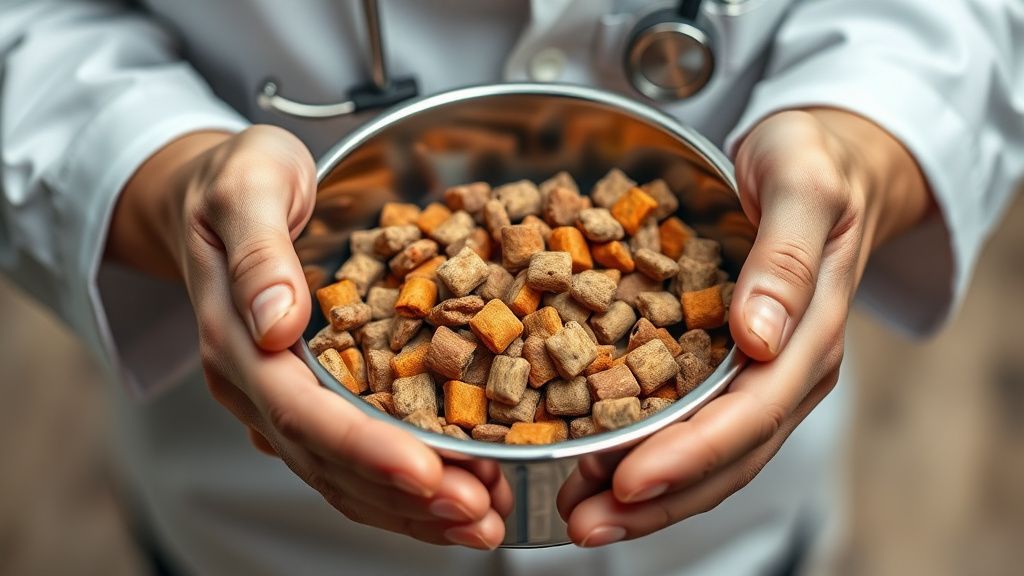
Experts across the board emphasize a gradual change. The American Kennel Club states that a gradual change is more ideal to help avoid an upset stomach. For most dogs, a transition period of at least seven days is recommended. However, for dogs with known sensitivities, that timeline needs to be longer. Resources from Big Dog Pet Foods and others advise transitioning slowly over a minimum of two weeks, and potentially even longer for extra sensitive dogs. This extended time allows your dog's gut bacteria to adapt without the shock that leads to upset.
Choosing the Right Sensitive Stomach FoodBefore you even begin the transition, you need to select the right food. This step is crucial. A food marketed for "sensitive stomachs" should have certain characteristics. Look for formulas with a limited number of high quality, easily identifiable ingredients. A single, novel protein source (like salmon, lamb, or duck) can be easier to process than blends. Highly digestible carbohydrates like white rice, sweet potato, or oatmeal are often gentler. Many experts also recommend avoiding artificial additives, colors, and preservatives.
Some owners find that moving to a diet with higher quality ingredients, like those found in fresh dog food or freeze-dried dog food, can make a significant difference. As noted in research on transitioning to fresh diets, these options offer better digestibility compared to heavily processed kibble, but that beneficial shift still requires a gradual introduction. Whether you choose a premium kibble, a gently cooked option, or a veterinary prescribed diet, ensure it matches your dog's specific age, size, and health needs.
The Step-by-Step Transition Plan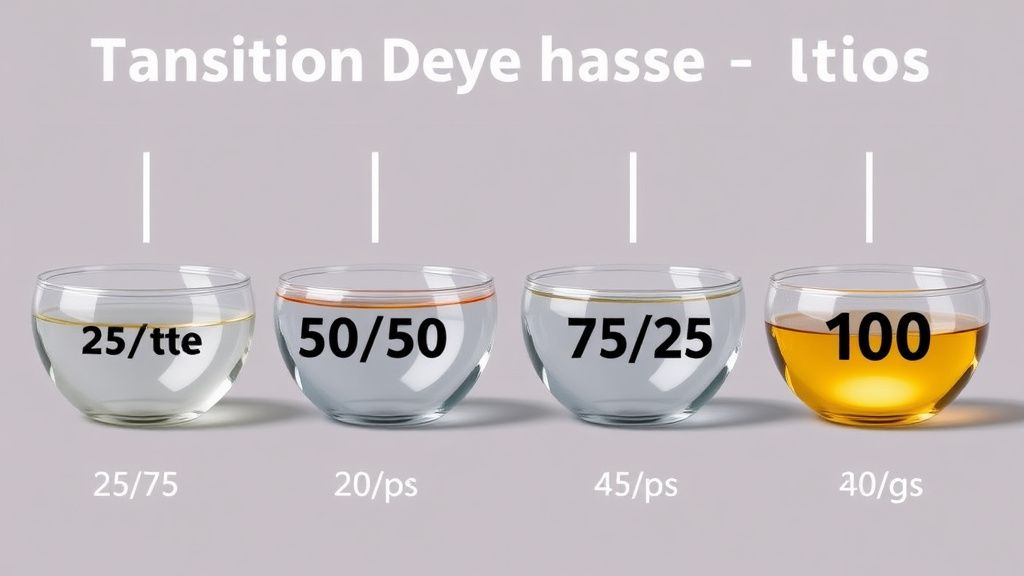
Here is a detailed, approved by veterinarians schedule to follow. Remember, this is a template. If your dog has a very sensitive stomach, be prepared to stretch each step out over more days.
Days 1-3: Mix 25% of the new sensitive stomach food with 75% of your dog's current food. Days 4-6: Shift to a 50/50 blend of old and new food. Days 7-9: Mix 75% of the new food with 25% of the old food. Days 10+: You can move to 100% of the new sensitive stomach food.For dogs with extremely delicate digestion, consider a more extended three-week plan. You could start with a 10% new to 90% old ratio for the first four to five days, then move to 25%/75% for another four to five days, and so on. The team at Hill's Pet advises that if your dog's stool appears runny or abnormally soft at any point, you should return to a previous ratio that didn't cause upset and make even smaller changes, extending the transition to two weeks or more.
Critical Monitoring and TroubleshootingTransitioning isn't a set-it-and-forget-it process. Your most important job during these weeks is to be a careful observer.
First, monitor stool consistency closely. This is your best daily indicator of how your dog is handling the change. Firm, well-formed stools mean you're on the right track. Soft stool or diarrhea signals you're moving too quickly. As advised, if you see concerning signs, proceed more slowly. Also, keep an eye on your dog's appetite, energy levels, and watch for any vomiting.
Second, practice strict dietary control. Every source I reviewed stressed this point. During the transition time, avoid introducing new treats, chews, food toppers, or supplements. Even a single new treat can confuse the process and make it impossible to tell if the new food or the extra snack caused a reaction. Stick to the plan. If you need to use training treats, use tiny pieces of the old kibble (if you have some left) or the new kibble you're transitioning to. For a wider selection of gentle, single-ingredient treat options that might be suitable after the transition is complete, you can explore our guide to the best dog subscription boxes that often feature digestible snacks.
What if you hit a roadblock? If your dog refuses to eat the mixed food, try ensuring the new food is at room temperature. For wet or fresh food, a slight warming can enhance aroma. If digestive upset occurs, you can press pause. Go back to the last ratio that worked well for a few days to let their system settle. The AKC suggests a simple dinner of cooked chicken meat and boiled rice, without any seasoning or fat, may help settle an upset stomach temporarily. However, this is just a short-term reset, not a long-term diet. If you have transitioned gradually and your dog is still experiencing significant stomach upset, it is best to consult with your veterinarian to rule out other underlying issues.
Special Considerations for Puppies, Seniors, and Anxious DogsSome dogs need extra care during a food switch. Puppies have developing digestive systems that can be more easily disrupted. Senior dogs may have slower metabolisms and pre-existing health conditions. For both, following an extended, slow transition schedule is wise.
Dogs who are prone to stress or anxiety can also experience digestive upset related to their emotional state, not just the food itself. A change in diet can be an additional stressor. Maintaining a calm, consistent routine with regular feeding times is very helpful. If your dog is generally anxious, incorporating calming practices can support the overall transition. You can find supportive strategies in our dog anxiety guide to help create a more peaceful environment.
Setting Up for Long-Term SuccessOnce your dog is successfully eating 100% of the new sensitive stomach food, give their system time to fully adjust. It can take a few more weeks for their digestion to optimize and for you to see the full benefits of the new diet, such as more consistent stools, reduced gas, and a shinier coat.
When you are ready to reintroduce treats or supplements, do so one at a time, with several days in between. This way, if a problem arises, you'll know exactly which item is the culprit. Look for simple, limited-ingredient treats that complement the simple diet you've worked so hard to establish.
Final Thoughts
Transitioning your dog to a sensitive stomach food requires patience and attention to detail, but the payoff is immense. A comfortable, happy dog with predictable digestion is worth every careful step. Remember the core principles: go slow over two to three weeks, mix foods gradually, monitor everything closely, and keep the diet simple during the change. Don't rush the process. By respecting your dog's unique digestive pace, you're giving them the best chance to thrive on their new diet. If challenges persist, your veterinarian is always your best partner in ensuring your dog's nutritional health and overall well-being.
Find the Perfect Box for Your Dog
Compare top-rated dog subscription boxes and find the best fit for your pup.
Compare Boxes