Safe Alone Time For Dogs By Age
Learn how long dogs can be safely left alone based on their age and development stages.
A healthy adult dog can typically be left alone for six to eight hours, but this requires a solid routine. Puppies under 6 months should not be alone for more than 2 to 3 hours, while senior dogs or those with health issues often need more frequent care and shouldn't be left for more than 4 to 6 hours at a time.
Leaving your dog alone is a reality of modern life, but it's a topic that fills many pet parents with guilt and worry. We all want to ensure our furry family members are safe, comfortable, and happy, even when we have to step out for work or errands. The question of how long is too long isn't just about convenience; it's a core aspect of your dog's health and wellbeing. Through my years of working with dogs, I've seen how proper planning for alone time can prevent anxiety, promote good habits, and strengthen the bond between you and your pet. Let's break down the guidelines by age and look at practical ways to make alone time safe and stress free for everyone.
How Long Can Puppies Be Left Alone?
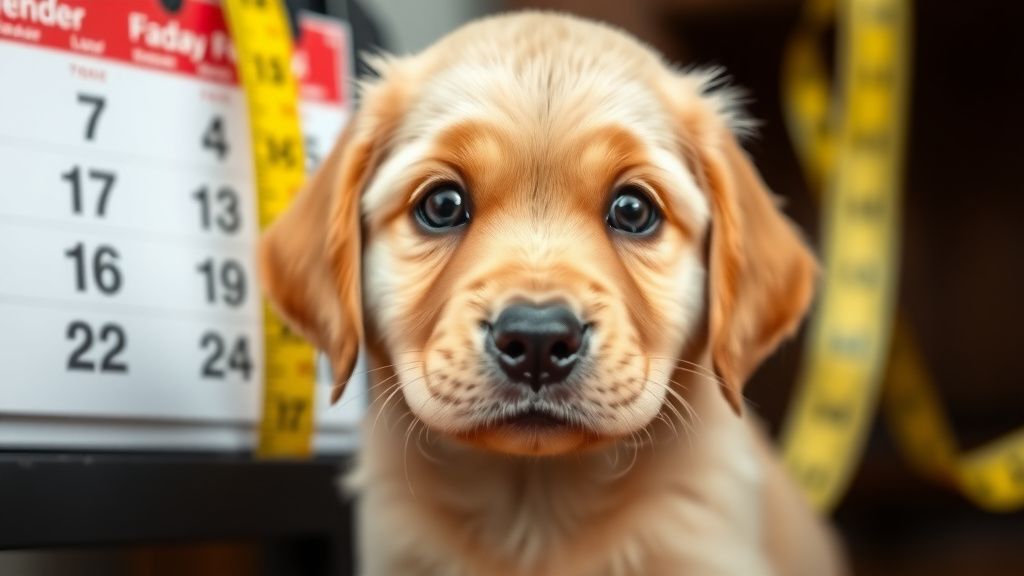
Young puppies require near constant supervision and care. Their world is brand new, they're learning basic rules, and their physical capabilities are limited. The consensus from veterinarians and trainers is clear: puppies under 6 months old should not be left alone for more than 2 or 3 hours. This limit is driven by two key factors: bladder control and the risk of developing separation anxiety.
 Golden Retriever) looking curious and" class="w-full rounded-xl shadow-sm" loading="lazy" />
Bladder control in puppies develops gradually. A common guideline from the American Kennel Club is that dogs between 10 to 12 weeks old can usually hold it for around two hours. After 3 months old, they can often hold it for approximately one hour for each month they've been alive. So a 4 month old puppy might manage four hours, but pushing this limit is risky and can lead to accidents that hinder potty training progress. It's cruel to expect a tiny puppy to hold their bladder for a full workday.
Beyond bathroom needs, puppies need frequent socialization, feeding, and consistent training. Leaving them alone for prolonged periods during this critical developmental stage can foster anxiety. When you must leave a young puppy alone, confining them to a crate or a small, puppy proofed area is safest. This prevents them from getting into mischief or chewing dangerous items. Ensure they have a comfortable bed, water, and perhaps a safe chew toy from a dog subscription box that delivers new, engaging items regularly.
What's the Limit for Adult Dogs?
For a healthy adult dog, the general rule is that they can be left alone for six to eight hours. This is the maximum, and it's not a universal standard. It requires deliberate work and effort to establish a routine where your dog is truly comfortable with that amount of time. Many experts, including veterinary sources, suggest a more conservative window of 4 to 6 hours alone for most adult dogs, provided their physical and mental needs are met beforehand.
This timeframe assumes your dog has had ample opportunity to relieve themselves and get some exercise before you leave. Access to fresh water and a comfortable, safe space is essential. It is considered cruel and unethical to leave your dog alone for longer than 6 to 8 hours without arranging help from a friend, family member, pet sitter, or doggy daycare service. Think in terms of hours, not days. If you're going to be away for a night or longer, you must arrange for someone to look after your dog.
An adult dog's ability to cope with alone time also depends heavily on their individual personality, breed, and what they're accustomed to. A dog used to quiet, solitary days may handle eight hours better than a dog accustomed to constant companionship. The key is to meet their needs consistently. A long walk or play session before you leave, coupled with mental stimulation like a puzzle feeder filled with best dog treats, can make the alone period much more manageable for them.
Do Senior Dogs Have Different Needs?
Yes, senior dogs absolutely have different needs for being left alone. While they may have been fine with longer stretches in their prime, aging brings changes that require more frequent attention. Most experts agree that senior dogs, along with dogs with known health issues, should not be left alone for more than 4 to 6 hours at a time, and often 2 to 3 hours is more appropriate.
Age affects bladder control, just as it does in puppies. Elderly dogs likely need more frequent breaks outside. Conditions like arthritis can make moving to their water bowl or comfortable spot more difficult. They may also experience increased anxiety or confusion. It's vital to consider their specific health profile. A senior dog with kidney issues will need more water and bathroom breaks. A dog with cognitive decline might become distressed if left too long.
Creating a comfortable environment is paramount. Ensure their resting area is easy to access and warm. Consider a pet camera to monitor them for signs of distress or physical difficulty. Their diet may also need adjustment; easily digestible fresh dog food can help maintain their energy and comfort. Regular, shorter periods of alone time, interspersed with human contact, are best for our aging companions.
How Can You Make Alone Time Safer and Easier?
Regardless of your dog's age, a few universal strategies can make being left alone safer and less stressful for your dog, and less worrisome for you.
Establish a Predictable RoutineDogs thrive on predictability. Try to leave and return at roughly the same times each day. A consistent schedule for meals, walks, and alone time helps your dog understand what to expect and builds confidence. This routine should include a substantial walk or play session right before you depart to tire them out physically and mentally.
Provide Mental and Physical StimulationBoredom leads to anxiety and destructive behaviors. Leave your dog with engaging toys that are safe for unsupervised play. Puzzle toys that dispense treats, long lasting chews, or even a simple box with some kibble hidden inside can occupy their mind. I've found that rotating toys from a monthly dog subscription box keeps things novel and exciting for them.
Create a Safe and Comfortable SpaceThis might be a crate, a specific room, or a gated area. The space should be free from hazards and include a comfortable bed, fresh water in a non spill bowl, and perhaps background noise like a quiet TV or radio. For dogs prone to anxiety, items like a worn t-shirt with your scent can be comforting.
Use Technology and SupportA pet camera is a fantastic tool for peace of mind. It allows you to check that your pup is safe, not distressed, and not getting into mischief. If your regular schedule exceeds the recommended alone time for your dog's age, don't push the limit. Arrange for a dog walker, a neighbor, or use a doggy daycare service. It's not a luxury; it's a necessity for their wellbeing. For dogs showing signs of stress, our dog anxiety guide offers more detailed strategies.
Meet Their Basic NeedsAlways ensure your dog has relieved themselves and has access to water before you leave. Consider their diet as part of the preparation; a balanced meal that doesn't cause digestive upset is crucial. Whether you use a reliable dog food delivery service or prepare their meals yourself, consistency in feeding helps maintain their overall stability.
What Are the Signs Your Dog Is Struggling?
Even if you follow all the guidelines, some dogs may struggle with being alone. It's important to recognize the signs of distress so you can adjust your approach. Common signs include destructive chewing or scratching, particularly at doors or windows. Excessive barking or howling that continues long after you've left is another red flag. You might notice potty accidents in a dog that normally has good control, or find signs of attempts to escape.
More subtle signs can include changes in behavior when you are home, such as clinginess or agitation as you prepare to leave. A dog that refuses to eat when alone, or that seems depressed upon your return, is likely not coping well. If you observe these behaviors, it's a clear signal that the alone time is too long, or that your dog needs more support during it. Reducing the time alone, increasing pre departure exercise, and providing more mental stimulation are good first steps. In severe cases, consulting a trainer or veterinarian about separation anxiety is essential.
Final Thoughts
Determining how long you can leave your dog alone isn't about finding a maximum number to exploit; it's about understanding and respecting their needs at each stage of life. From the fragile puppy months to the strong adult years and into the gentle senior phase, their requirements for companionship, care, and comfort evolve. The golden rule is simple: it's not fair to leave them alone for a prolonged period without help. By building a routine, enriching their environment, and using support systems like pet sitters or cameras, you can ensure your dog's time alone is safe and peaceful. Remember, a happy dog is one whose needs are met, both when you're together and when you're apart.
Recommended Products



Find the Perfect Box for Your Dog
Compare top-rated dog subscription boxes and find the best fit for your pup.
Compare Boxes