Essential Dog Hiking Gear For Spring Adventures
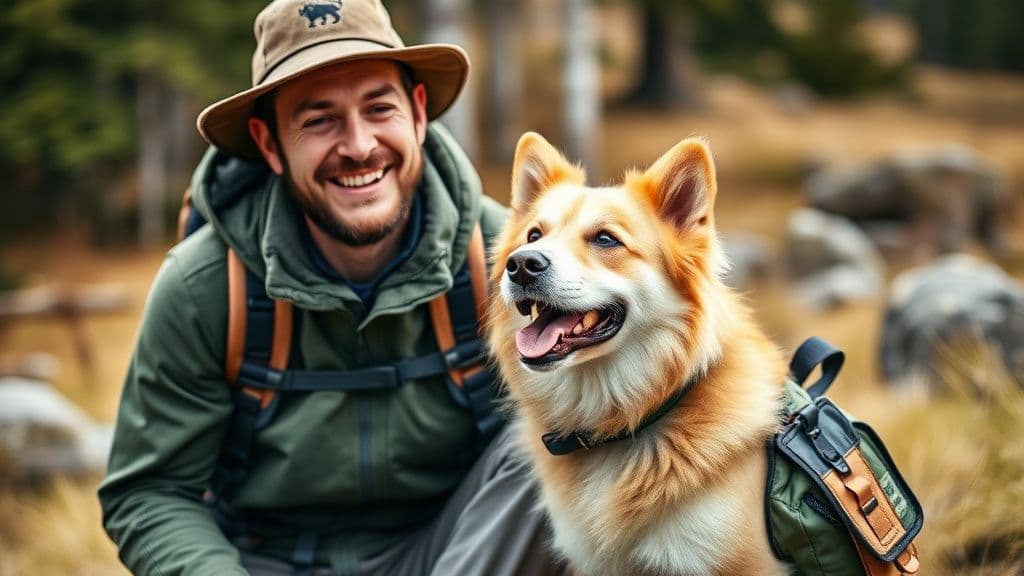
Discover must-have 2026 gear for safe, comfortable spring hikes with your dog.
For a safe and enjoyable spring 2026 hike with your dog, essential gear goes far beyond a basic leash. You need a durable, no-pull harness for control, a hands-free or bungee leash for comfort, and trail-specific items like collapsible water bowls, portable food containers, and protective gear such as dog boots and sunscreen. Start training in controlled environments and always carry a canine first aid kit with a veterinary field guide.
The first warm breeze of spring has a magical effect on both ends of the leash. You feel the itch to explore new trails, and your dog is practically vibrating with anticipation at the front door. Spring 2026 promises longer days and perfect hiking weather, but a successful adventure requires more than just enthusiasm. A neighborhood stroll and a trail hike are completely different beasts. The right preparation and gear transform a potentially stressful outing into a joyful, bonding experience you will both remember. I have seen too many well-meaning owners hit the trail unprepared, leading to preventable discomfort or even danger for their pup. Based on the latest expert advice and gear reviews for the coming year, let us move past the basics and build a trail-ready kit that keeps safety, comfort, and fun at the forefront.
What is the Best Harness and Leash System for Trail Control?
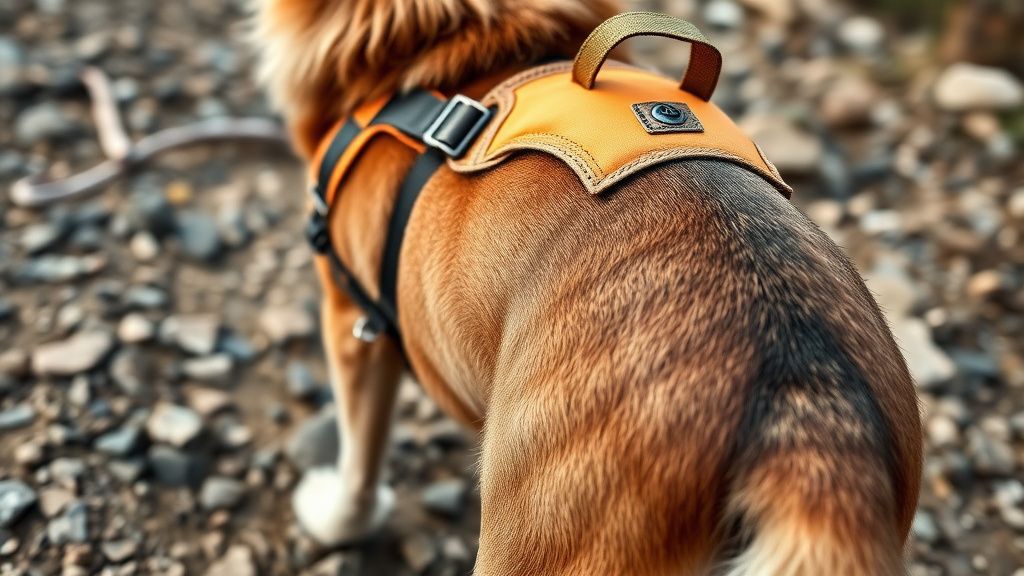
This is the cornerstone of your hiking setup. On a trail, you need more control and security than a simple collar provides. The research is clear: for hiking, a harness is superior. As one hiker noted about their puller, "I prefer to keep her in a harness rather than attaching a leash to her collar." A collar can put dangerous pressure on your dog's neck during pulls or stumbles, while a well-fitted harness distributes force safely across the chest and shoulders.
Experts point to two key harness features for 2026: a no-pull design and a handle. A front-clip harness, like the popular Ruffwear Front Range Reflective model mentioned in the research, gently discourages pulling by redirecting your dog's momentum sideways. The handle is a non-negotiable trail feature. It gives you a secure grip to help your dog over a log, up a steep bank, or quickly guide them away from a hazard.
Your leash choice is equally important. The standard six-foot leash is often too short for sniffing exploration and too long for secure scrambles. The solution is a versatile, hands-free system. According to the Hepper guide, a waist leash should be "slightly elasticated, like the Tuff Mutt Hands-Free Bungee Leash, otherwise, it'll be an uncomfortable walk for both of you." This bungee section absorbs the shock of sudden movements, saving your back and your dog's neck. Pair this with a convertible leash that can clip around your waist or be used hands-free, giving you the flexibility to use trekking poles, take photos, or have a secure hold when needed. This combination of a control-oriented harness and an adaptable, shock-absorbing leash forms the foundation of trail safety.
How Do You Keep Your Dog Fueled and Hydrated on the Trail?
Hiking is strenuous work. Your dog will burn significantly more calories and need more water than on a typical walk. Dehydration and low energy can sneak up quickly, turning an eager hiker into a lethargic companion. Planning for nutrition and hydration is not an extra step; it is a core responsibility.
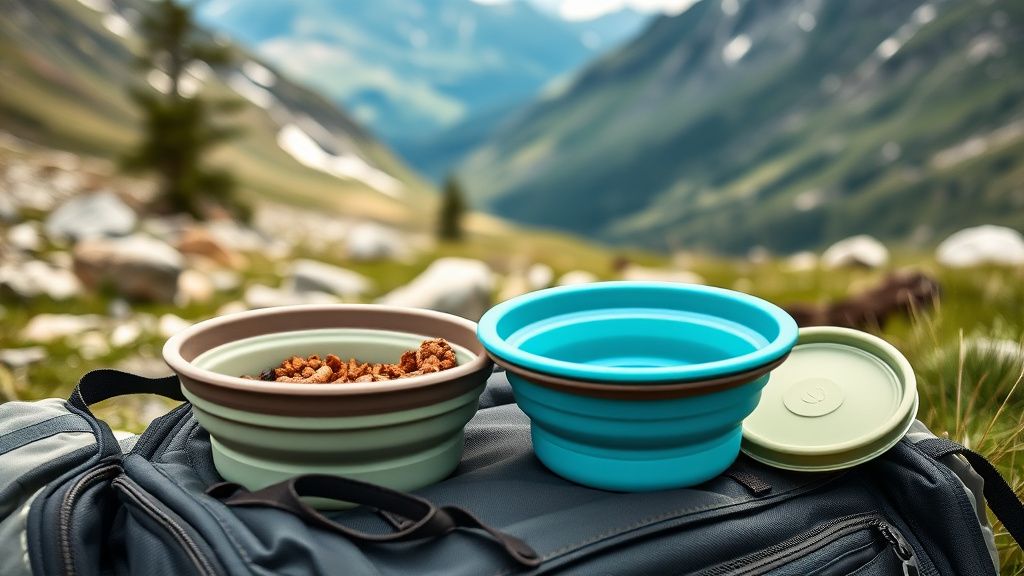
Portability is the name of the game. As highlighted by Rubyloo, hiking requires "collapsible water bowls, portable food containers, and hands-free leash systems designed for trail use." A silicone collapsible bowl is light, clips to your pack, and unfolds in seconds. I never hit the trail without two: one for water and one for food. For water, a general rule is that dogs need about one ounce per pound of body weight per day, plus much more for activity. I plan for at least 8 ounces of water per hour of moderate hiking for my active dog, and I always carry extra.
for food, do not rely on pouring kibble from a giant bag. Use a lightweight, airtight container to portion out meals or high-value snacks. This keeps food dry, fresh, and easy to access. For longer hikes, consider high-energy, portable best dog treats like freeze-dried liver or special hiking snacks. Think of them as your dog's energy bars. If you use a dog food delivery service for meals at home, you can easily portion some of that fresh food into a trail container. The key is to offer small, frequent snacks and water breaks rather than one big meal, which can cause discomfort or bloat during activity.
What Protective Gear is Non-Negotiable for Spring Hikes?
Spring trails can be deceptive. Sunny meadows give way to muddy patches, residual snow, and abrasive terrain. Protective gear acts as your dog's insurance policy against the elements and trail hazards.
Let us start with paw care. Trails in spring can be littered with sharp thawing debris, rough rock, and irritating salt or mud. Dog boots are not a fashion statement; they are a functional shield. As PetMD advises, equipment like "dog boots" can be essential. They protect from cuts, prevent snow and ice from balling up between pads, and offer insulation from hot ground later in the season. Even if your dog does not wear them the whole time, having boots in your pack for treacherous sections is smart.
Next, consider sun protection. Yes, dogs get sunburned, especially those with short, light-colored coats or pink skin on their nose and belly. PetMD explicitly lists "sunscreen" as part of the additional hiking equipment to consider. Use a pet-safe sunscreen on vulnerable areas.
Finally, think about visibility and identification. Spring weather can change rapidly, and low light or fog can descend quickly. A reflective harness or collar is vital. More importantly, ensure your dog's ID tags are secure and legible. As Chewy's safety tips state, you must always bring "ID tags." I also recommend a temporary trail tag with your cell phone number, in addition to their permanent tag. For the ultimate in safety, a GPS tracking device attached to their collar can provide peace of mind if your adventurous explorer gets distracted and wanders off trail.
What Should Be in Your Canine Trail First Aid Kit?
Accidents happen. A scraped pad, a torn claw, or an insect sting can occur no matter how careful you are. Your ability to respond quickly on the trail can prevent a minor issue from becoming a major crisis. Your dog's first aid kit is as important as your own.
Your kit should be lightweight, waterproof, and tailored to your dog. Start with the basics: gauze pads, self-adhering vet wrap (which sticks to itself but not fur), antiseptic wipes, tweezers for removing splinters or ticks, and a pair of blunt-end scissors. Include a spare slip lead, which can function as a muzzle if your dog is in pain and needs treatment, or as a backup leash.
The most insightful piece of advice from the research comes from Novice2Hiking, which recommends a kit that "comes with a field reference book written by a veterinarian to help you act fast under pressure." This is a breakthrough. Having step-by-step instructions for CPR, treating wounds, or recognizing heatstroke can guide you through a panic-inducing situation. You can build your own kit and add a vet-authored guide, or purchase a pre-made canine-specific kit that includes one.
Remember to pack any regular medications your dog takes, and consider adding a dose of an antihistamine if your vet approves it for potential allergic reactions. Check your kit before each hiking season and replace any expired items. Knowing you are prepared allows you to hike with more confidence.
How Should You Prepare Your Dog for the Trail?
The most expensive gear in the world will not help if your dog is not physically or mentally ready for the trail. Conditioning is a gradual process. The Wilderdog bucket list guide offers perfect advice: "Start small in controlled environments, then gradually add space, movement, and excitement."
Do not make a five-mile mountain trek your dog's first hike. Begin with short, flat trails close to home. This lets your dog acclimate to the new sights, smells, and sensations while you test your new gear. Pay close attention to their paw pads, which need to toughen up. Gradually increase distance and elevation over several weeks.
Work on essential trail commands in your backyard or on quiet walks. A solid "leave it" can prevent them from eating something dangerous. A reliable "wait" or "stop" at trail junctions is crucial for safety. Practice walking politely on the new harness and hands-free leash system before you are on a narrow cliffside path.
Finally, get veterinary clearance, especially for older dogs or those with health conditions. Ensure your dog is up to date on vaccines and parasite prevention, as trails expose them to ticks, fleas, and wildlife. This foundational work is what makes the gear effective. It builds your dog's stamina and your confidence as a handler, leading to the ultimate payoff: more freedom on trail and safer adventures all around.
Final Thoughts
Gearing up for spring 2026 hikes with your dog is an investment in countless future adventures. It is about foresight, not fear. By choosing a control-oriented harness and a comfortable hands-free leash, you build a foundation of safety. By packing smart with collapsible bowls and portable food, you ensure they have the energy to enjoy the journey. By adding protective boots, sunscreen, and a comprehensive first aid kit with a vet guide, you prepare for the unexpected. And by patiently conditioning your dog, you build a trail partnership based on trust.
The goal is not to burden yourself with a heavy pack, but to carry the right tools that grant you both freedom and peace of mind. With this approach, you are not just going for a walk in the woods. You are creating shared memories, strengthening your bond, and unlocking a world of exploration that you and your best friend can enjoy together, one trail at a time. For more ideas on engaging your adventurous pup at home, check out our picks for the best dog subscription boxes that deliver monthly excitement right to your door.
Recommended Products



Find the Perfect Box for Your Dog
Compare top-rated dog subscription boxes and find the best fit for your pup.
Compare Boxes