Find Your Dog's Pool Exit Safely
Ensure your dog's pool safety by mastering the crucial skill of finding and using the exit every time.
Teach your dog to find the pool exit by installing a clear visual marker, like a large plant or flag, near the steps or ramp. Use a leash to gently guide them into the water, consistently use a command like "steps," and let them practice finding and using the exit point multiple times until they are confident and independent.
There's nothing quite like watching your dog discover the joy of a pool on a hot day. That first splash, the look of surprise, and the ensuing paddle of pure delight is a summer highlight. But that joyful scene can turn dangerous in seconds if your dog doesn't know how to get out. Many dog parents assume their natural paddler will figure it out, but the reality is different. A pool's smooth walls offer no purchase, and from a dog's eye level in the water, the deck can look like an insurmountable cliff. This isn't about spoiling the fun, it's about building the foundation for safe, confident swimming. Teaching your dog to find and use the exit is the single most important pool safety skill you can give them. I've seen too many close calls that could have been avoided with a little proactive training. Let's make sure every splash session ends with a happy, tired dog climbing out on their own terms.
Why Can't My Dog Just Find the Steps?
It seems so obvious to us. We see the steps, the ladder, the ramp. But from in the water, your dog's perspective is completely different. Understanding this is the first step to being an effective teacher.
Their instinct works against them. According to Bark Busters, your dog will instinctively try to exit a body of water from the point of entry. If they jumped in one spot, they'll swim back to that same spot on the wall, frantically pawing at the tile, expecting to find a way out. In a pool, that spot is usually a sheer wall. They can't see the stairs while swimming. As Priority Pet Hospital points out, the water line and the angle make the steps virtually invisible to a swimming dog. What looks like a clear path to us is just more water and wall to them. This is why so many dogs, even strong swimmers, panic and tire themselves out swimming along the perimeter. Physical limitations are real. Pool ladders are almost impossible for dogs to use, and even steps can be challenging. As noted by Chewy, stairs are much better than ladders, but many dogs are not physically strong enough to climb out alone. Their bodies aren't built for hoisting themselves up like we are. They need a clear, gradual incline like a ramp or very wide, shallow steps.The panic that sets in when they can't find a way out is real and dangerous. It turns a fun activity into a traumatic event that could make them fear water forever, or worse, lead to drowning. This is why the training we're about to cover is non-negotiable.
Setting the Stage: Safety Before the First Splash
Before you even think about getting your dog's paws wet, you need to audit your pool area. This is about creating a safe environment that supports the training.
Secure the perimeter. The guide from Rubyloo is adamant about this: install proper barriers. A fence with a self closing, self latching gate is the best way to prevent unsupervised, and potentially tragic, access. This isn't just for your dog, it's for every dog or child that might visit. Never assume your dog won't go near the pool alone. Choose and mark the exit point. This is your most important pre training task. The Arizona Humane Society advises picking one consistent spot for your dog to enter and exit. This reinforces the location and prevents chaotic jumping in. Then, make that spot unmissable.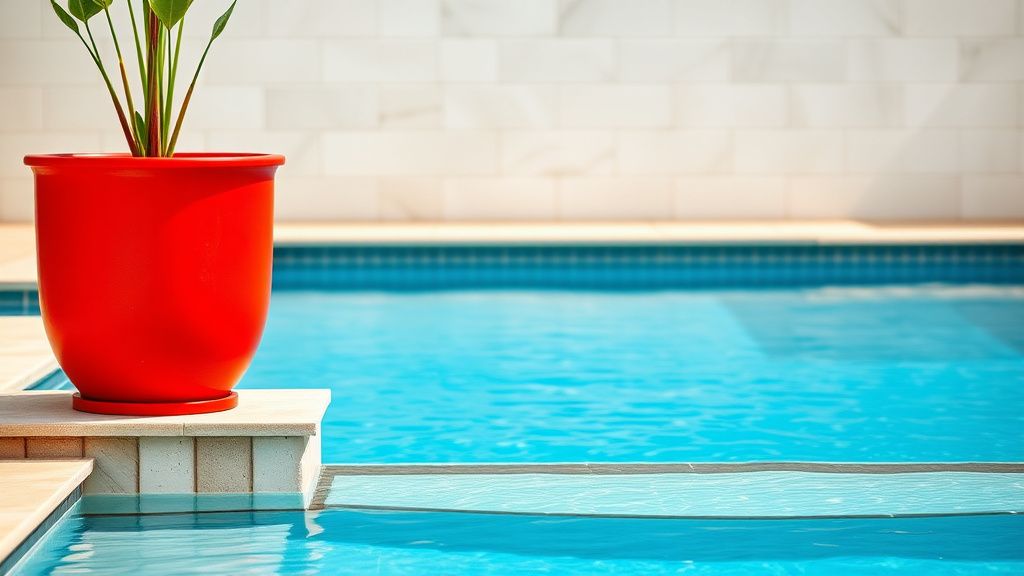
* Place a large, unique visual marker right at the exit. As several sources, including Priority Pet Hospital and Barkley & Paws recommend, this could be a big potted plant, a distinctive patio chair, a flagpole, or even a brightly colored garden statue.
* Ensure the exit itself is dog friendly. A gently sloping ramp is ideal. Wide, shallow steps are the next best option. Avoid areas with only ladders or sheer walls.
Gather your gear. You'll need:* A well fitting harness (not a collar, to avoid neck strain).
* A sturdy, non retractable leash.
* Your dog's absolute favorite, high value treats. This is a perfect time to break out those special rewards you save for big wins, perhaps from a dog subscription box that delivers novel, exciting options.
* A towel and a positive, patient attitude.
The Step-by-Step Training Protocol
Now for the hands on part. This process requires patience. Go at your dog's pace, and keep every session short, positive, and rewarding. The method outlined by Southern California Golden Retriever Rescue is an excellent blueprint.
Step 1: Introduce the Exit on Dry Land.Start with your dog on leash. Walk them to the visual marker and the steps. Let them sniff. Use a clear, consistent command like "Steps" or "Out." Give them a treat when they touch the marker or put paws on the first step. Do this several times from different angles on the deck, always ending at the marked exit. You're building a positive association.
Step 2: The First Controlled Entry.Never, ever throw your dog into the pool. As Gause Boulevard Veterinary stresses, this is scary and dangerous. With the leash attached, gently lift and place your dog in the water with their back feet on the top step, so they can feel the security of it immediately. Praise them calmly. Then, use your command: "Buster, Steps!" Guide them up and out with the leash if needed, and reward lavishly the moment all four paws are on the deck.
Step 3: Increasing the Distance.Once they're comfortable being placed on the steps, place them in the water one step away from the exit, facing it. Use your command and encourage them to swim that short distance to the steps and climb out. Reward. Gradually increase the distance you place them from the exit, always ensuring they are successful. The team at Suburban K9 emphasizes that it's okay for them to make mistakes here. If they swim to the wrong wall, gently use the leash to guide them back toward the marker, but let them figure out the final approach.
Step 4: Practicing from Different Angles.Dogs won't always enter the water right next to the exit. Practice placing them in the pool at different points along the edge, always directing them back to the marked exit. This teaches them that no matter where they are, "Out" means swim to the big plant and use the steps.
Step 5: The Independent Test.This is the final exam. With the leash off but you closely supervising, encourage your dog to enter the water from a designated spot (not the exit). Let them swim around briefly, then call them to the exit using your command. They should swim directly to the marker and climb out. Practice this regularly, as Oasis Biosistema recommends, until your dog is completely confident.
Beyond the Basics: Year-Round Pool Safety
Teaching the exit is the core skill, but true safety is an ongoing practice. Here are essential habits to maintain.
Constant Supervision is Non-Negotiable.Treat your dog like a toddler around the pool. If they are outside, your eyes should be on them. Drowning is often silent and quick. A dog in trouble may not splash or bark.
Post-Swim Care is a Must.Rinse your dog with fresh water after every swim to remove chlorine or salt, which can dry and irritate their skin and coat. Dry their ears thoroughly to prevent infections. All that swimming builds a serious appetite, so follow up their aquatic adventure with a nutritious meal. Whether you serve a fresh dog food for easy digestion or a freeze-dried dog food for a protein packed boost, good fuel helps them recover.
Know Your Dog's Limits.Not every dog is a natural swimmer. Brachycephalic breeds (like Bulldogs or Pugs), heavy chested breeds, and very young or old dogs need extra caution and may require a canine life jacket. Even strong swimmers get tired. Limit sessions and watch for signs of exhaustion like slowed paddling or a lowered back end in the water.
Prepare for the Unexpected.Keep a long pole or a buoyant ring by the pool in case you need to assist a dog in distress. Learn canine CPR. Ensure everyone in the household knows and uses the pool rules for the dog. A moment of inattention is all it takes.
What If My Dog is Scared of the Pool?
Some dogs are hesitant, and that's okay. Forcing them will only cement the fear. You can build positive associations by:
* Letting them explore the empty pool with treats scattered on the steps.
* Placing a favorite toy near the water, then on the first step.
* Sitting with them on the top step with just their paws in the water, offering praise and treats.
* Using a kiddie pool as a zero pressure introduction to water play.
For dogs with significant anxiety around water or separation, our dog anxiety guide offers strategies that can be applied to this specific fear.
Final Thoughts
A pool can be a source of incredible exercise and bonding for you and your dog, but it demands respect. The work you put into teaching a reliable exit strategy transforms a potential hazard into a safe playground. It's not a one time lesson, but a lifelong skill you reinforce each season. Remember the core pillars: a physical barrier, a clearly marked exit, patient leash guided training, and relentless supervision. When you see your dog confidently paddle to that bright flag and hoist themselves out, shaking off a spray of water with a happy grin, you'll know the effort was worth it. That's the sign of a safe, happy, and pool smart pup, ready for a summer of safe splashing. Now, who's ready for a swim?
Find the Perfect Box for Your Dog
Compare top-rated dog subscription boxes and find the best fit for your pup.
Compare Boxes