Home Remedies For Dog Hotspots In 2026
Soothe your pup's hot spots fast with 2026's proven at-home remedies using smart tech and natural solutions.
You can treat mild dog hot spots at home by carefully clipping the fur around the area, gently cleaning the lesion with a approved by veterinarians antiseptic solution, applying a topical treatment like Vetericyn spray, and most importantly, preventing your dog from licking or scratching the spot with an e-collar or protective covering. If the hot spot is large, deep, smells bad, or doesn't improve within a day or two, see your veterinarian immediately.
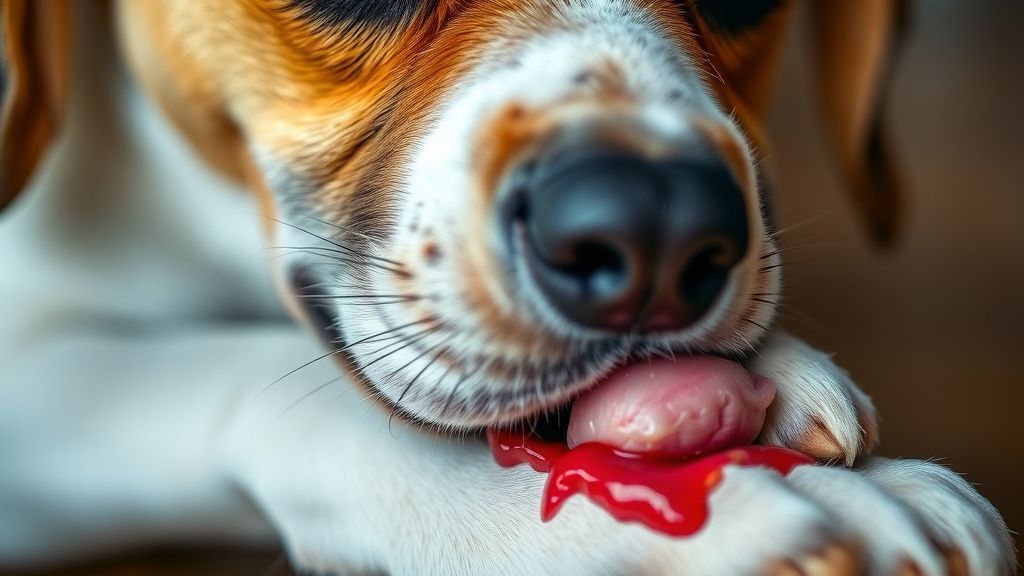
Few things are more distressing than noticing your dog obsessively licking or chewing at one spot, only to find a raw, angry-looking sore developing right before your eyes. These painful skin lesions, commonly known as hot spots, can seem to appear out of nowhere and worsen with shocking speed. As a dog owner who has dealt with this frantic scratching more than once, I know the immediate urge is to find a safe, effective way to bring your pup relief. The good news is that for early, mild cases, home treatment is often possible and successful. With the right approach and products, you can help soothe your dog's discomfort and get that inflamed skin on the path to healing.
What Exactly Are Hot Spots on Dogs?
Let's clear up the terminology first. While we call them hot spots, your veterinarian might use the term "acute moist dermatitis" or "pyotraumatic dermatitis." The name "hot spot" comes from the actual warmth the inflammation generates at the site. It's a localized area of skin infection and inflammation that becomes moist, red, and very painful.

Think of it as a vicious cycle your dog starts and can't stop. Something triggers an itch maybe a flea bite, a bit of moisture trapped in the fur, or a minor scrape. The dog licks or scratches that itchy spot, which breaks the skin's protective barrier. Bacteria that normally live harmlessly on the skin surface are introduced into the deeper layers, causing an infection. This infection is intensely itchy and painful, prompting even more licking and chewing. As noted by veterinarian Carolina Domingues, this cycle means "hotspots can worsen rapidly once a dog starts licking or scratching the area." What begins as a small red patch can expand into a large, weeping sore in just a few hours.
Certain dogs are more predisposed to this condition. According to Cornell University College of Veterinary Medicine, hot spots are most common in dogs with long or thick coats, such as Newfoundlands, German Shepherd Dogs, and Golden Retrievers. The dense fur can trap moisture, allergens, and debris close to the skin, creating the perfect environment for that itch-scratch cycle to begin.
Step-by-Step Guide to Treating Hot Spots at Home
If you catch the lesion early and it's small and superficial, you may be able to manage it at home. The key is a systematic approach. Rushing to apply a cream without proper preparation can trap bacteria and moisture under the fur, making things worse. Here is the process experts recommend.
Step 1: Safely Trim the Surrounding Fur
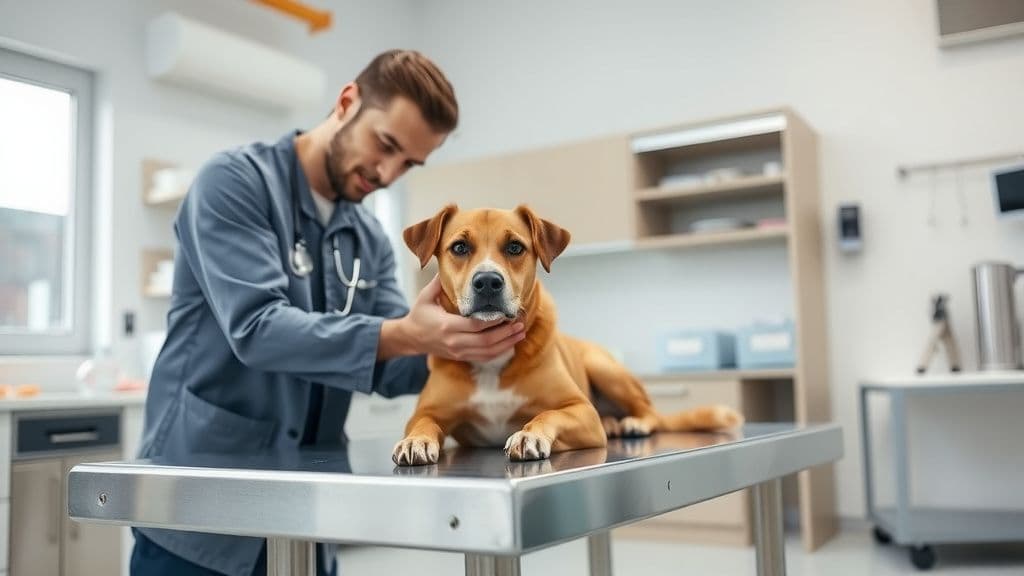
Your first task is to get visual and physical access to the entire affected area. The matted, wet fur around a hot spot holds moisture and bacteria against the skin. Using blunt-nosed grooming scissors or clippers, carefully trim the hair around the hot spot, extending about an inch beyond the reddened skin. This allows air to reach the wound, promotes drying, and lets you apply treatments directly to the skin. Be extremely gentle, as the area is very tender. If the hot spot is large or your dog is too painful, it's best to let a veterinarian or groomer handle this step.
Step 2: Gently Clean the Area
Once the skin is exposed, you need to clean away the discharge, bacteria, and debris. Use a mild, veterinary-approved antiseptic solution. Many veterinarians recommend diluted chlorhexidine or povidone-iodine solutions. You can also use a sterile saline wash. Soak a clean gauze pad or soft cloth in the solution and dab the area gently. Avoid rubbing, which will cause more irritation. The goal is to disinfect without causing further trauma. Pat the area dry with a fresh, clean paper towel.
Step 3: Apply a Topical Treatment
After cleaning and drying, it's time to apply a product designed to soothe and heal. Look for veterinary-formulated sprays or gels. A product like Vetericyn Plus Antimicrobial Hydrogel is often recommended because, as noted in a 2026 review, "the spray must contact the skin directly to work." The hydrogel format can be particularly useful as it adheres to the skin, providing lasting relief and a protective barrier. Other options include over-the-counter antibiotic creams containing bacitracin, neomycin, and polymyxin B, but always check with your vet first, as some dogs may lick or react to certain ingredients. Natural remedies with antibacterial properties, such as diluted apple cider vinegar (which has demonstrated antimicrobial potential in studies) or aloe vera gel, can be considered for very mild cases, but their effectiveness varies.
Step 4: The Most Critical Step: Prevent Licking
This step cannot be overstated. All your careful cleaning and treatment will be undone in seconds if your dog can lick the area. The saliva contains bacteria that will reinfect the wound, and the mechanical action of the tongue re-injures the delicate healing tissue. You must break the cycle. The most reliable tool is an Elizabethan collar (the classic "cone of shame"). There are also softer inflatable or fabric "donut" collars that may be more comfortable for some dogs. The collar should stay on anytime you cannot directly supervise your dog, including during sleep, until the hot spot is fully healed.
What Causes Hot Spots in the First Place?
Treating the hot spot addresses the symptom, but to prevent recurrence, you need to understand the trigger. Hot spots are a secondary condition, meaning they result from an underlying problem that caused the initial itch.
Common primary causes include:
* Flea Allergies: A single flea bite can trigger a massive allergic reaction in sensitive dogs, leading to frantic chewing at the base of the tail or hindquarters.
* Environmental Allergies (Atopy): Pollen, mold, dust mites, and grasses can cause generalized itching that a dog focuses on one area.
* Food Allergies or Sensitivities: Ingredients in your dog's diet can manifest as itchy skin.
* Ear Infections: A dog with a painful, itchy ear may scratch at it so vigorously that they create a hot spot on the cheek or neck.
* Moisture Trapped in the Coat: Swimming, bathing, or even rain without proper drying can macerate the skin, especially in thick-coated breeds.
* Boredom, Anxiety, or Stress: Compulsive licking, often of the paws or wrists, can start as a behavioral issue and evolve into a hot spot. If your dog seems anxious, our dog anxiety guide offers helpful strategies.
* Minor Wounds or Insect Bites: A small scrape or sting can be the starting point.
Identifying and managing these root causes is your long term strategy for a hot spot free dog.
When Should You Absolutely See a Vet?
Home care has its limits. Knowing when to seek professional help is crucial for your dog's health and comfort. Contact your veterinarian if:
* The hot spot is very large, deep, or spreading rapidly.
* Your dog seems lethargic, has a fever, or loses their appetite.
* The lesion develops a foul odor or produces thick, pus-like discharge.
* You see no improvement within 24-48 hours of starting home care.
* The hot spot keeps recurring in the same spot or in multiple places.
* Your dog is in significant pain and won't let you touch the area.
A veterinarian can provide stronger prescription treatments. These often include a course of oral antibiotics to tackle a deep infection, anti-inflammatory medications (like steroids) to rapidly reduce the intense itching and swelling, and potentially a medicated topical spray or cream. They can also perform tests, like skin cytology, to identify the specific bacteria or yeast involved and recommend the most effective treatment. Most importantly, they can help you investigate the underlying allergy or condition that triggered the hot spot.
Preventing Future Hot Spots: A Proactive Plan
Prevention truly is the best medicine for hot spots. A consistent, proactive care routine makes a world of difference.
Establish a Grooming Routine: Regular brushing is essential, especially for thick or double coated breeds. It removes dead hair, distributes natural skin oils, and prevents mats that trap irritants. After baths or swimming, ensure your dog is thoroughly dried, paying special attention to areas like the armpits, under the collar, and between the toes. The Animal Humane Society emphasizes forming "a grooming routine that works best for your particular breed." Manage Allergies: If allergies are the suspected culprit, work with your vet on a management plan. This could involve prescription allergy medication, immunotherapy (allergy shots), or a dietary trial with a fresh dog food or novel protein diet to identify food triggers. Regular flea prevention is non-negotiable for all dogs, but especially for those with flea allergy dermatitis. Provide Mental and Physical Enrichment: For dogs who lick out of boredom or stress, increase their daily exercise and mental stimulation. Puzzle toys, training games, and interactive play can redirect nervous energy. Consider a dog subscription box that delivers new toys and chews monthly to keep their mind engaged and their mouth busy on appropriate items instead of their own skin. Maintain Overall Skin Health: A healthy diet rich in omega-3 fatty acids can support skin integrity and reduce inflammation. Ensure your dog is on a balanced and complete diet that agrees with them. High value best dog treats used during training should also be simple and not contain common allergens if your dog is sensitive.Final Thoughts
Dealing with a hot spot can feel like a frantic race against your dog's own instincts. Remember the core principles: stop the cycle, treat the spot, and find the cause. With prompt and careful attention, many mild hot spots can be successfully managed at home, saving your dog discomfort and giving you peace of mind. However, never hesitate to partner with your veterinarian. They are your best ally in treating severe cases and, more importantly, in uncovering the root cause to prevent that miserable itching from starting in the first place. By combining vigilant home care with professional guidance, you can help your furry friend stay comfortable, happy, and free from those painful, itchy sores.
Recommended Products



Find the Perfect Box for Your Dog
Compare top-rated dog subscription boxes and find the best fit for your pup.
Compare Boxes