Prevent Heatstroke On Dog Hikes
Keep your pup safe on the trail by learning the critical signs of heatstroke and how to prevent it before your next hike.
Heatstroke in dogs is a serious, often preventable medical emergency that occurs when a dog's body temperature rises to dangerous levels. To prevent it on trails, hike during cooler parts of the day, prioritize shaded routes, bring ample fresh water, and know your dog's limits. Immediately act if you see signs like excessive panting, weakness, or disorientation by moving your dog to shade, applying cool water to their belly and paw pads, and offering small sips of water.
There's nothing quite like the shared adventure of hitting the trail with your dog. Watching them bound through meadows, sniff every intriguing scent, and splash through a creek is pure joy. It’s a fantastic way to bond and provide both physical and mental stimulation that a simple neighborhood walk just can't match. But as the temperatures climb, that fun outing can quickly turn dangerous. I've seen too many enthusiastic pups and their owners underestimate the summer sun. Heatstroke isn't just a minor inconvenience. It's a life threatening condition that requires immediate action. Every year, veterinarians treat hundreds of dogs suffering from heatstroke, and the heartbreaking part is that in most cases, it is entirely preventable. Our dogs trust us to keep them safe, and a big part of that responsibility is understanding the risks, recognizing the warning signs, and knowing exactly what to do before you ever lace up your hiking boots. This guide is your trail map to a safer, cooler, and much more enjoyable hiking season with your best four legged friend.
What Exactly Is Heatstroke in Dogs?
Let's start with the basics. Heatstroke, also known as hyperthermia, happens when a dog's internal body temperature rises to a level where normal cooling mechanisms fail. Unlike humans, dogs don't sweat efficiently. They rely primarily on panting to cool down, and they can only do so much, especially in high humidity or during intense exercise. When the heat generated by their muscles and environment overwhelms their ability to shed it, their temperature skyrockets. This can lead to catastrophic damage to their internal organs, including the brain, kidneys, and liver. It's a progressive emergency. What begins as simple heat exhaustion can rapidly escalate to full blown heatstroke. It's crucial to understand that dogs are more susceptible to heatstroke than humans. So if you're feeling hot on the trail, your dog is very hot. They aren't just being dramatic if they stop for a break. They're communicating a real physical need.
How Hot Is Too Hot for a Dog Hike?
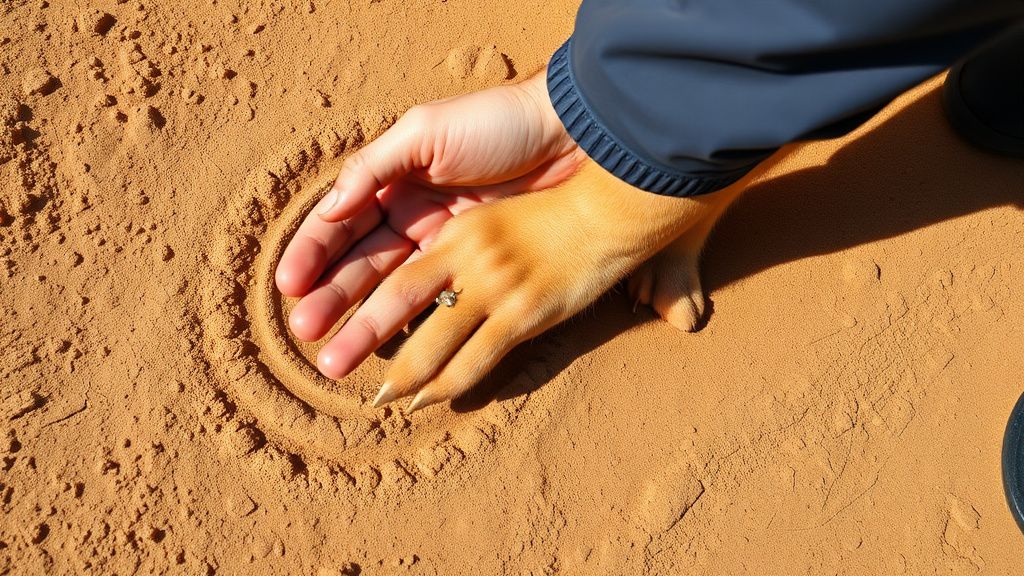
This is the million dollar question, and the answer isn't just about the thermometer reading. It involves a combination of factors. A general rule many hikers follow is the "100 degree rule." If the air temperature plus the humidity percentage equals 100 or more, conditions are too dangerous for strenuous exercise. For example, a 75 degree day with 80% humidity equals 155, which is a high risk scenario. But let's get more specific. You should reconsider hiking when temperatures exceed 80 degrees Fahrenheit, especially if the trail is exposed to direct sun. Pavement and sand can be significantly hotter than the air, burning paw pads and radiating heat upward. Always do the seven second test. Place the back of your hand on the trail surface. If you can't hold it there comfortably for seven seconds, it's too hot for your dog's paws. Plan your activities during the cooler parts of the day, like early morning or late evening, and always opt for shaded trails if you'll be outdoors during the midday heat. Some dogs need extra caution. Flat faced breeds like bulldogs and pugs, senior dogs, puppies, overweight dogs, and those with thick coats or pre existing health conditions are far more susceptible to heatstroke. Their limits are much lower, and they require frequent, extended breaks in cool spots.
What Are the Critical Signs of Heatstroke on the Trail?
Recognizing the early and late stage symptoms of heatstroke can save your dog's life. You must stay vigilant and constantly assess your dog's condition. This means watching more than just their pace. Stay aware of how much your dog is panting and if they are stopping frequently for breaks or laying down for a rest while hiking. These are all indicators that your dog may be hot or tired and needs a rest or to cool down.
Early Warning Signs:* Excessive, heavy panting that doesn't slow down when they rest.
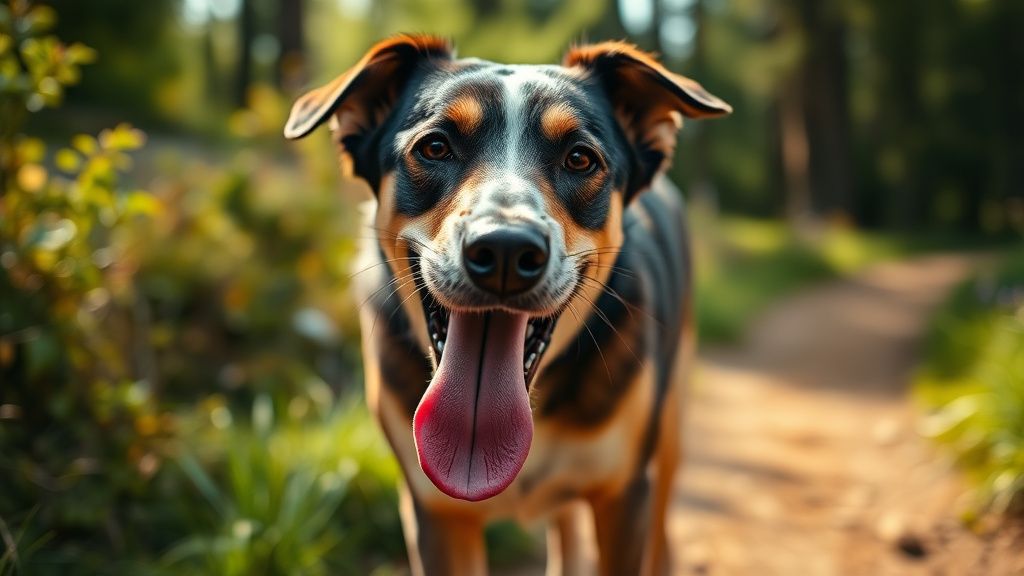
* Bright red gums and tongue.
* Thick, sticky saliva.
* Seeking shade or trying to lie down and not get back up.
* Appearing less responsive to commands, seeming "out of it."
Signs of a Medical Emergency:* Purple or blue colored gums (indicating a lack of oxygen).
* Vomiting or diarrhea.
* Staggering, weakness, or collapse.
* Disorientation or confusion.
* Seizures.
* Loss of consciousness.
If you notice any of these emergency signs, you must act immediately. Do not wait until you get back to the trailhead. Your dog needs help right now.
What Should You Do If Your Dog Shows Signs of Heatstroke?
This is where your knowledge turns into lifesaving action. Every second counts. Follow these steps precisely.
1. Stop and Move: Get your dog out of the sun and off the hot ground immediately. Carry them to a shaded, cool area if possible.
2. Start Cooling: Begin the cooling process right away. Apply cool (not ice cold) water to their belly, armpits, and paw pads. These areas have less fur and more blood vessels close to the surface, which helps lower core temperature. You can use your drinking water, a stream (if you have no other option), or a dedicated cooling towel. Do not use ice or ice water, as this can cause blood vessels to constrict and trap heat inside.
3. Promote Airflow: Keep air moving around them. Fan them with a map, your hat, or a portable battery operated fan. Evaporation is a key part of cooling.
4. Offer Small Sips: Let your dog drink small amounts of cool, fresh water. Do not let them gulp large amounts quickly. If they won't drink, you can wet their tongue and gums.
5. Call for Help and Transport: Contact the nearest emergency veterinarian while you are initiating cooling. Tell them you suspect heatstroke and are on your way. Continue cooling efforts during the car ride, but do not delay transport. Even if your dog seems to recover, internal damage may have occurred, and they need professional assessment.
How Can You Prevent Heatstroke Before and During Your Hike?
Prevention is always better than emergency treatment. A little planning makes all the difference.
Before You Go:* Check the Forecast: Look at the full day's temperature and humidity, not just the start time. A hike that starts cool can end in a heat trap.
* Condition Your Dog: Ensure your dog is physically fit for the distance and elevation. A dog used to short walks will struggle on a long, hot trail. Gradually build their endurance.
* Pack Smart: Your pack should include:
* More water than you think you need: A general guideline is at least 8 ounces of water per hour of hiking for a medium sized dog. Bring a collapsible bowl.
* A cooling vest or bandana: Soak these in water before you go.
* A basic canine first aid kit.
* High value, easy to digest treats to keep their energy up. Think single ingredient treats like freeze dried liver, which are light and packed with motivation. For a convenient way to discover new, healthy trail treats, consider a best dog subscription boxes service that often includes perfect hiking snacks.
On the Trail:* Hydrate Frequently: Offer water every 15 20 minutes. Don't wait for your dog to ask. Let them drink from your clean water and bowl. It's best to avoid natural water sources. They may contain bacteria or parasites.
* Take Constant Breaks: Stop in the shade every 10 15 minutes for a minute or two. Feel their ears and paw pads. If they feel very warm, it's time for a longer cooldown.
* Adjust Your Pace: Let your dog set the pace. If they are lagging, respect their need to slow down. The hike is for them, too.
* Use the Terrain: Walk on grass or dirt instead of rock or sand when possible. Seek out streams for safe, supervised wading.
* Fuel Wisely: A big meal right before a hike can make a dog sluggish and increase metabolic heat. Opt for a smaller portion of their regular fresh dog food or a light snack beforehand, and save the main meal for after you've cooled down at home.
Final Thoughts
Hiking with your dog through the summer months is absolutely achievable and wonderfully rewarding, but it requires a shift in mindset from the cooler seasons. Your role becomes less of a hiking partner and more of a vigilant guardian, constantly monitoring the environment and your dog's subtle cues. Remember, our dogs live to please us. They will often push themselves past their limits just to stay by our side, especially on an exciting trail. It's our job to be their advocate, to know when to turn back, and to prioritize their wellbeing over reaching the summit. By packing plenty of water, planning for shade, recognizing the early signs of distress, and having an emergency plan, you're not just preventing heatstroke. You're ensuring that every adventure ends with a happy, tired dog curling up safely at home, dreaming of the next trail. For more tips on keeping your adventurous pup happy and healthy, explore our guide on managing canine stress in new environments. Now, get out there, stay cool, and make some beautiful summer memories together.
Find the Perfect Box for Your Dog
Compare top-rated dog subscription boxes and find the best fit for your pup.
Compare Boxes