Track Your Dog's Heat Cycle Accurately

Track your dog's heat cycle with our easy calculator for better care and planning.
A dog heat cycle calculator is an online tool that predicts your female dog's next heat date and fertile window. You typically input the start date of her last cycle, and optionally her breed size, age, and average cycle length. It provides an estimated timeline to help you plan for her care, safety, and potential breeding.
If you're caring for a female dog, understanding her reproductive cycle is one of the most important responsibilities you have. It affects her behavior, her health, and your daily routine. For years, I've spoken with owners who felt caught off guard by their dog's dog heat cycle calculator, scrambling to manage the sudden changes. Today, we have fantastic digital tools at our fingertips that take the guesswork out of tracking. In this review, we'll explore dog heat cycle calculators, how they work, and how they can make you a more prepared and confident pet parent. We'll also look at how managing her cycle fits into a complete care plan, from nutrition to comfort.
What is a Dog Heat Cycle Calculator?
At its core, a dog heat cycle calculator is a simple yet powerful predictive tool. You feed it specific information about your dog's last cycle, and it provides a forecast for the next one. Think of it as a personalized calendar for your dog's reproductive health.
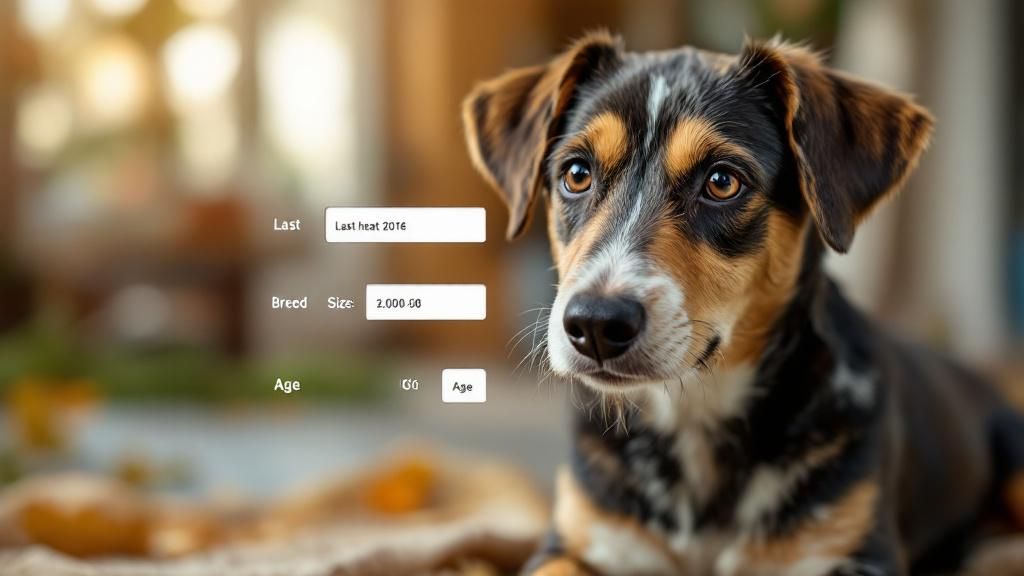
Most calculators function similarly. The primary data point is the start date of your dog's most recent heat. As noted by several sources, including ViviYard and Newtum, you simply enter that first day. Many calculators, like the one at Calculators for Dogs, go a step further. They allow you to input additional factors such as your dog's breed size, age, and even health conditions that might influence her cycle. The tool then processes this information against known canine reproductive patterns.
What do you get in return? A typical calculator will provide:
* The predicted start date of her next heat cycle.
* The estimated fertile window, which is the period when she can become pregnant.
* The projected end date of the coming heat.
* Some advanced calculators, like Calci Ireland's, will even provide an estimated due date if breeding occurred.
It's a proactive way to move from reacting to your dog's cycle to thoughtfully planning for it.
How Accurate Are These Calculators?
This is the crucial question. A calculator is an excellent planning assistant, but it is not a crystal ball. Its accuracy depends heavily on the consistency of your dog's individual cycle and the quality of the information you provide.

The average dog experiences two heat cycles per year, or about every six months. However, The Spruce Pets clearly states this can vary widely by breed. Smaller breeds can cycle as often as every four months, while some giant breeds may only cycle every 12 to 18 months. A basic calculator using a standard 180-day (six-month) default, as mentioned on ViviYard, will be less accurate for a dog that doesn't fit that mold.
This is why the best calculators ask for more data. Breed size is a major factor. A calculator that adjusts its algorithm for a Chihuahua versus a Great Dane will naturally be more reliable. Furthermore, a dog's cycle can be influenced by her overall health, nutrition, and even seasonal patterns, as considered by the Calculators for Dogs tool.
The consensus from all resources, including Breed.dog, is unambiguous: This tool provides an estimate based on common patterns. Individual dogs may vary. Always use the calculator's output as a guide, not a definitive medical schedule. For breeding purposes, especially, you must consult your veterinarian and use professional methods like progesterone testing. The American Kennel Club advises that testing for ovulation should begin by specific days of the cycle (like Day 6 for dogs with 10- to 12-day cycles), which is a precision a general online calculator cannot replace.
Top Features to Look For in a Heat Cycle Calculator
Not all calculators are created equal. Based on my review of the available tools, here are the features that separate the good from the great.
1. Customization OptionsThe most basic tool only asks for a start date. A superior calculator allows you to tailor the prediction. Look for one that lets you input or adjust:
* Your dog's breed or size category (small, medium, large, giant).
* Your dog's age.
* The average length of *her* cycles (if you know it differs from the standard).
* The typical duration of her estrus, or standing heat, phase.
2. Comprehensive OutputA simple date is helpful. A detailed timeline is empowering. The best calculators provide a full breakdown, including:
* Predicted start and end dates for the next cycle.
* The estimated fertile window (the "proestrus" and "estrus" stages).
* Care tips for each stage of the cycle.
3. Ease of Use and AccessibilityThe interface should be clean and intuitive. You shouldn't need to sign up or provide an email address to get a result. Tools like the one at Calculators for Dogs and Omni Calculator are free and instant, which is exactly what a busy dog owner needs.
4. Educational ValueSome calculators, like the one featured on Four Dog Paws, come with expert insights and guides. They explain the stages of the cycle (proestrus, estrus, diestrus, anestrus) and what to expect in each. This turns a simple tool into a learning resource, helping you understand the "why" behind the prediction.
Integrating Cycle Tracking into Your Dog's Care Routine
Knowing when your dog's next heat is due is just the first step. The real value is using that information to create a better, more comfortable experience for her and a less stressful one for you. Here’s how to build a complete care plan around her cycle.
Pre Cycle PreparationOnce you have a predicted date, mark your calendar. About a week before her heat is due, start your preparations.
* Stock Up on Supplies: Purchase doggy diapers or washable belly bands. Have extra enzymatic cleaner on hand for any accidents.
* Home Safety Check: Ensure your yard fencing is secure. Get into the habit of leashing her for all bathroom breaks, even in a fenced area, as her desire to roam will intensify.
* Comfort Items: Think about her comfort. A new, cozy bed or calming aids can be helpful. This is a perfect time to use a treat from a dog best dog subscription boxes as a special distraction or to introduce a new puzzle toy to keep her mind occupied.
Nutrition and Wellness SupportA dog's nutritional needs can subtly shift during her cycle due to hormonal changes. While not drastic, supporting her overall health is key.
* Maintain a Balanced Diet: Stick with her regular, high quality dog food. Avoid changing her diet during this already stressful time. If you use a dog food delivery service, ensure your schedule is updated so you don’t run out.
* Hydration is Key: She may drink more water. Always have fresh water available.
* Supplement Consideration: Some owners find that adding omega fatty acids can support skin and coat health, which may be affected. Always talk to your vet before adding any supplements.
During Her HeatYour calculated timeline will tell you when she's entering her fertile window. This is when you need to be most vigilant.
* Supervision is Non-Negotiable: Never leave her unattended in the yard. Keep her on a leash during walks, and avoid dog parks entirely.
* Manage Male Attention: You may notice male dogs lingering near your home. Be prepared for this increased attention.
* Monitor Her Closely: Watch for signs of discomfort, unusual discharge, or lethargy. While some change in behavior is normal, trust your instincts and call your vet if something seems wrong.
Beyond the Calculator: Understanding the Four Stages
To truly use a calculator effectively, you need to know what it's predicting. A dog's heat cycle has four distinct stages, as outlined by experts like those cited by Nishabd and Breed.dog. Knowing these helps you interpret the calculator's timeline and provide stage appropriate care.
Proestrus (The Start)This is the beginning, lasting about 7-10 days. You'll notice swelling of the vulva and a bloody discharge. She may attract male dogs but will not be receptive to them and may become irritable or clingy. Your calculator will mark the first day of this stage.
Estrus (The Fertile Stage)This is the "standing heat" phase, typically lasting 5-9 days. The discharge lightens in color, and she will now be receptive to males. This is the fertile window that all calculators strive to pinpoint. If you are not planning to breed, extreme caution is required.
Diestrus (The Recovery)Lasting about two months, this stage begins when she is no longer receptive. Her body returns to normal whether she is pregnant or not. Some dogs may experience a "false pregnancy" during this time, showing nesting behavior or even producing milk.
Anestrus (The Resting Phase)This is the quiet period between cycles, lasting until the next proestrus begins. It's a time of hormonal inactivity. This is the long stretch your calculator is predicting the end of when it gives you the date for the next cycle.
Final Thoughts
A dog heat cycle calculator is more than just a convenience, it's a tool that promotes responsible pet ownership. By giving you a clear, data driven forecast, it reduces anxiety and allows you to shift from crisis management to compassionate, planned care. It empowers you to keep your dog safe, comfortable, and healthy throughout her natural cycles.
Remember, the most effective approach combines technology with observation and professional guidance. Use the calculator to set your reminders, but always watch your dog for her unique signals. Pair your tracking with a stable routine of good nutrition, perhaps facilitated by a reliable dog food delivery service, and plenty of mental stimulation. When in doubt, or if you're considering breeding, your veterinarian is your ultimate partner. With these resources together, you can navigate your dog's heat cycles with confidence and grace.
Recommended Products



Find the Perfect Box for Your Dog
Compare top-rated dog subscription boxes and find the best fit for your pup.
Compare Boxes