Budget-Friendly Dog Breeds 2026 Cost Guide

Adopting a dog doesn't have to break the bank. Discover the most affordable breeds and their 2026 cost breakdown.
The cheapest dog breeds to own in 2026 are typically smaller, healthier breeds with minimal grooming needs. According to research, the annual cost of dog ownership can range from $500 to over $4,500, but choosing an affordable breed like a Chihuahua, Dachshund, or Beagle can keep your total lifetime costs, which can span $15,000 to $80,000+, on the lower end of the spectrum.
Bringing a dog into your life is one of the most rewarding decisions you can make, but let's be honest, it's also a significant financial commitment. I've talked to so many potential owners who are surprised by the real, ongoing costs that come after that initial adoption fee or purchase price. A recent study analyzing the 25 most popular breeds found that the total cost of ownership can range from $25,200 to nearly $41,000 over a dog's lifetime. That's a huge spread, and it highlights a crucial point: your choice of breed has a massive impact on your wallet. The good news is that you absolutely can own a wonderful dog on a sensible budget, provided you pick a breed known for lower expenses. This guide will break down the annual costs for 2026 and highlight the breeds that are kinder to your bank account, using the latest data to help you plan smartly.
What Makes a Dog Breed "Cheap" to Own?

When we talk about an affordable dog breed, we're looking beyond the sticker price. That puppy in the window might have a low adoption fee, but its long term costs are what truly define its affordability. Several key factors determine whether a breed will be light on your finances.
First, and perhaps most importantly, is health. Breeds prone to hereditary conditions like hip dysplasia, breathing issues, or heart problems can lead to vet bills that spiral into the thousands. Affordable breeds tend to be "healthier," or more accurately, have fewer known widespread genetic issues, which means fewer surprise trips to the vet and lower insurance premiums. A report from Insurify notes that breed is a primary factor in determining your pet insurance costs, with some breeds costing significantly more to insure than others.
Next is size. This one is pretty straightforward. A smaller dog eats less food, requires smaller doses of medication and preventatives, and often fits into smaller, less expensive gear like crates and carriers. The American Kennel Club confirms this, stating that the annual cost for small dogs averages around $1,831, which is generally less than for larger breeds.
Finally, grooming needs play a big role. A breed that requires professional grooming every 4 to 6 weeks adds a recurring, substantial line item to your budget. The most affordable breeds typically have low maintenance coats that you can manage at home with regular brushing and the occasional bath. As highlighted by Hepper, many of the most budget friendly breeds have "little grooming requirements," saving you both time and money.
The 2026 Annual Cost Breakdown: Where Does Your Money Go?
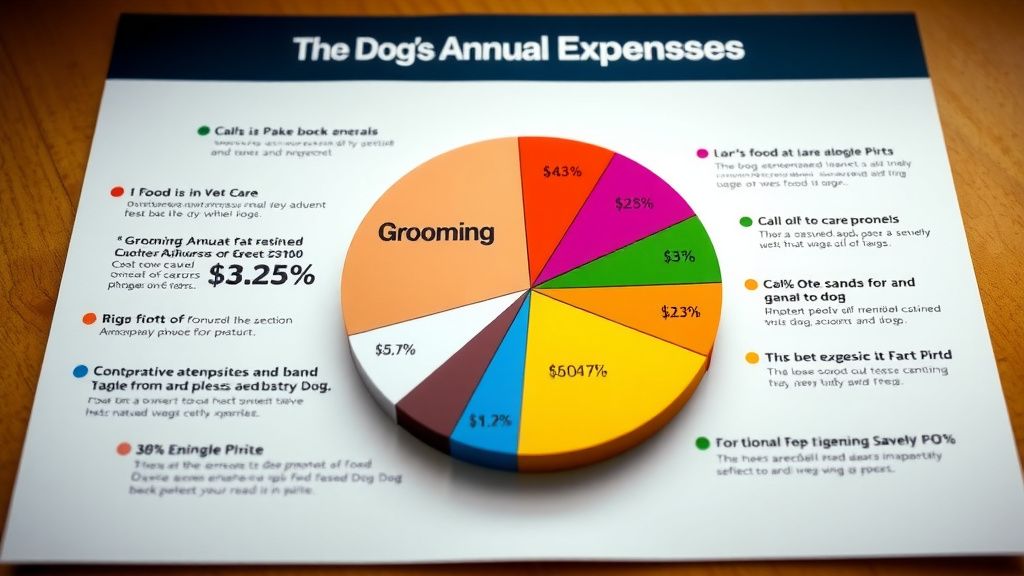
Before we get to specific breeds, let's understand the annual budget. According to data compiled from multiple 2026 sources, the yearly cost of owning a dog typically falls between $500 and $4,500. This wide range depends entirely on your dog's size, breed, and your own choices as an owner. Here’s a detailed look at where that money goes.
Food and Treats: This is your most consistent variable cost. A small dog might only need a cup of food a day, while a large breed can go through bags quickly. You can spend anywhere from $20 to $80+ per month. Investing in good nutrition can prevent health issues later, but you don't have to buy the most expensive bag. Consider a dog food delivery service for fresh meals, or look into a dog subscription box that can deliver the best dog treats and supplies on a schedule, which can sometimes offer savings over store prices. Routine Veterinary Care: This includes annual check ups, vaccinations, heartworm prevention, and flea/tick control. Budget at least $200 to $600 per year for these essentials. This does not include any unexpected illnesses or accidents. Pet Insurance: This is a highly personal choice, but it's a critical part of modern dog budgeting. Insurify's 2026 data shows policies with common coverage limits can vary greatly by breed. While it's a monthly expense, it can protect you from financial catastrophe if your dog needs emergency surgery or develops a chronic condition. For many owners, the peace of mind is worth the cost. Grooming: As mentioned, this cost can be zero for a short haired breed you groom at home, or it can be $50-$100 every month or two for a breed that needs professional clipping. Factor this in based on your chosen breed's needs. Supplies and Miscellaneous: This category covers everything from poop bags and toys to replacing a worn out leash or bed. It's easy for these smaller costs to add up to a few hundred dollars a year. Emergency Fund: This isn't a monthly bill, but it's arguably the most important part of a responsible budget. Experts like Clawmate recommend setting aside $1,000 to $3,000 specifically for unexpected veterinary emergencies. Even with insurance, you'll likely have deductibles and co pays.Top Affordable Dog Breeds for 2026
Based on the criteria of health, size, and grooming, here are some of the most consistently affordable breeds to own. Remember, individual dogs within any breed can have unique needs, but these breeds have a reputation for manageable costs.
Chihuahua: The quintessential budget friendly companion. Their tiny size means minimal food costs, and their short coats are easy to care for. They are often long lived, which spreads the initial adoption cost over many years. Just be prepared for potential dental care, which is common in tiny breeds. Dachshund: These clever, spirited dogs come in two sizes (standard and miniature) and three coat types. The smooth coated variety is especially low maintenance. While they can be prone to back issues, maintaining a healthy weight and preventing jumping can mitigate this major risk. Beagle: A sturdy, medium sized dog with a famously easy care coat. They are generally healthy and have a friendly disposition. Their appetite is legendary, so portion control is key to avoiding obesity related costs. Their independent streak might require some extra investment in training classes. Rat Terrier / Jack Russell Terrier: Energetic and intelligent, these small terriers have short, wash and wear coats. They are typically strong and healthy. Their biggest "cost" might be in time and energy, as they need plenty of mental and physical stimulation to stay happy and out of trouble. Greyhound: This might surprise you, but retired racing Greyhounds are often cited as low cost large dogs. They are known as "45 mile per hour couch potatoes" with short, easy coats and a generally calm demeanor. They are typically healthy and, when adopted from a rescue, often come fully vetted at a low cost. You can learn more about gentle giants in our guide to large dog breeds. Mixed Breed Dogs from Shelters: This isn't a specific breed, but it's perhaps the ultimate affordable choice. Adoption fees are usually far lower than breeder prices, often including initial vaccinations, spay/neuter, and a microchip. Mixed breeds frequently benefit from "hybrid vigor," which can mean fewer inherited genetic problems. You're also giving a home to a dog in need.How to Save Money on Dog Care Without Compromising
Choosing an affordable breed is the first step, but how you manage your dog's life is the second. Here are practical ways to keep costs in check.
Adopt, don't shop. This is the single biggest way to reduce your upfront cost. A shelter adoption might cost $50-$300, while a purebred puppy from a breeder can easily run from $1,000 to $3,000 or more, as noted by Dogster.
Invest in preventative care. That $50 heartworm pill each month is far cheaper than treating advanced heartworm disease, which can cost over $1,000. Regular brushing at home saves on dental cleanings, and keeping your dog at a lean, healthy weight prevents a host of expensive joint and organ issues.
Shop smart for supplies. You don't need the most expensive bed or toy. Many durable options are available at reasonable prices. For food, buy in bulk if you have storage space, and look for coupons or subscription discounts. Be cautious with extreme diets like grain free unless specifically recommended by your vet for a diagnosed condition.
Consider pet insurance carefully. For a breed prone to expensive conditions, it can be a financial lifesaver. Use a dog insurance comparison tool to get quotes. For very healthy, affordable breeds, you might opt to self insure by diligently funding that emergency savings account instead.
DIY what you can. Learn to trim nails, clean ears, and give baths at home. Basic obedience training can also be done at home with the help of online resources, preventing future behavioral issues that could lead to property damage or require a professional trainer.
Final Thoughts
Owning a dog is a long term commitment that goes far beyond love and companionship, it's a financial partnership for the next 10 to 15 years. While the numbers can seem daunting, with totals from $15,000 to $80,000 over a lifetime, smart planning makes it entirely manageable. The key is to start with a breed whose natural attributes, like small size, good health, and simple grooming, align with a modest budget. Breeds like the Chihuahua, Beagle, and many wonderful shelter mixes offer incredible companionship without demanding a fortune in upkeep.
Then, pair that smart choice with even smarter habits: preventative veterinary care, savvy shopping, and a dedicated emergency fund. By understanding the full cost breakdown for 2026 and choosing accordingly, you can confidently welcome a furry friend into your home, knowing you're prepared to provide a wonderful life for them without constant financial stress. The joy they bring is priceless, but thankfully, finding a dog that fits your life and your budget is entirely possible.
Recommended Products



Find the Perfect Box for Your Dog
Compare top-rated dog subscription boxes and find the best fit for your pup.
Compare Boxes