Top 2026 Kennel Training Dog Feeders
Train your pup with ease using 2026's best automatic feeders, designed for reliable kennel schedules and portion control.
The best automatic dog feeder for kennel training in 2026 is the Dogness Mini Programmable Automatic Feeder, praised for its reliability and portion control. For large dogs, the Dokoo Large Dog Automatic Pet Feeder is a top choice, while the Nityers model excels for multi-pet homes with its dual-bowl splitter system. These feeders provide the consistent schedule crucial for successful kennel training.
Kennel training is a journey of patience and consistency, and nothing tests that consistency like mealtime. If you're trying to establish a calm routine for your dog in their crate, the last thing you need is a frantic scramble for the food bowl because you're running late. An automatic feeder can be a powerful ally, removing the variable of human timing and providing your dog with predictable meals right in their kennel space. This predictability reduces anxiety and builds positive associations with their crate. After reviewing expert tests from Wirecutter, insights from certified trainers like Nicole Ellis, and thousands of customer reviews on platforms like Chewy, I've compiled the key information you need to choose the right feeder for your training goals. Let's look at the models that stand out in 2026 and how to integrate them into your training plan.
Why Use an Automatic Feeder for Kennel Training?
You might think an automatic feeder is just for convenience, but for kennel training, it serves a deeper purpose. Experts like Erin Askeland, a certified professional dog trainer, highlight how these devices help manage a pet's routine. The core of kennel training is creating a safe, positive den. When meals are delivered reliably in that space, without any drama or delay from you, your dog learns that good things happen in their kennel.
It also completely eliminates any potential resource guarding behavior around you during feeding. The food comes from the machine, not your hand, which can ease tension. Furthermore, it enforces strict portion control. Overfeeding can lead to accidents in the kennel, which is a major setback in training. A programmed feeder dispenses the exact amount you set, supporting both house training and weight management. For busy pet parents going back to work, as one Reddit user mentioned, it provides peace of mind that their growing dog's feeding schedule won't be disrupted.
Top 2026 Models for Kennel Training
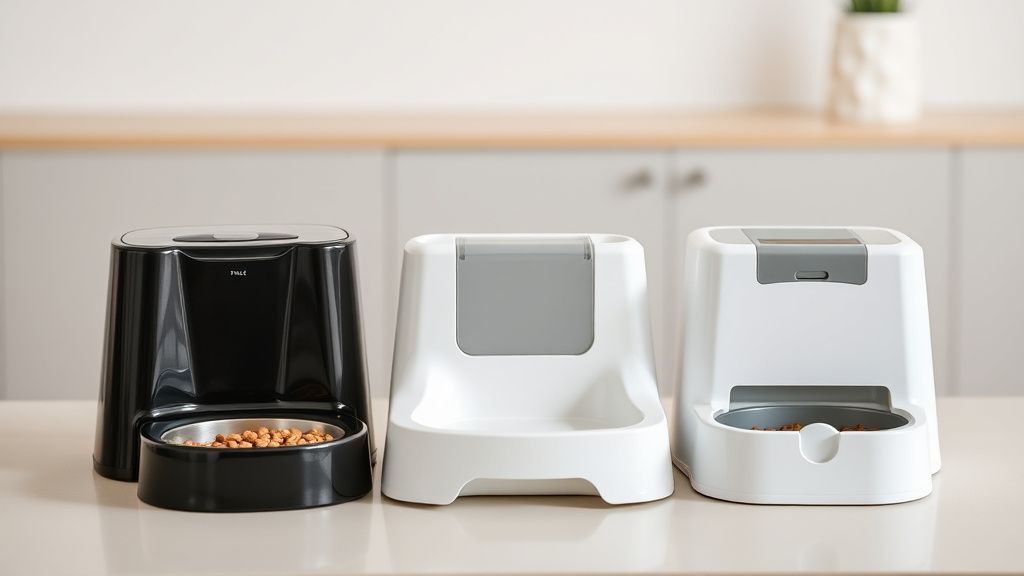
Based on extensive testing and user feedback, here are the models that are leading the pack this year. Each offers something a little different for your kennel training setup.
Best Overall: Dogness Mini Programmable Automatic Feeder
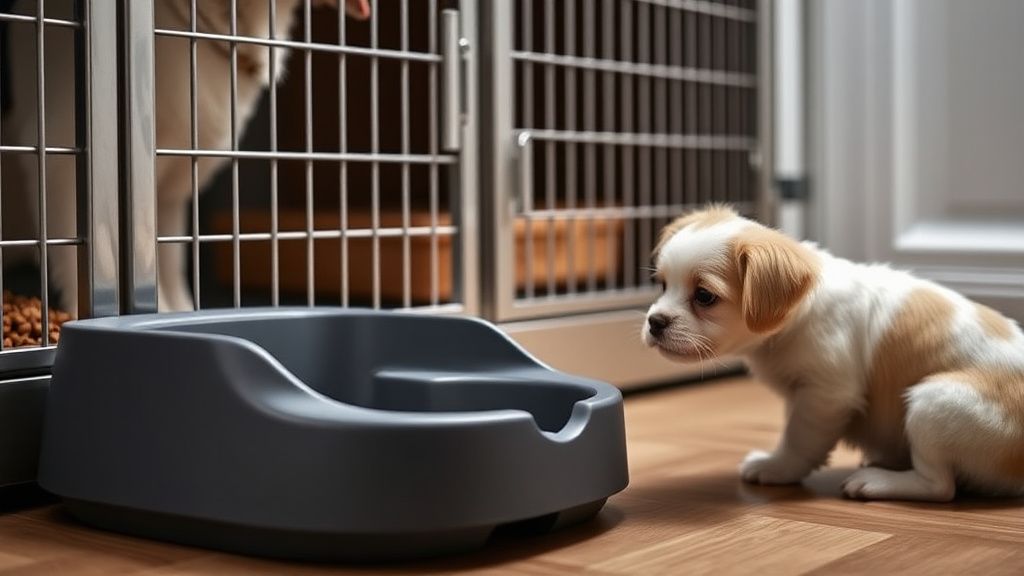
Dogster names this the best overall automatic dog feeder, and it's easy to see why. It holds over 8 cups of food, which is suitable for small to medium dogs or a single day's meals for a larger breed during kennel training. Its programmable nature means you can set specific meal times that align with your training schedule, creating that all-important routine. Available in multiple colors, it's a discreet unit that can sit right outside the kennel door. Wirecutter's rigorous testing, where they got "elbow-deep in kibble," favors models that are reliable and simple, and the Dogness Mini fits that bill for consistent, portioned delivery.
Best for Large Breeds: Dokoo Large Dog Automatic Pet Feeder
If you're kennel training a Labrador, German Shepherd, or other large breed, capacity and durability are non negotiable. The Dokoo Large Dog Automatic Pet Feeder is designed for this. Penthouse Paws specifically recommends it for scheduling your "large pet's meal timing and quantity to spend stress-free days." A sturdy base and a large food hopper prevent easy tipping or breakage from an eager, powerful dog. This model ensures your big pup gets their substantial meals on time, even if their kennel time overlaps with your work hours.
Best for Multi-Pet Homes: Nityers Dual Pet Feeder
Kennel training one dog while others are free can present challenges, especially around feeding. The Nityers model, highlighted by Canine Bible, offers a brilliant solution with its unique splitter system. It distributes meals evenly into two bowls from a single hopper. This allows you to program a meal for your kenneled dog and another for your free roaming pet simultaneously, preventing food jealousy or stealing. Canine Bible notes this portion customization for both pets at once is "a feature many other feeders lack."
Best for High Value Rewards: Treat Dispensing Models
Sometimes, kennel training involves using high value best dog treats for positive reinforcement. Several automatic treat dispensers on the market can be integrated into your training. These are fantastic for random reinforcement while you're away, dropping a special kibble or small treat into the kennel to reward calm behavior. Models reviewed by Chewy that function as treat dispensers can be programmed for surprise snacks, making the kennel an even more rewarding place. Remember, the treats from your dog subscription box can be perfect for this.
Key Features to Look For in a Kennel Training Feeder
Not all feeders are created equal, especially when they'll be part of a structured training regimen. Here are the critical aspects to evaluate.
Programming Flexibility: You need precise control. Look for a feeder that allows at least 4-6 meals per day with customizable portion sizes for each. This lets you mimic a puppy's feeding schedule or space out an adult dog's meals to align with kennel breaks. Power Reliability: A feeder that dies in the middle of the night is a kennel training disaster. Opt for models with a clear low battery indicator, as mentioned in reviews of advanced feeders. A dual power option (AC adapter with battery backup) is the gold standard. It ensures your dog gets fed during a power outage, preventing anxiety and setbacks. Food Compatibility and Hopper Seal: The feeder must work with your dog's specific kibble size and shape. Testers at Wirecutter found some models jammed with certain foods. Also, a tight sealing hopper is vital. It keeps food fresh and, more importantly, blocks crafty paws or noses from breaking in for an unauthorized snack, which could undermine scheduled feeding. Construction and Stability: The feeder should have a heavy, non slip base or a way to secure it to the wall or floor. A dog excited for food can bump or knock over a flimsy unit. As that concerned Reddit user pointed out, you need something that isn't "too flimsy for a growing" dog. This is crucial for safety and consistency.Integrating the Feeder into Your Training Plan
Simply buying the feeder isn't enough. You need to introduce it thoughtfully to support your kennel training goals.
Start by placing the feeder near, but not inside, the kennel with the door open. Let it dispense meals for several days with your dog free to come and go. This builds a positive association with the machine's sound and action. Next, place the dispensed bowl just inside the kennel door. Gradually, over successive meals, move the bowl further back into the kennel until your dog is comfortable eating fully inside.
Always pair the feeder's operation with your verbal cue, like "kennel" or "place." This links the automated action with your command. Use the feeder for scheduled main meals, but continue to deliver special freeze-dried dog food or treats by hand for extra reinforcement when you are home. This maintains your bond and keeps the kennel a place of general positivity, not just automated feeding.
Monitor your dog's weight closely, especially during the initial setup. It's easy to accidentally program too much food. Adjust portions as needed to keep your dog at a healthy weight. The consistent schedule provided by the feeder can actually reduce separation anxiety by creating a predictable routine, but the feeder itself is a tool, not a complete solution for anxiety.
Common Pitfalls and How to Avoid Them
Even with the best equipment, things can go sideways. Here are common mistakes I've seen.
A major pitfall is relying solely on the feeder for all interaction. Your dog still needs connection. The kennel and feeder should not become a substitute for your presence. Use the feeder to manage the routine, but spend quality time with your dog outside the crate.
Another issue is neglecting maintenance. Food dust and oils can clog the mechanism. Clean the hopper and dispensing chute weekly according to the manufacturer's instructions to prevent jams that lead to missed meals and a very confused, hungry dog.
Finally, not having a backup plan is a risk. Technology can fail. Always have a manual feeding routine ready to go. Keep a traditional bowl and measured portions of food handy so you can step in immediately if the feeder malfunctions, ensuring your dog's routine and trust in their feeding schedule remains unbroken.
Final Thoughts
Choosing the right automatic dog feeder for kennel training is about more than gadgetry. It's about selecting a reliable partner that provides the consistency your dog needs to feel secure in their space. The Dogness Mini offers great all around performance, the Dokoo handles the big appetites, and the Nityers smartly manages multi pet dynamics. By focusing on programmable precision, power reliability, and sturdy construction, you'll find a model that supports your training goals for years to come. Remember, the ultimate goal is a happy, calm dog who sees their kennel as a personal den. A trustworthy automatic feeder, used wisely, is a significant step on that path.
Find the Perfect Box for Your Dog
Compare top-rated dog subscription boxes and find the best fit for your pup.
Compare Boxes