Yucca Root for Dog Arthritis Relief

Ease your dog's arthritis pain with yucca root. Learn the safe dosage and how to easily mix it into their food.
Yucca root, specifically Yucca schidigera, can help reduce pain and inflammation for dogs with arthritis. A common dosage is ¼ to ½ teaspoon of dried, powdered yucca root per pound of food each day, typically fed on a schedule of four days on and three days off each week. It's crucial to use the prepared supplement form, not the raw plant, which is toxic.

Watching your dog struggle to stand up or hesitate before jumping onto the couch is a heart wrenching experience. Arthritis pain can steal the joyful spark from our best friends, turning simple movements into daily challenges. If you're exploring natural supports to add to your dog's care regimen, you've likely come across yucca root. I've spent years researching and writing about canine wellness, and the conversation around yucca is one that comes up often for good reason. It's a plant-based supplement with a history of use, but like anything we give our dogs, it demands a careful, informed approach. Let's talk about what yucca root really does, how to use it safely, and how it might fit into your dog's life to help ease those stiff, achy joints.
What is Yucca Schidigera and How Does It Help Arthritis?
First, it's essential to distinguish between the plant in your yard and the supplement in your cupboard. The yucca plants you might have as landscaping are different species and are not what we're discussing here. For canine supplements, we are specifically talking about Yucca schidigera, a desert plant native to the southwestern United States and Mexico.
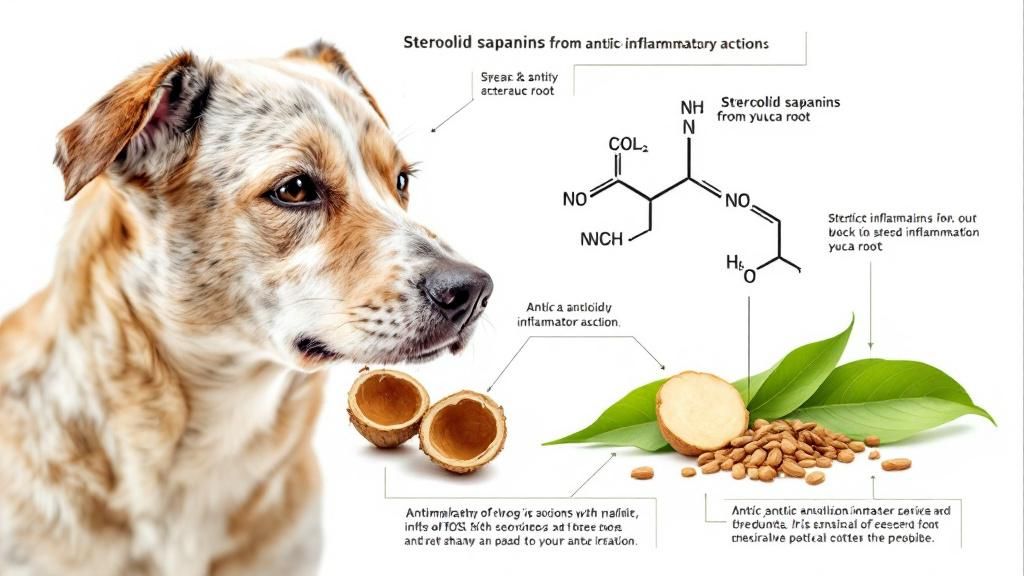
The magic, and the caution, lies in its natural compounds called steroidal saponins. Think of these as natural soap like substances. In the body, these saponins are believed to work by binding to and helping to flush out irritants in the gut that can contribute to systemic inflammation. By helping to reduce this internal irritation, yucca may indirectly lower the inflammatory response throughout the body, including in the joints.
Research and veterinary experience support this. As noted by Whole Dog Journal and other sources, yucca schidigera extract has been shown to reduce pain, inflammation, and arthritic symptoms in dogs. It doesn't rebuild cartilage like glucosamine might, but by calming inflammation, it can make movement more comfortable for your dog. This anti inflammatory effect isn't limited to joints either. Many of the same components that help arthritis can also ease inflammation in the digestive tract, which is why it's sometimes recommended for dogs with food sensitivities or general digestive upset.
Is Yucca Root Safe for Dogs? Crucial Precautions
This is the most important section. The word "natural" doesn't automatically mean "safe in any amount," and yucca is a prime example.
The prepared, powdered root or extract used in supplements is generally considered safe for dogs when used correctly. However, the raw Yucca schidigera plant itself contains high concentrations of those saponins, which can be toxic if ingested directly, causing vomiting, diarrhea, and weakness. You should always prevent your dog from munching on any yucca plant.
The key to safety with the supplement form is dosage and cycling. Long term, continuous use is not recommended because the saponins can potentially irritate the digestive lining. This is why a pulsed schedule is universally advised. It allows the body to benefit from the anti inflammatory effects while getting a regular break. Always choose a product intended for canine use, and ensure it's pure yucca root powder or extract without unnecessary fillers or additives. When you're evaluating your dog's treats or a new food delivery service, seeing Yucca schidigera listed in the ingredients is perfectly fine, as it will be included in safe, minimal amounts.
Before starting any new supplement, including yucca, have a conversation with your veterinarian. This is non negotiable. They know your dog's full health history and can advise if yucca is appropriate, especially if your dog is on other medications or has existing kidney or digestive conditions.
How Much Yucca Root Should You Give Your Dog? Dosage Guide
Dosage is dependent on the form you use (powder vs. liquid extract) and your dog's size. The most commonly cited dosage for powdered yucca root comes from expert recommendations for canine care.
For the dried, powdered yucca root, a standard guideline is to mix ¼ to ½ teaspoon of powder into each pound of food your dog eats in a day.
Let's make that practical. If your dog eats 1 pound (about 2 cups) of food daily, you would add ¼ to ½ teaspoon of yucca powder to that entire day's worth of food. It's best to divide this between meals.
The cycling schedule is just as critical as the amount. The standard protocol is to feed the yucca supplemented food for four consecutive days, then stop and feed food without yucca for three consecutive days. You repeat this four on, three off cycle weekly. This pulsed approach maximizes benefits and minimizes any risk of gastrointestinal upset.For liquid extracts or tinctures, you must follow the manufacturer's dosage instructions on the specific product you purchase, as concentrations can vary widely. These are often given directly by mouth or mixed into a small amount of food. Starting at the lower end of any dosage range is always a wise choice to see how your dog tolerates it.
How to Mix Yucca Root Powder With Your Dog's Food
Mixing yucca powder successfully is about making it palatable. The powder has a distinct, somewhat bitter taste that some dogs may initially turn their nose up at. Here are some proven strategies.
Start low and slow. Begin with a tiny pinch of powder mixed into one meal. Over the course of a week, gradually increase the amount until you reach the full dosage for your dog's food intake. This gives their taste buds and digestive system time to adjust. Mix it thoroughly. Yucca powder can be a bit clumpy. Mix it with a small amount of warm water, bone broth, or goat's milk first to create a smooth slurry or paste. Then, stir this paste thoroughly into your dog's regular kibble or wet food. The moisture helps the powder coat every piece. Use tasty toppers. If your dog is still suspicious, lean on high value mix ins. A spoonful of plain pumpkin puree, a drizzle of salmon oil, or a crumbled piece of their favorite treat from a premium dog best dog subscription boxes can work wonders to mask the flavor and texture. The goal is to make the meal so enticing that the yucca goes unnoticed. Be consistent with the schedule. Mark your calendar or set a phone reminder for the four day on, three day off cycle. Consistency helps you track effects and maintains the safety protocol. I find it helpful to prepare the food for the "on" days in advance, so I don't accidentally forget and double dose.Can Yucca Root Be Combined With Other Supplements?
Absolutely. In fact, yucca is often part of a broader, supportive approach to joint health. Its role is primarily as an anti inflammatory agent, so it can complement supplements that work on different aspects of joint support.
A great example comes from a rescue organization's experience, which noted that yucca can be particularly useful for reducing inflammation in the knees and hips when used concurrently with liquid extracts of licorice root, alfalfa, and a liquid glucosamine supplement.
Think of it as a team:
* Glucosamine and Chondroitin: These are building blocks that support cartilage repair and joint fluid health.
* MSM or Omega 3 Fatty Acids: These provide additional anti inflammatory support.
* Yucca Root: Works to help lower the overall inflammatory response in the body.
* Licorice Root and Alfalfa: These herbs are often noted for their own supportive, anti inflammatory properties.
This doesn't mean you need to use all of these at once. A simple, powerful combination might be a high quality glucosamine supplement paired with a cycled yucca regimen. When you're choosing a dog food delivery service or a new bag of kibble, look at the supplement panel to see if these supportive ingredients are already included in a balanced formula.
What Results Can You Expect and How Long Does It Take?
Managing expectations is key with any natural supplement. Yucca root is not a pharmaceutical painkiller. You should not expect a dramatic, overnight transformation.
Most dog parents report noticing subtle improvements within a few weeks of consistent, cycled use. Signs to look for include:
* Your dog seems more willing to go for a walk.
* They have an easier time getting up from a nap.
* They might show more interest in play or climb stairs with less hesitation.
* You may notice they are more comfortable during weather changes, which often worsens arthritis stiffness.
The effects are cumulative and supportive. It's one piece of the puzzle. The best results are seen when yucca is part of a complete care plan that includes maintaining a healthy weight, providing appropriate gentle exercise, and using other veterinary recommended therapies. Keep a simple journal to track your dog's mobility and mood each week. Sometimes the progress is gradual, and notes can help you see the positive trend you might otherwise miss.
Final Thoughts
Yucca schidigera presents a compelling, natural option for supporting dogs with arthritis discomfort. Its primary strength lies in its potential to reduce the inflammatory processes that cause pain and stiffness. By following the critical safety guidelines, the precise dosage of ¼ to ½ teaspoon per pound of food, and the essential four days on, three days off schedule, you can explore this supplement with greater confidence.
Remember, it is a support, not a cure. Its role is most powerful when combined with good overall care, a balanced diet potentially enhanced by a thoughtful dog food delivery service, and open communication with your veterinarian. Watching our dogs age can be tough, but being proactive with gentle, evidence informed supports like yucca root can help them enjoy more comfortable days and more of the activities they love.
Recommended Products


Find the Perfect Box for Your Dog
Compare top-rated dog subscription boxes and find the best fit for your pup.
Compare Boxes