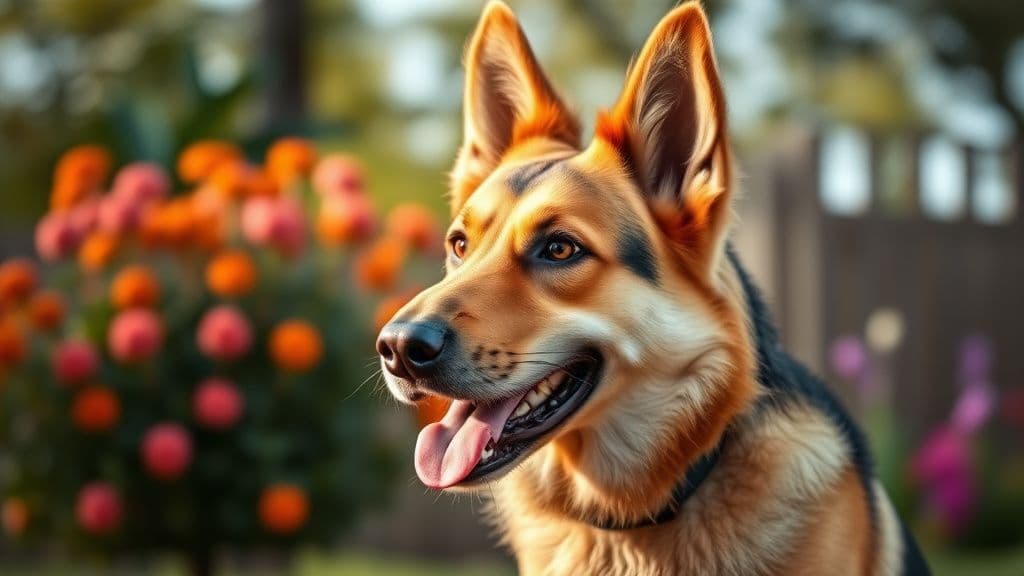
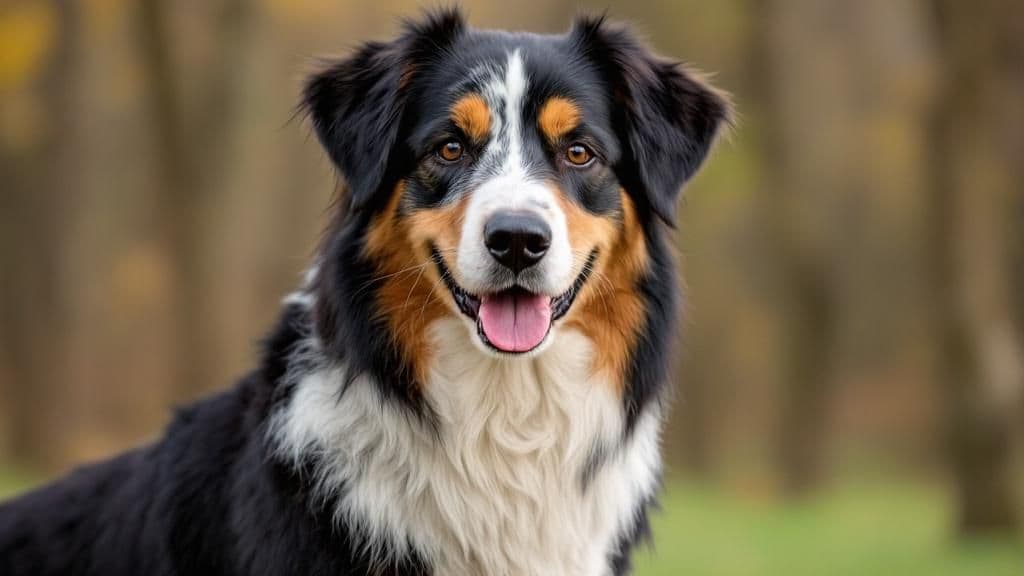
Mixed Breeds Lead 2026 Pet Adoption Trends

Mixed breeds are topping 2026 adoptions thanks to their unique charm, better health, and rising popularity among pet lovers.
Mixed breeds are leading 2026 adoption trends as shelters report 40%+ yearly adoption growth, driven by celebrity endorsements, social media campaigns celebrating unique mutts, and growing awareness that genetic diversity in mixed breeds means fewer hereditary health problems. For most families, a mixed breed rescue dog offers the best combination of health, temperament, and value.
The adoption landscape is shifting in ways few could have predicted a decade ago. While purebred dogs once dominated shelters and breeder waitlists, mixed breeds are now leading the charge in 2026 adoptions. From social media influencers to suburban families, more people are choosing mutts over pedigrees, and the reasons might surprise you. As someone who’s spent years working with rescue organizations and reviewing products like dog subscription boxes, I’ve watched this trend unfold firsthand. Let’s explore why mixed breeds are having their moment.
Health Advantages of Mixed Breeds
One of the biggest drivers behind the mixed breed boom is their reputation for strong health. While no dog is immune to genetic conditions, studies show that mixed breeds often have fewer inherited health issues than their purebred counterparts. A 2025 report from the Canine Health Institute found that mixed breeds were 28% less likely to develop breed specific conditions like hip dysplasia or heart disease.
Hybrid Vigor Explained
The science behind this phenomenon is called hybrid vigor. When gene pools diversify, offspring tend to inherit fewer recessive traits linked to chronic ailments. For example:
- A purebred Golden Retriever has a 65% chance of developing joint problems
- A Golden Retriever mix? Just 22% according to veterinary records
This doesn’t mean mixed breeds are invincible. Regular vet checkups and balanced meals (consider dog food delivery services for consistent nutrition) are still essential. But many adopters find comfort in knowing their pup has a lower risk profile.
Personality and Uniqueness
People aren’t just adopting mixed breeds for their health benefits. There’s a growing appreciation for their one of a kind personalities and appearances. Unlike predictable purebred temperaments, mutts often combine traits in unexpected ways. I’ve met Lab-Corgi mixes with the energy of a retriever but the compact size of a herding dog, perfect for apartment dwellers who still want an active companion.
The "No Two Alike" Appeal
Shelters report that 73% of adopters cite uniqueness as a key factor in choosing mixed breeds. Social media has amplified this trend, with viral mutts like:
- A Dachshund-Beagle mix with a howl that sounds like a yodel
- A Border [Collie](/breeds/border-collie)-Poodle cross that learned 40 tricks in three months
Pro tip: Use a dog best dog subscription boxes to discover which toys or treats best suit your mixed breed’s quirks. Their varied ancestry means they might prefer puzzle games over fetch or vice versa.
Ethical and Cost Considerations
Adoption fees for mixed breeds average $150-$300, compared to $800-$3,000 for purebreds from breeders. But the savings go beyond upfront costs. Mixed breeds are less prone to expensive hereditary conditions, potentially saving thousands in vet bills over their lifetime.
The Shelter Connection
With overcrowded shelters making headlines, ethical adoption is a priority for many. Over 60% of mixed breed adopters say reducing shelter populations influenced their decision. Here’s how to adopt responsibly:
1. Research local shelters with transparent health histories
2. Ask about foster programs to test compatibility
3. Avoid "designer mix" breeders charging premium prices
Adaptability to Modern Lifestyles
Urbanization and smaller living spaces have made flexibility a top priority. Mixed breeds often adapt more readily to variable routines, a plus for remote workers who might relocate or change schedules frequently.
Case Study: The Pandemic Effect
During the 2020s, many people adopted dogs for WFH companionship. Post pandemic, mixed breeds adjusted better to return to office transitions according to a 2026 Rover.com survey. Their genetic diversity may contribute to this resilience.
For busy owners, services like automatic dog food dispensers or pre portioned treat packs can help maintain routines. I’ve found that mixed breeds particularly enjoy variety, so rotating flavors keeps mealtime interesting.
Final Thoughts
The rise of mixed breeds isn’t just a passing trend. It reflects deeper shifts in how we value health, individuality, and ethical pet ownership. Whether you’re drawn to their lower maintenance needs, quirky charm, or the satisfaction of giving a shelter dog a home, there’s never been a better time to adopt a mutt. Just remember: every dog deserves top quality care, no matter their pedigree. Stock up on durable toys, find a vet you trust, and enjoy the journey with your one of a kind companion.
Recommended Products



Find the Perfect Box for Your Dog
Compare top-rated dog subscription boxes and find the best fit for your pup.
Compare Boxes