Unlocking Premium Protein In Dog Food
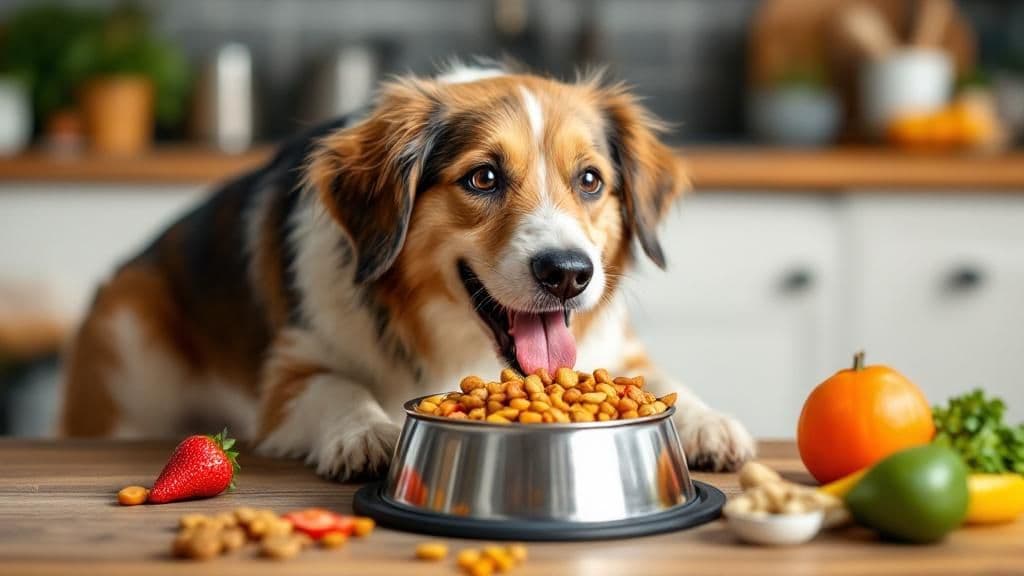
Unlock the power of premium protein in your dog's high-energy diet for optimal health and vitality.
Protein quality in dog food matters more than quantity — look for named animal proteins (chicken, beef, salmon) as the first ingredient, check for bioavailability ratings, and avoid generic "meat meal" or "animal by-products." High-energy dogs need 25-35% protein from whole, identifiable sources for optimal muscle maintenance and recovery.
As a dog care writer, I’ve spent countless hours talking to veterinarians, nutritionists, and, most importantly, dedicated dog owners. One topic that consistently comes up is protein. We all know our active, playful, and working dogs need plenty of it, but the conversation is shifting. It’s no longer just about the highest percentage on the bag. The real focus for savvy pet parents is on understanding protein *quality* in high energy dog food. That number under "crude protein" is just the beginning of the story. What truly matters is what that protein is made of, where it comes from, and how well your dog’s body can use it to fuel adventures and maintain lean muscle.
Beyond the Percentage: What "Crude Protein" Really Means
You’ve seen it on every label: "Crude Protein (min) 32%." It’s easy to assume a higher number automatically means a better, more powerful food. However, this is one of the most common misconceptions in dog nutrition.
The term "crude" refers specifically to the laboratory method used to estimate protein content, not to the quality of the ingredient itself. As explained in resources from the National Academies, the crude protein level is calculated by measuring the nitrogen in the food and converting it to a protein amount. This is why experts from brands like Hill's Pet note that the crude protein level doesn't provide an accurate indication of how much protein your dog will actually absorb and use. It’s a chemical measurement, not a biological one.
Think of it like this. You could have two bags of food, both boasting 30% crude protein. One uses real, identifiable chicken as its first ingredient. The other uses a blend of corn gluten meal and feather meal. The lab test will show the same nitrogen content for both, so they get the same "crude protein" rating. But the second food provides protein that is far less digestible and biologically valuable for your dog. The guaranteed analysis gives you a quantity, but it tells you nothing about the quality, the source, or the digestibility.
This is a crucial starting point. When you’re comparing foods, especially for your high energy companion, you must look past that single number and start reading the ingredient list.
The Pillars of Protein Quality: Source, Amino Acids, and Digestibility
So, if the percentage isn't the holy grail, what should you look for? True protein quality rests on three interconnected pillars: the source of the protein, its amino acid profile, and its digestibility. These factors determine whether the protein in the bowl becomes usable fuel and muscle in your dog.
Prioritize Real, Identifiable Animal Proteins
The consensus from veterinary nutritionists and expert sources is clear. For a high energy dog, the foundation of a top quality diet should be real, named animal proteins. Look for ingredients like beef, turkey, chicken, lamb, or salmon listed as the first item.
Animal proteins provide what’s called a "complete" amino acid profile. Amino acids are the building blocks of protein. Dogs require 10 essential amino acids that their bodies cannot make in sufficient quantities; these must come from their diet. Animal meats naturally contain all these essential amino acids in the right proportions for canine biology. They are fundamental for building and repairing muscle tissue, supporting a strong immune system, and aiding in post exercise recovery.
As Wellness Pet Food highlights, when diets lean too heavily on fillers or carbohydrates, dogs may eat enough calories but still lack these critical building blocks they need to thrive. A food can be high in calories from grains and starches while being deficient in the specific amino acids a sprinting, jumping, fetching dog requires.
Understand Digestibility: The Key to Absorption
This is where the rubber meets the road. You can have the finest chicken in the world in the formula, but if your dog’s system can’t break it down and absorb the nutrients, it’s not doing much good. Digestibility measures how much of the ingested protein is actually absorbed by the body, not just passed through.
Scientific research underscores this point. A study published in PMC evaluating different high protein diets found significant differences in how dogs absorbed them. Diets with certain protein sources had markedly lower crude protein digestibility compared to others. This means two foods with identical "crude protein" percentages on the label could deliver vastly different amounts of usable protein to your dog’s cells.
Highly digestible protein sources put less strain on the digestive system, meaning more nutrients are absorbed and less waste is produced. This is particularly important for dogs with sensitive stomachs. For instance, the Dog Food Advisor points out that a salmon based food can be an excellent choice for sensitive dogs, as real salmon provides high quality protein that’s often easy to digest.
Matching Protein to Your Dog’s Actual Energy Needs
More protein is not always better. It has to be the right amount of the right kind for your individual dog’s lifestyle. The concept of balance is paramount.
There is a notable discrepancy in official recommendations that highlights the need for individualization. Research notes that for adult dogs, the minimum crude protein suggested by the National Research Council is 80 grams per kilogram of diet. However, the FEDIAF and AAFCO guidelines propose 180 grams per kilogram. Most commercial foods exceed both, but this range shows that a one size fits all approach doesn't work.
A balanced formula considers protein source quality in the context of the whole diet. As Smart Pup Food explains, excessive protein is usually processed safely by healthy dogs, but very high fat, high protein diets may simply increase overall dog calorie calculator intake beyond what the dog needs. The protein percentage should genuinely match the activity level.
* The Weekend Warrior: Your dog who enjoys long hikes on Saturdays but is mostly a couch potato during the week likely doesn’t need an extreme performance diet. A food with a moderate, high quality protein level from a single source like chicken or fish may be perfect.
* The Agility Star or Working Dog: A dog in constant training, competition, or doing herding work has sustained, high intensity energy demands. These dogs benefit from diets with higher levels of highly digestible animal proteins to support muscle repair and constant energy turnover.
* The Senior with Slowing Metabolism: An older dog may be less active and require fewer overall calories, but maintaining muscle mass is critical for mobility. A diet with a slightly lower but exceptionally digestible and complete protein source can help preserve lean body mass without excess calories.
This is where a personalized approach, like that offered by some dog food delivery services, can be invaluable. They often start with a detailed profile of your dog’s age, breed, weight, and activity level to recommend a formula that matches protein to need, not just to a marketing claim.
How to Be a Savvy Protein Shopper: A Practical Guide
Armed with this knowledge, how do you put it into practice at the pet store or when browsing online? Here is a step by step guide to cutting through the marketing and finding a truly high quality protein food.
First, Read the Ingredient List, Not Just the Front Label.Ingredients are listed by weight. The first three ingredients tell most of the story. You want to see specific animal meals or meats here. "Deboned chicken," "lamb meal," "Atlantic salmon" are excellent signs. Be wary of vague terms like "meat meal" or "animal digest," and watch for protein splitting, where a manufacturer lists different forms of the same grain (e.g., "brown rice," "rice bran," "rice flour") to make carbohydrates appear lower on the list.
Second, Look for Supporting Nutrients for Energy and Gut Health.High quality protein doesn’t work in a vacuum. For sustained energy, look for wholesome carbohydrate sources like sweet potatoes or brown rice, which the Dog Food Advisor notes provide a steady source of energy and fiber. These help fuel your dog’s activities without causing rapid blood sugar spikes and crashes. Prebiotics and probiotics are also a plus, as they support the gut health necessary for optimal digestion of all that good protein.
Third, Consider Your Dog’s Unique Digestive Response.The best food on paper is only the best food for your dog if they thrive on it. Signs of good protein digestibility include firm, small stools, a healthy coat, maintained muscle mass, and consistent energy levels. If your dog has gas, loose stools, or itchy skin on a new high protein diet, the specific source or the overall formula may not agree with them. Don’t be afraid to switch to a different animal protein source. I’ve seen many dogs who struggled on chicken based foods blossom on a novel protein like duck or salmon.
Finally, Use Treats Wisely.Your dog’s diet includes what they eat from their bowl *and* from your hand. If you’re feeding a premium high protein diet for energy, don’t undo that good work with low quality, filler heavy treats. Seek out the best dog treats that mirror your food’s philosophy, with a named meat as the first ingredient and limited additives. Or, use pieces of your dog’s own kibble as training rewards. Many dog subscription boxes now focus on curating these kinds of high integrity, single ingredient treats, which makes finding them much easier.
Final Thoughts
Choosing the right high energy food for your dog is an act of love. It’s about wanting to support every leap, every run, and every joyful moment of play. By moving beyond the simple allure of the highest protein percentage and focusing instead on the quality pillars of source, digestibility, and balance, you make a much more informed choice.
Remember, the goal is not to feed the most protein, but to feed the most *usable* protein. It’s about providing the specific amino acids your dog’s body can efficiently convert into vitality and strength. Have a conversation with your veterinarian about your dog’s specific life stage and activity pattern. They can help you interpret your dog’s individual needs in the context of these quality principles.
When you find that perfect formula, one rich in identifiable animal protein and tailored to your dog’s life, you’ll see the difference. It shows up in the gleam of their coat, the spring in their step, and the stamina for one more game of fetch as the sun sets. That’s the true power of understanding protein quality.
Recommended Products


Find the Perfect Box for Your Dog
Compare top-rated dog subscription boxes and find the best fit for your pup.
Compare Boxes