2026 Dog Stroller Maneuverability Showdown
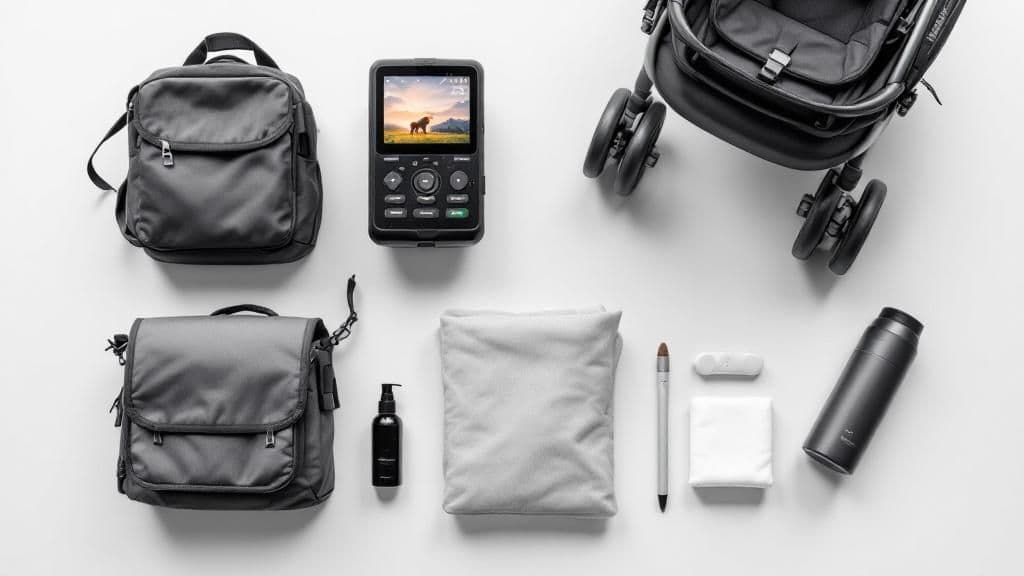
Three-wheel dog strollers weave through crowds, while four-wheel models offer superior stability on straight paths.
For most urban and active owners, a three-wheel dog stroller offers superior maneuverability and agility for city streets and varied terrain. If you have a larger dog, frequently carry heavy gear, or prioritize maximum stability for casual, flat-surface walks, a four-wheel stroller is the more balanced and steady choice. Your lifestyle, dog's size, and typical walking environment are the deciding factors.
Choosing the right dog stroller can feel as complex as picking the perfect dog food delivery service or curating a dog best dog subscription boxes. You want a tool that fits seamlessly into your life, keeping your furry passenger safe, comfortable, and happy. In 2026, the debate between three-wheel and four-wheel designs is more relevant than ever, with manufacturers refining each style for specific needs. Is it all about agility, or does ultimate stability win the day? Having tested numerous models over the years, I can tell you the answer isn't universal. It's about matching the engineering to your daily adventures. Let's break down the real world performance of each type, moving beyond marketing claims to see how they actually handle on pavement, in stores, and on the trail.
What Are the Core Design Differences?
At first glance, it's just a matter of counting wheels. But the choice between three and four wheels dictates the entire character of the stroller, influencing everything from its turning radius to how it feels going over a curb.
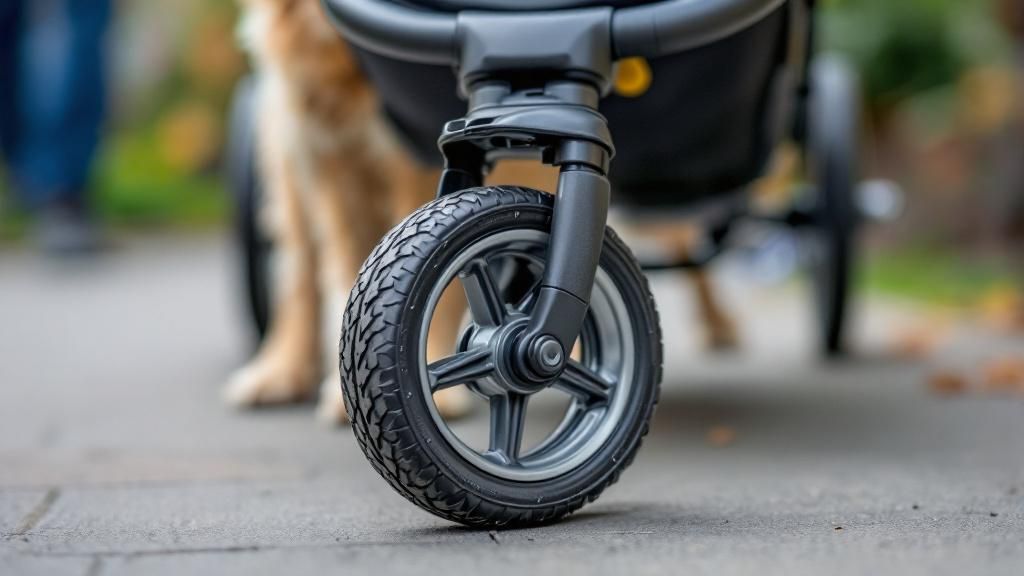
A three-wheel stroller typically features a single, smaller front wheel that swivels for steering, paired with two larger fixed wheels in the rear. This triangular setup is purpose-built for movement. The single front wheel is the key to its agility, allowing it to pivot sharply and navigate tight corners with ease. Think of it like a tricycle; it's designed to go places. The larger rear wheels provide drive and help with stability, especially when tackling uneven ground like gravel or grass.
A four-wheel stroller, on the other hand, usually has two swiveling front wheels and two fixed rear wheels. This rectangular footprint offers a fundamentally different experience. With four points of contact, the weight of your dog and any gear is distributed more evenly. This creates a inherently stable platform that is less prone to wobbling. It's the design you'll recognize from traditional baby strollers, prized for its straightforward, solid feel on smooth pathways.
Maneuverability in the Real World: A 2026 Showdown
This is where the rubber meets the road, quite literally. Based on extensive testing and consistent feedback from experts, the maneuverability crown has a clear winner for specific scenarios.
The Agile Performer: Three-Wheel Strollers
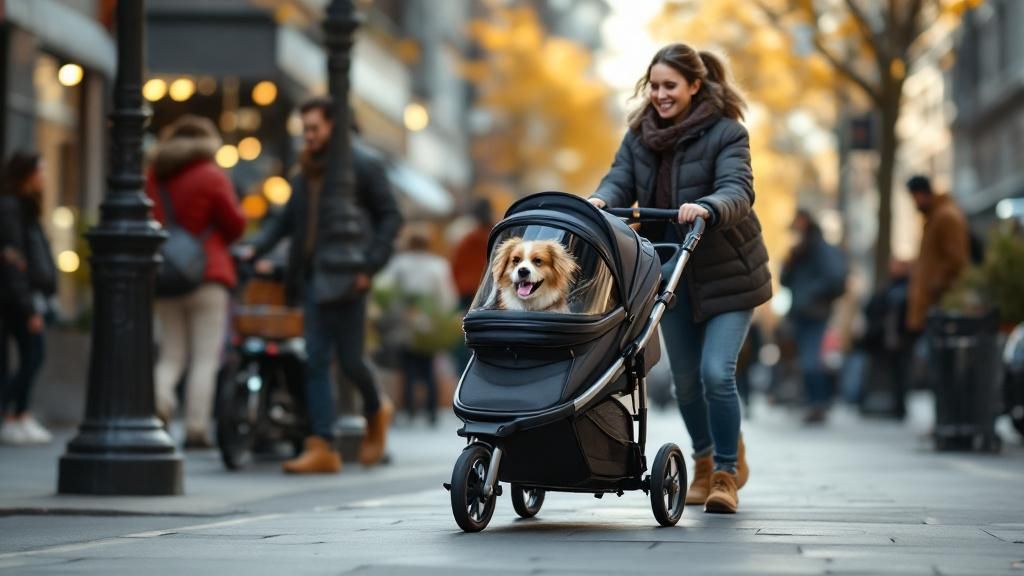
If your walks involve bustling city sidewalks, frequent store visits, or navigating through crowded farmers' markets, the three-wheel design shines. The research is unanimous on this point. That single, pivoting front wheel allows you to make sharp, precise turns. You can easily weave around sidewalk obstacles, lamp posts, and other pedestrians without the wide, awkward swings a four-wheel model might require.
This agility extends beyond the concrete. For active individuals who enjoy varied terrain, the three-wheel stroller's design is surprisingly capable. The triangular shape provides better tracking at higher speeds, and the larger rear wheels can handle bumps and minor off-road conditions more effectively than you might assume. One Reddit user noted that three-wheel models seem "catered towards long distance, more uneven territory like grass." I've found this to be true. The combination of a nimble front end and powered rear wheels makes it a strong choice for park paths, packed dirt trails, and even beach walks.
The Stable Cruiser: Four-Wheel Strollers
Maneuverability isn't just about tight turns. It's also about control and predictability. This is the domain of the four-wheel stroller. Its strength lies in linear stability. On perfectly flat, smooth surfaces like mall floors or paved park loops, it offers a gloriously smooth and direct push. There's no need to correct the front end's path constantly; it goes where you point it.
However, this stability comes with a trade-off in tight quarters. Two swiveling front wheels can sometimes work against each other, leading to a phenomenon called "wheel fight" where they jostle for direction, making very tight, slow-speed maneuvers slightly less precise than with a single pivot point. Its turning circle is generally wider. So while it maneuvers predictably in open spaces, it might require more planning in a cramped coffee shop aisle.
Which Stroller Handles Weight and Terrain Better?
Your dog's size and your favorite dog walking calculator routes are perhaps the most critical factors in this decision.
For Larger Dogs and Heavy Loads
If you have a bigger dog or tend to use the stroller's undercarriage as a pack mule for groceries, water bottles, and dog treats, the four-wheel stroller has a significant advantage. The ibiyaya USA Blog points out that with weight evenly distributed between four points, the stroller "often feels more balanced." This balance is crucial for preventing tip-overs, especially when a heavier pet shifts its weight suddenly. The frame is simply more planted. For larger breeds, that extra stability isn't just a luxury; it's a core safety feature.
For Varied and Uneven Terrain
Here's where the consensus gets interesting. While you might assume four wheels are always better for rough ground, the design philosophy of three-wheel strollers often makes them more versatile. As noted by Orbit Baby, they "perform well on a variety of surfaces, from city streets to gravel and dirt trails." The larger rear wheels act like driving wheels, rolling over obstacles more easily, while the front wheel can find its way around ruts and rocks. A four-wheel stroller, with its smaller wheels and focus on flat-surface stability, might struggle or transmit more bumps on truly uneven paths unless it's a specifically designed all-terrain model.
Storage, Folding, and Daily Practicality
Your stroller needs to fit into your life, not just your walking route.
Storage Space: Generally, four-wheel strollers have a slight edge. Their rectangular base often allows for a more generous storage basket underneath. This is perfect for carrying a day's worth of supplies, from poop bags and toys to your latest delivery from a dog subscription box. Folding and Portability: There's no clear winner by design alone; it depends entirely on the brand and model. Some three-wheel strollers fold into a surprisingly compact, elongated shape, while some four-wheelers fold more squarely. The best advice is to check the specific folded dimensions of any model you're considering, especially if trunk space is limited. Everyday Use: Ask yourself about routine friction. Do you constantly navigate narrow apartment hallways, elevators, and crowded spaces? The three-wheeler's agility will save you frustration. Do you mainly do long, straight walks on paved trails and value a huge storage basket for picnic blankets and dog food? The four-wheeler's steady cruise and capacity might be your best bet.Making the Final Choice for Your Lifestyle
Let's translate this into actionable advice. Picture your typical week with your dog.
Choose a Three-Wheel Dog Stroller If:* Your primary walks are in urban or suburban settings with sidewalks and curbs.
* You enjoy active outings on mixed terrain like park trails, forest paths, or hard-packed sand.
* You value agile handling and the ability to make sharp turns easily.
* You have a small to medium sized dog that doesn't max out the stroller's weight limit.
* Your routine involves navigating tight spaces like store aisles or public transit.
Choose a Four-Wheel Dog Stroller If:* You have a medium to large, heavier dog where top tier stability is non-negotiable.
* Your walks are almost exclusively on flat, paved surfaces like neighborhoods, boardwalks, or indoor locations.
* You frequently carry a lot of extra gear and need maximum storage capacity.
* You prefer the feeling of a solid, predictable push over nimble agility.
* Your dog's comfort on a stable, level ride is the absolute top priority.
Final Thoughts
Selecting between a three-wheel and four-wheel dog stroller isn't about finding the objectively "best" one. It's about identifying the best tool for your unique adventures. Much like choosing between a curated selection of dog treats, it's about matching the product to the consumer's preferences and needs. The three-wheel stroller is your agile partner for an active, on-the-go lifestyle, turning obstacles into minor inconveniences. The four-wheel stroller is your stable, reliable cruiser for leisurely walks where comfort and capacity are king.
In 2026, both designs have been refined to excellent standards. The most important step is to be honest about your daily reality. Consider your dog's size, your most common routes, and what "maneuverability" truly means for you. Is it about darting through a crowd, or about maintaining a smooth, unchanging line on a path? Answer that, and the right choice will roll clearly into view, ready for countless happy miles ahead.
Recommended Products



Find the Perfect Box for Your Dog
Compare top-rated dog subscription boxes and find the best fit for your pup.
Compare Boxes