Hidden Dangers In Homemade Dog Food
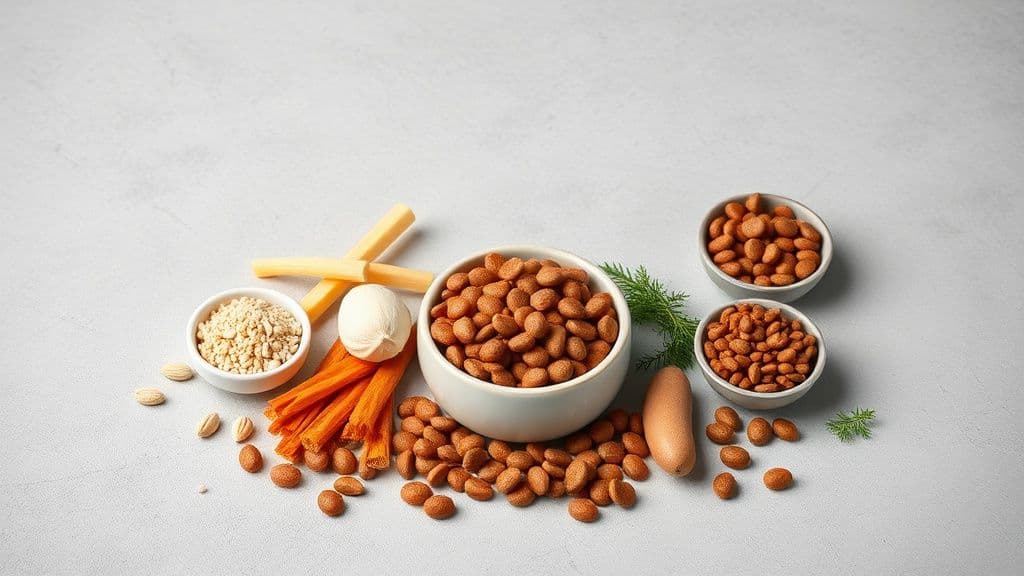
Uncover hidden gaps in your dog's diet: common deficiencies in homemade pet food recipes and how to fix them.
The vast majority of online homemade dog food recipes are not nutritionally complete. Studies show between 94% and 95% of these recipes lack at least one essential nutrient, and over 80% have multiple deficiencies. The most commonly missing nutrients are calcium, vitamin E, zinc, iron, copper, and choline, which can lead to serious health problems over time.
You want the best for your dog. I get it. I’ve been there, scrolling through blogs and social media, captivated by beautiful photos of vibrant, homemade meals for dogs. The promise of knowing every single ingredient that goes into your best friend’s bowl is incredibly powerful. It feels like the ultimate act of love and control in a world where commercial pet food recalls can be frightening. I’ve mixed my own batches in the kitchen, fueled by good intentions and a trusted recipe from a popular site. But what if that trusted recipe is leading us astray?
Recent, comprehensive research paints a startling picture. A study from the American Veterinary Medical Association notes a 400% increase in pet owners cooking for their dogs over the past twelve years. Yet, this surge in DIY meals is shadowed by a critical flaw: nutritional imbalance. Analysis of over 1,700 homemade dog food formulations by the Dog Aging Project found most recipes missing the mark on canine nutrition. Another study from UC Davis that examined 200 recipes revealed 95% were deficient in at least one vital nutrient, and 83% had multiple deficiencies. This isn't about a few bad recipes; it's a systemic issue with the homemade recipes we find online. The love is there, but the science is often missing.
Why Are So Many Homemade Recipes Incomplete?
Creating a nutritionally balanced diet is complex, far more so than simply combining chicken, rice, and veggies. Dogs require over 40 essential nutrients in very specific amounts and ratios. Online recipes often fail because they are created by well-meaning pet lovers, not veterinary nutritionists. They might prioritize human food trends, use vague measurements like "a handful," or unknowingly rely on ingredients that are poor sources of key nutrients for dogs. As noted in the research, even a simple substitution, like swapping one type of oil for another, can throw off the entire nutritional profile of a diet.
What Are the Most Common Nutritional Deficiencies?
The research consistently points to a handful of nutrients that are most frequently absent or inadequate in homemade dog food recipes. Understanding these is the first step to recognizing the risks.
Calcium and Phosphorus: The Bone Health Duo
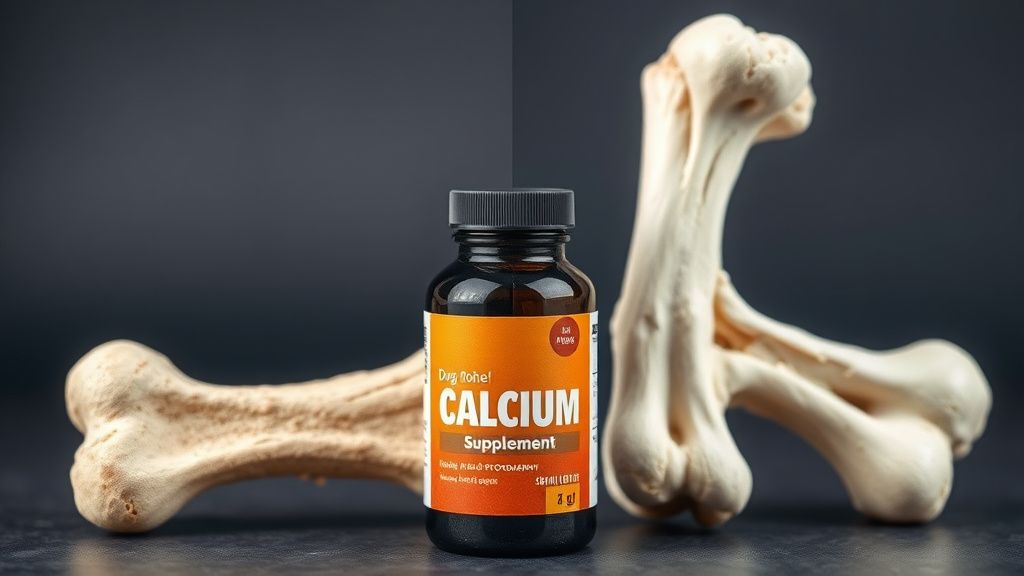
This is the number one pitfall. Calcium is critical for bone strength, muscle function, and nerve signaling. Phosphorus works in concert with calcium. The problem is two-fold: first, muscle meat (like chicken breast or ground beef) is very low in calcium but high in phosphorus. Feeding a meat-heavy diet without proper supplementation creates a dangerous inverse calcium-to-phosphorus ratio. Second, as highlighted by Texas A&M researchers, omitting a prescribed calcium supplement from a recipe is a common and serious error.
Long term, this deficiency can lead to nutritional secondary hyperparathyroidism, where the body leaches calcium from bones to maintain blood levels. The result? Weak, brittle bones prone to fractures, especially in growing puppies and senior dogs.
Essential Vitamins: E, D, and Choline
Vitamins are the unsung heroes of metabolism, and several are routinely missing.
* Vitamin E: A potent antioxidant, vitamin E is crucial for immune function, skin health, and protecting cells from damage. A study published in *PMC* found a staggering 82.9% of dog recipes were deficient in this vitamin. A dull, flaky coat can be an early sign of a lack of vitamin E.
* Choline: Often overlooked, choline supports brain function, liver health, and fat metabolism. It's vital for cognitive wellness throughout a dog's life.
* Vitamin D: While dogs can synthesize some vitamin D from sunlight, diet is a key source. It's essential for the body to properly absorb and use calcium and phosphorus. A deficiency undermines all your efforts to supplement those minerals.
Trace Minerals: Zinc, Copper, and Iron
These minerals are needed in small (trace) amounts but have enormous impacts.
* Zinc: Found deficient in 75.6% of recipes analyzed, zinc is vital for skin health, wound healing, immune response, and thyroid function. Deficiency often manifests as hair loss, thickened skin, and a weakened immune system.
* Copper: This mineral was lacking in 85.4% of dog recipes. Copper is necessary for forming red blood cells, maintaining nerve health, and producing collagen. A chronic shortage can lead to anemia and bone abnormalities.
* Iron: Essential for oxygen transport in the blood, iron was below recommendations in 68.3% of dog recipes. Iron deficiency anemia causes lethargy, weakness, and pale gums.
What Health Problems Can These Deficiencies Cause?
The consequences of feeding an incomplete diet are not always immediate, which can make them deceptive. Problems often develop slowly over months or years, making it hard to connect the issue back to dinner. According to the American Kennel Club, nutritional deficiencies can lead to a cascade of problems including poor coat quality, bone fractures, immune system dysfunction, gastrointestinal issues, or life threatening liver or kidney disease.
I've spoken to veterinarians who have treated dogs with metabolic bone disease from calcium deficiency, seen pets with chronic skin infections linked to zinc and vitamin E shortages, and cared for older dogs whose cognitive decline may have been accelerated by a lack of brain supporting nutrients like choline. These aren't scare tactics; they are the documented, real-world outcomes of well-intentioned but flawed nutrition.
How Can You Safely Feed a Homemade Diet?
If you are committed to homemade food, doing it safely is non-negotiable. It requires a level of rigor that goes beyond following a blog recipe.
Consult a Board Certified Veterinary Nutritionist
This is the single most important piece of advice. A board certified veterinary nutritionist (DACVIM) is a veterinarian who has completed years of additional training in animal nutrition. They can formulate a recipe specifically for *your* dog, considering their age, breed, weight, activity level, and any health conditions. They will provide precise measurements and recommend a balanced supplement to fill the gaps that whole foods alone cannot. As stated in the AAHA guidelines, this professional consultation is the gold standard for avoiding common pitfalls.
Understand the Role of Supplements
The research is clear: "Adding vitamins and minerals to home prepared foods is necessary in the majority of cases," as noted by an expert at the 2025 ACVIM Forum. They emphasized, "There's probably some sort of supplement that is going to have to be added, and it needs to be added all the time."
However, this doesn't mean grabbing a human multivitamin. Canine supplements are formulated for their specific needs and safe dosage ranges. A veterinary nutritionist will prescribe a supplement that complements your specific recipe, ensuring the correct balance of calcium to phosphorus and adequate levels of those elusive trace minerals.
Consider a Middle Ground: Professionally Formulated Fresh Food
For many loving pet parents, the time, cost, and precision required for truly balanced homemade food is prohibitive. Fortunately, there is a wonderful middle ground that offers the freshness and ingredient control you desire with the nutritional assurance you need.
The rise of fresh dog food delivery services and best dog subscription boxes has been a game changer. These companies employ veterinary nutritionists to create complete and balanced meals that are then portioned, prepared, and shipped directly to your door. It takes the guesswork and the margin for error out of the equation. You get the peace of mind of a vet-formulated diet with the convenience of a dog food delivery service. This can be an excellent solution for those who want to provide a fresh, whole-food diet without risking their dog's long term health.
You can also use these services to complement your efforts. Perhaps you cook for your dog a few times a week but rely on a balanced freeze-dried dog food or fresh service for the rest. This hybrid approach can satisfy your desire to cook while ensuring nutritional needs are met. For treats, opt for best dog treats that are simple and single-ingredient, or use small portions of your dog's balanced fresh food as rewards.
Final Thoughts
Our desire to cook for our dogs stems from a place of profound love and care. It's a beautiful intention. Yet, love must be guided by knowledge. The overwhelming data shows that the homemade recipes we commonly find online are not providing the complete nutrition our dogs rely on for a long, vibrant life.
Before you dedicate yourself to a homemade diet, please have an honest conversation with your veterinarian and seek out a board certified veterinary nutritionist. The investment is an investment in your dog's future health. If the DIY path feels too fraught with risk, remember that modern options like fresh food services offer a scientifically sound way to give your dog a whole food diet. Whether you choose to cook under expert guidance or opt for a professionally prepared alternative, making an informed choice is the greatest act of love you can show at feeding time. For more on making these important decisions, explore our guide on decoding your dog's nutritional needs.
Recommended Products



Find the Perfect Box for Your Dog
Compare top-rated dog subscription boxes and find the best fit for your pup.
Compare Boxes