Spot Early Canine Cancer Signs
Spot cancer early in your dog with this checklist of subtle symptoms. Quick action saves lives.
The most common early warning signs of cancer in dogs include unexplained weight loss, new or changing lumps, persistent lameness, abnormal odors, and changes in appetite or bathroom habits. Any of these signs warrant a prompt veterinary checkup, as early detection significantly improves treatment outcomes.
As a dog owner, few words are as frightening as hearing "cancer" in relation to your furry family member. The statistics are sobering. Dogs over the age of ten have a 50% chance of developing cancer, and while age is a significant risk factor, cancer does not discriminate and can affect dogs of any age. The good news, emphasized by veterinary experts, is that pets today have a better chance of being successfully treated for cancer than ever before. This success hinges largely on early recognition. Knowing what subtle changes to look for in your dog's daily life can make all the difference. This guide will walk you through the key early warning signs, based on veterinary resources, and provide a practical checklist you can use during your regular cuddle sessions.
What Are the Most Common Early Signs of Cancer in Dogs?
Cancer can manifest in countless ways, but many symptoms overlap. The American Veterinary Medical Association notes that understanding what signs to look for helps you act quickly. The following signs, compiled from veterinary hospitals and cancer foundations, are the most frequent red flags.

I've seen many caring owners notice a small change, like a slight drop in playfulness, and because they acted on that instinct, their dog received early intervention. Trust your gut. You know your dog best.
What Subtle Signs Do Pet Parents Often Overlook?
Some symptoms of cancer are easy to miss because they masquerade as minor, everyday issues. PetMD specifically highlights these subtle signs that often fly under the radar. Being aware of them turns you into a more effective health advocate for your dog.
Slight Changes in Bathroom Habits: This goes beyond obvious straining. Look for increased frequency of urination, small accidents in the house, or changes in stool consistency that persist. The National Canine Cancer Foundation lists increased thirst and urination, diarrhea, and even uncontrolled bowel movements as potential generalized warnings. A Cough That Won't Quit: A dry, hacking cough that persists could be more than kennel cough, especially in older dogs. It might indicate a tumor in the lungs or chest. A Bloated or Distended Abdomen: A sudden pot-bellied appearance can develop from fluid accumulation or a growing mass in the abdomen. This can happen quickly and is a reason for an urgent vet visit. Seemingly Minor Skin Changes: Look beyond lumps. A scaly patch, a sore that scabs but never fully heals, or a change in the color or texture of a skin spot can all be early indicators of skin cancer. Subtle Signs of Pain: Your dog might not yelp. Instead, they may sigh frequently, have a tense posture, pant excessively when at rest, or flinch when touched in a specific area. They might also become grumpy or withdrawn, which is easy to attribute to "just getting older."Monitoring these subtle signs requires a close, daily connection with your dog. This is where simple routines pay off. Noticing a change in the consistency of your dog's stool is easier if you're the one regularly cleaning up the yard. Seeing a drop in their enthusiasm for their favorite best dog treats can be a clue. These daily interactions are your most powerful detection tool.
How Can You Perform an Early Detection Check at Home?
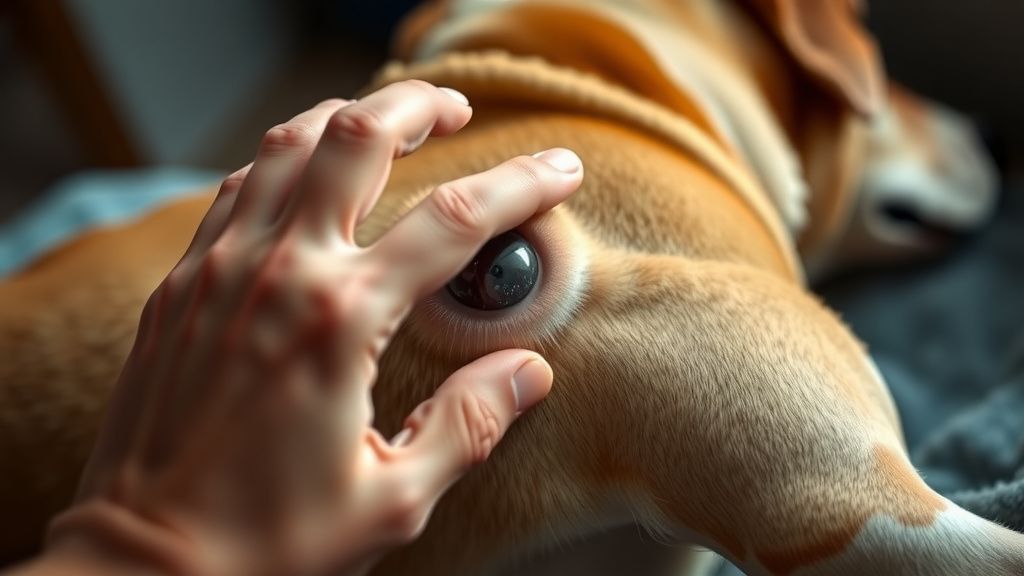
You don't need a medical degree to be your dog's first line of defense. A simple, monthly "nose-to-tail" hands on exam can help you spot changes early. Think of it as a bonding session with a health benefit. Here's how to do it, based on veterinary guidance.
The Hands On Exam
1. Start with the Head: Gently feel around your dog's muzzle, jawline, and under the chin for any swellings or lumps. Look inside the mouth if your dog is comfortable, checking gums and teeth for bleeding, masses, or bad odors.
2. Move to the Body: Run your hands over the neck, shoulders, chest, and down the back. Apply gentle pressure so you can feel beneath the fur. Note any new bumps, skin changes, or areas that seem sensitive.
3. Check the Lymph Nodes: Learn where they are: under the jaw, in the "armpits" in front of the shoulders, and in the groin area behind the knees. Feel for any pea sized or larger lumps that are new or have grown.
4. Inspect the Legs and Paws: Feel down each leg, checking the joints and between the toes. Look at the pads for cracks or growths.
5. Don't Forget the Tail End: Lift the tail and check the anal area. Look for any discharge, swelling, or bleeding.
Monitoring Daily Habits
The hands on exam is great, but observing daily behavior is equally vital. Keep a mental or quick note of:
* Energy Levels: Is your dog as eager for their morning walk as usual?
* Appetite and Thirst: Have their eating or drinking patterns changed? A sudden disinterest in a fresh dog food they usually love is noteworthy.
* Bathroom Consistency: Note the frequency, ease, and appearance of urine and stool.
* Coughing or Breathing: Listen for new or persistent sounds.
If you find anything concerning during your check, don't panic. The next step is simple: schedule a veterinary appointment. As the team at AVIMO states, if you see these signs, seek care from your primary vet. Early diagnostic steps like X-rays and bloodwork are typically where they will start.
When Should You See the Vet and What Will They Do?
Knowing when to call the vet is key. A good rule is: Any change that persists for more than a week, or any severe symptom (like bleeding or sudden collapse), warrants an immediate call. Don't adopt a "wait and see" approach with potential cancer signs. Early diagnosis opens up more treatment options.
When you visit the vet, here's what you can likely expect, based on the diagnostic process outlined in our research:
1. Detailed History: Your vet will ask you specific questions about the symptoms you've observed, their duration, and any changes in your dog's environment or diet. Your detailed observations are invaluable.
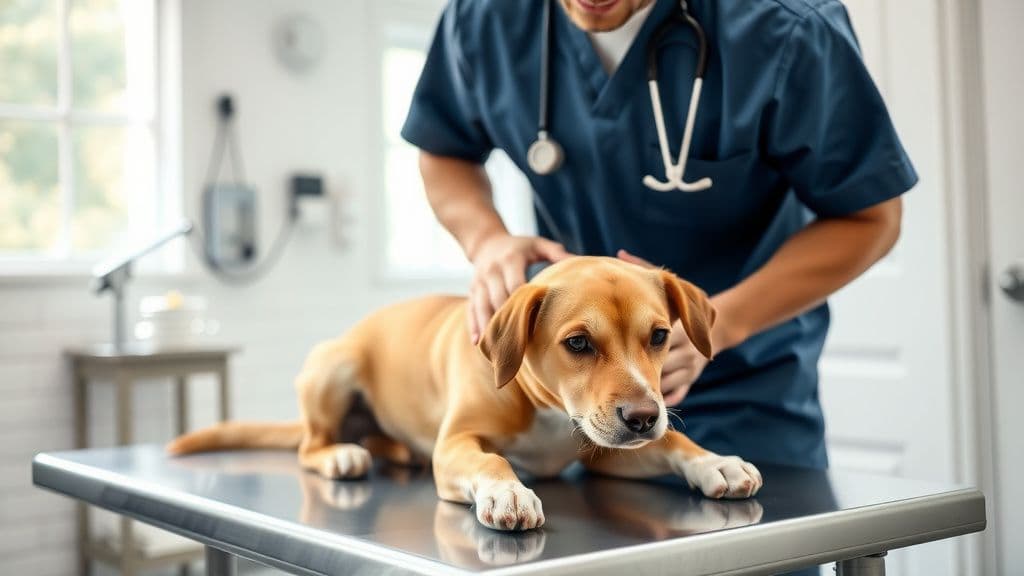
2. Complete Physical Exam: The vet will perform a more thorough version of the at home exam you did, palpating the abdomen, listening to the heart and lungs, checking lymph nodes, and examining the mouth and rectal areas.
3. Diagnostic Tests: These are crucial for determining if cancer is present and where it might be.
* Bloodwork and Urinalysis: These assess overall organ health and can point to abnormalities.
* Imaging: X-rays of the chest or abdomen are common first steps to look for masses or metastases. Ultrasound may provide a more detailed view.
* Aspiration or Biopsy: If a lump is found, the vet may use a fine needle to extract cells (aspiration) or take a tissue sample (biopsy) to be analyzed under a microscope. This is often the only way to get a definitive cancer diagnosis.
If cancer is suspected or confirmed, your primary vet may refer you to a veterinary oncologist for specialized care. Treatment options have expanded dramatically and can include surgery, chemotherapy, radiation, and immunotherapy. The goal is always to maintain a good quality of life.
Prevention and early screening are also powerful. Some studies, like one cited by Preventive Vet, found that regular veterinary evaluations every four to six months led to the detection of 82% of cancers *before* clinical signs appeared. For breeds predisposed to certain cancers, talking to your vet about a screening schedule is a proactive step you can take.
Final Thoughts
Facing the possibility of cancer in your dog is emotionally daunting, but knowledge truly is power. By familiarizing yourself with the early warning signs, from obvious lumps to subtle shifts in thirst or energy, you become an active partner in your dog's health. Incorporating a simple monthly hands on exam into your routine, paired with mindful observation of their daily habits, transforms your care into a powerful detection tool.
Remember, you are not alone in this. Your veterinary team is your greatest ally. Never hesitate to bring a concern to them, no matter how small it may seem. In the world of canine cancer, early detection is not just a cliche. It is the single most important factor that can lead to more successful treatment outcomes and more quality time with your beloved companion. For more resources on supporting your dog's overall well being, which is always a priority, explore our guide on managing dog anxiety or our reviews of services that promote health through enrichment and nutrition.
Recommended Products



Find the Perfect Box for Your Dog
Compare top-rated dog subscription boxes and find the best fit for your pup.
Compare Boxes