Revive Your Senior Dog's Appetite
If your senior dog won't eat, discover common causes and get vet approved tips to safely boost their appetite.
A senior dog not eating can be caused by medical issues like dental pain, kidney disease, or gastrointestinal problems, or by normal aging changes like decreased sense of smell. To encourage appetite, try warming their food, offering softer textures like wet food, feeding smaller meals more often, and hand feeding. If your dog stops eating for more than a day or also avoids water, contact your veterinarian immediately.
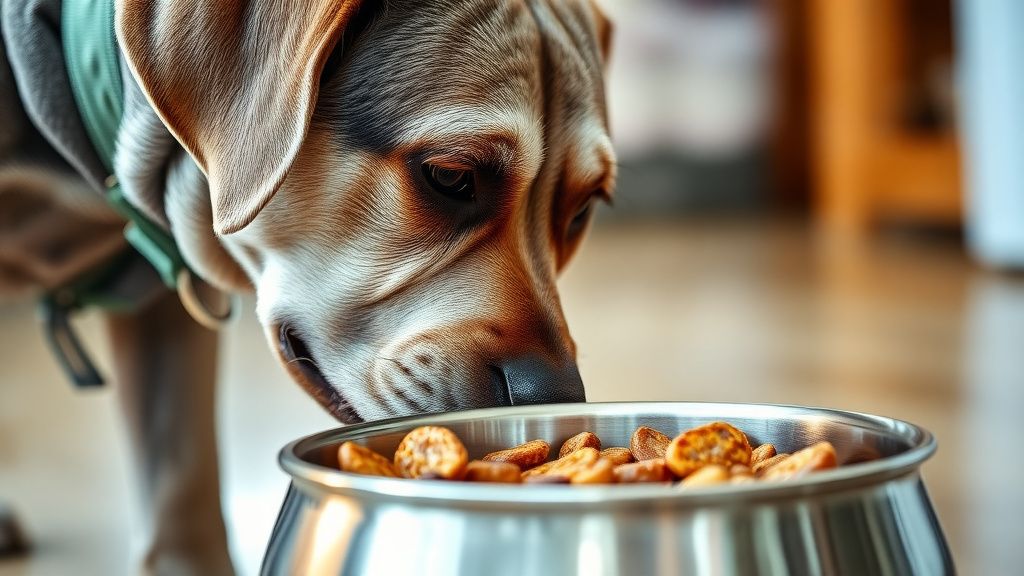
Seeing your older dog turn away from their food bowl is a heart sinking experience. You know that good nutrition is the foundation of their health and happiness, especially in their golden years. That empty bowl isn't just a missed meal. It's a signal, a question from your loyal friend that needs a thoughtful answer. Is it a simple sign of slowing down, or is something more serious happening? I've walked this path with my own senior dogs, and I understand the worry and the desire to find a gentle, effective solution. This guide will help you understand the common causes behind a fading appetite and provide practical, vet approved strategies to get your beloved companion eating again.
Why Is My Senior Dog Not Eating?
The first step is always understanding the "why." A loss of appetite, or anorexia, in an older dog is rarely just about being picky. It's usually a symptom of something else, ranging from manageable age related changes to serious health conditions. The research consistently points to two broad categories: medical causes and age related changes.
Common Medical Causes
Many health issues that become more prevalent in senior dogs can directly impact their desire to eat.
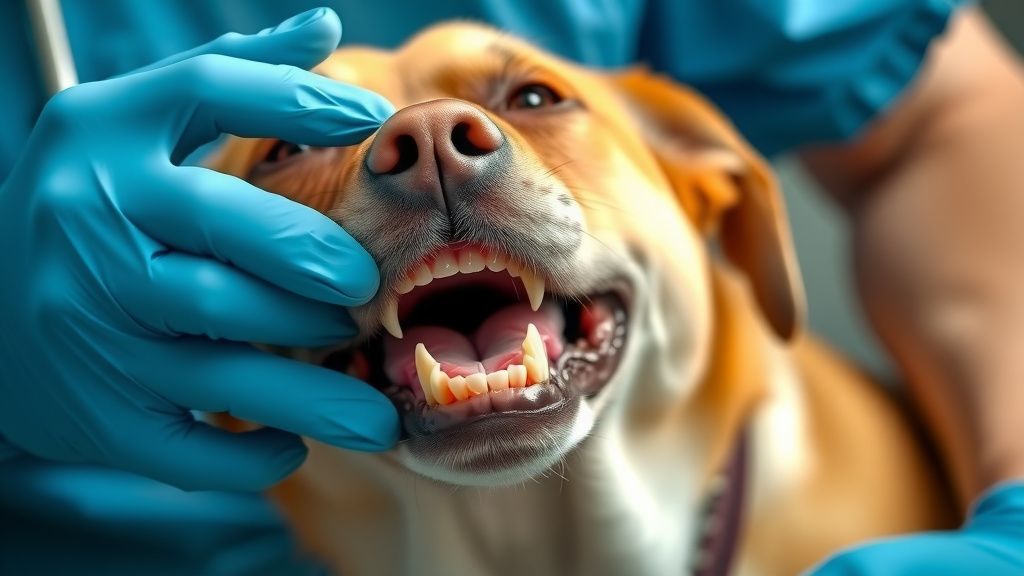
* Dental Problems: Pain from rotten teeth, inflamed gums, or oral tumors can make chewing unbearable. Your dog might approach their food but then back away, or they might swallow kibble whole to avoid the pain of chewing.
* Gastrointestinal Issues: This is a broad category. It could be a simple upset stomach from a new treat, or something more serious like a blockage, inflammatory disease, or even cancer. Nausea is a powerful appetite suppressor.
* Organ Disease: Chronic conditions like kidney disease, liver disease, or diabetes are common in older pets. These diseases can cause metabolic changes, nausea, and a general feeling of malaise that steals their interest in food.
* Pain Anywhere: Arthritis pain in their hips or back might make it uncomfortable to stand at the bowl. Pain from an infection or an injury elsewhere in the body can also depress appetite. As one source notes, addressing pain and nausea is often more effective than simply changing flavors.
* Medication Side Effects: Some drugs prescribed for other conditions can incidentally cause nausea or alter taste perception.
Normal Age Related Changes
Sometimes, the cause is less alarming but still requires adaptation.
* Decreased Sense of Smell and Taste: An older dog's senses can diminish. Food that once excited them may now seem bland and uninteresting because they can't smell it as strongly.
* Lower Energy Needs: A slower, less active lifestyle naturally requires fewer calories. Your dog might simply be less hungry, but they should still be eating regular meals.
* Cognitive Decline: Canine dementia can lead to confusion and changes in normal routines, including eating habits.
A critical rule from the research: Not eating for more than a day, or avoiding drinking their water, are both good reasons to call the vet. Always rule out medical problems first. Your veterinarian can perform tests to diagnose underlying issues, which is the essential first step before trying home solutions.
How Can I Make Food More Appealing to My Senior Dog?
Once your vet has cleared any urgent medical problems, you can focus on making meals irresistible again. The goal is to stimulate those fading senses and reduce any physical difficulty associated with eating.
Boost the Smell and Taste: Warm the food slightly. Microwaving it for a few seconds or stirring in a little warm water releases aromatic compounds. A stronger smell can trigger curiosity and excitement. As one article suggests, this might assist your dog in finding some curiosity towards the source of food. Adjust the Texture: Hard kibble can be a challenge for sore jaws or weak teeth. Soak dry kibble in warm water, broth (check with your vet for low sodium options), or goat's milk to create a softer mush. Transitioning to a high quality wet dog food can also provide a more manageable texture and has the added benefit of higher moisture content, which helps prevent dehydration. Change the Feeding Routine: Instead of two large meals, try three or four smaller ones. This can be less overwhelming and align better with a senior's potentially slower metabolism. Hand feeding can be a wonderfully effective tactic. It creates a comforting bonding experience and can help anxious or hesitant pets feel more secure. For some dogs, the personal attention is all the encouragement they need. Enhance the Food: Add a small amount of a very appealing topper. A spoonful of plain cooked chicken, a dash of salmon oil, or a bit of scrambled egg can make their regular meal novel and tasty. Be cautious and consult your vet about any new additions, especially if your dog has dietary restrictions. Sometimes, a novel best dog treats used as a meal starter can spark their interest.What Should I Feed My Older Dog That Won't Eat?
Choosing the right food is paramount. The research emphasizes offering softer textures and avoiding constant diet switching, which can upset their stomach further. Here are some options to discuss with your veterinarian.
Wet or Moist Food: Canned food, pouches, or gently cooked fresh food are easier to eat and often more palatable. Services that offer fresh dog food delivery can provide balanced meals with the texture and smell that seniors need. Hydrated Kibble: As mentioned, soaking your dog's current dry kibble is a simple first step. It maintains dietary consistency while solving the hardness problem. Prescription Diets: If your dog has a diagnosed condition like kidney disease, your vet will likely recommend a specific therapeutic diet formulated to support that organ and be highly digestible. Homemade or Supplemental Meals: In some cases, vets might recommend a simple homemade meal like boiled chicken and rice for a short period to settle the stomach. Always get veterinary approval for homemade diets to ensure they are nutritionally complete. You can also explore vet recommended senior dog supplements to support overall health, which may improve their general well being and appetite.Remember, the focus should be on nutritional quality and appropriateness for your dog's specific health status, not just on finding any food they will eat. A sudden switch to a rich, fatty diet can cause pancreatitis, a serious illness.
When Should I Seek Veterinary Help?
This is perhaps the most important section. Knowing when to move from home care to professional care protects your dog. The research provides clear red flags.
* Complete refusal to eat for more than 24 hours.
* Refusal to drink water. This is especially urgent.
* Any other symptoms accompanying the appetite loss: vomiting, diarrhea, significant lethargy, obvious pain (whining, limping), rapid weight loss, or changes in breathing.
* You've tried practical encouragement tips for a couple of days with no improvement.
Your veterinarian has tools beyond dietary changes. They can provide treatments for the underlying disease, manage pain and nausea with medication, and even prescribe appetite stimulants. These are drugs specifically designed to trigger hunger and can be very helpful for dogs recovering from illness or dealing with declining health. Do not attempt to use any human appetite stimulants. Always follow your vet's guidance.
How Can I Maintain My Senior Dog's Quality of Life?
Encouraging eating is one part of a larger picture. Your senior dog's overall comfort and happiness directly influence their appetite. Think of their environment and daily life.
Ensure Easy Access: Make sure their food and water bowls are in a comfortable, quiet location. For a dog with arthritis, raise the bowls to a height that doesn't require bending down. Ensure they can get to their eating area without navigating slippery floors or stairs. Manage Stress: A calm environment helps. Reduce loud noises, avoid stressful interactions with other pets, and provide a consistent routine. Anxiety can suppress appetite. For more on creating a peaceful environment, our dog anxiety guide offers extended advice. Combine Eating with Comfort: Gentle petting or quiet talking during hand feeding sessions can turn a meal into a positive, reassuring experience. Keep mealtimes low pressure. Never scold a dog for not eating. This only adds stress. Monitor and Adapt: Use a weight calculator tool to track their body condition. Regularly assess their energy levels, comfort, and enjoyment of life. Their needs will change, and your approach to their care, including their diet, should evolve with them.Final Thoughts
Walking alongside a senior dog is a privilege. Their changing needs are an invitation to deepen our care and observation. When your old friend loses their appetite, see it as a conversation. Listen first with a veterinary visit to rule out illness. Then, speak with patience and creativity through warmed meals, softer foods, and your own loving hands during hand feeding. Sometimes the solution is simple. Other times, it requires medical partnership. Throughout this journey, your goal is not just calories consumed, but comfort provided and joy shared. Those shared moments, even the quiet ones at the food bowl, are the essence of their golden years.
Recommended Products



Find the Perfect Box for Your Dog
Compare top-rated dog subscription boxes and find the best fit for your pup.
Compare Boxes