Stop Dog Resource Guarding Safely
Stop your dog's guarding behavior safely with expert tips for a happier, stress free home.
Resource guarding is a dog's behavior of aggressively protecting items they consider valuable, like food, toys, or space, by using growls, stares, or snaps. It is a serious but manageable behavior rooted in anxiety, not dominance. Safely address it through management, positive reinforcement training like the "trade up" game, and by never punishing warning signs. For severe cases, always consult a veterinarian or a certified behaviorist.
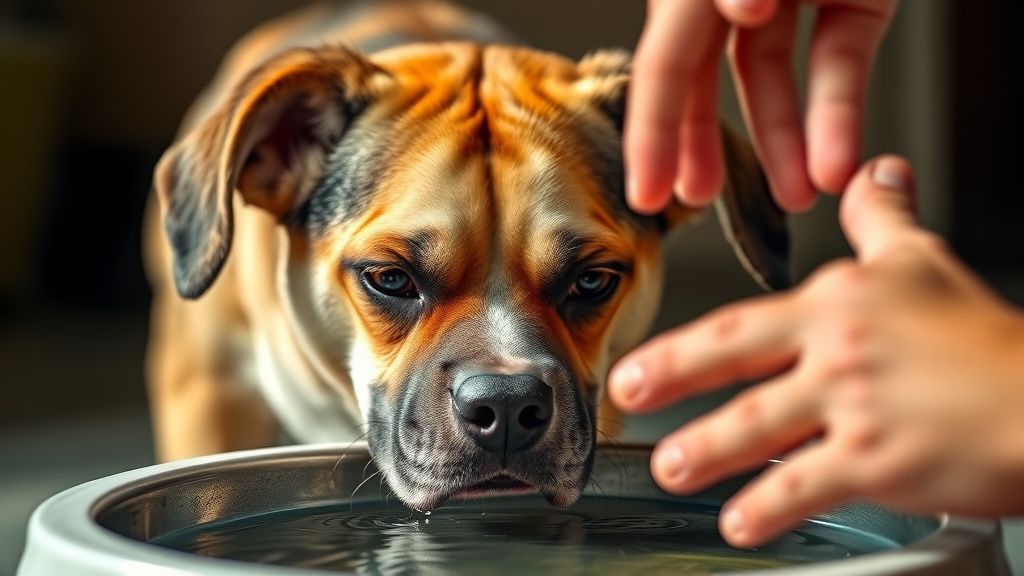
You reach down to refill your dog's water bowl and are met with a low, rumbling growl. You walk past your dog while they're chewing a favorite bone and they freeze, their eyes locked on you. Maybe you go to sit on your couch and your dog, already comfortably settled, gives you a hard stare that makes you pause. That chill down your spine is a real, important signal. Your dog is resource guarding, and it's one of the most common, and potentially dangerous, behaviors dog owners face. At its core, resource guarding is a dog's way of saying "Mine!" with an object, space, or person they consider highly valuable.
This behavior isn't about your dog being "bad" or trying to dominate you. Experts clarify that dogs who guard are responding to a perceived threat, not the actual action. They don't distinguish between someone who intends to take something and someone who's just passing by; if they think you're a threat, they will react. This is exactly why it's problematic. The good news, supported by all the research, is that with patience, positive reinforcement, and consistent training, you can manage this behavior and help your dog feel safer.
What Is Resource Guarding and Why Does It Happen?
Resource guarding is a natural, survival based behavior where a dog uses threats or aggression to maintain control over something they value. This can be directed at people, other dogs, or even other pets. The "resource" can be anything: food, toys, stolen items like socks, beds, furniture, or even a favorite person.
Dogs guard because they are worried the resource will be taken away. This anxiety can stem from several factors. For some dogs, especially those from shelters or with uncertain pasts, scarcity may have been a reality. They learned to compete or protect what they had. For others, the behavior might have been accidentally taught. I've seen cases where a dog's guarding was directly influenced by an owner frequently pulling things from their mouth, whether it was a dangerous item or a high value chew. The dog learns that hands approaching mean something wonderful is about to disappear, so they try to prevent it.
It's also crucial to rule out medical causes. The Veterinary Partner resource strongly advises that any sudden onset of guarding in an adult dog should prompt a vet visit. Pain, neurological issues, or other medical problems can lower a dog's tolerance and trigger new behaviors. Always start by letting your veterinarian know what's going on.
How to Recognize the Early Warning Signs
Catching guarding behavior early, before it escalates to a snap or bite, is the key to safe intervention. Dogs almost always give subtle, then more obvious, warning signals. Punishing these warnings, like scolding a growl, is one of the worst things you can do. It teaches your dog to skip the growl and go straight to a bite.
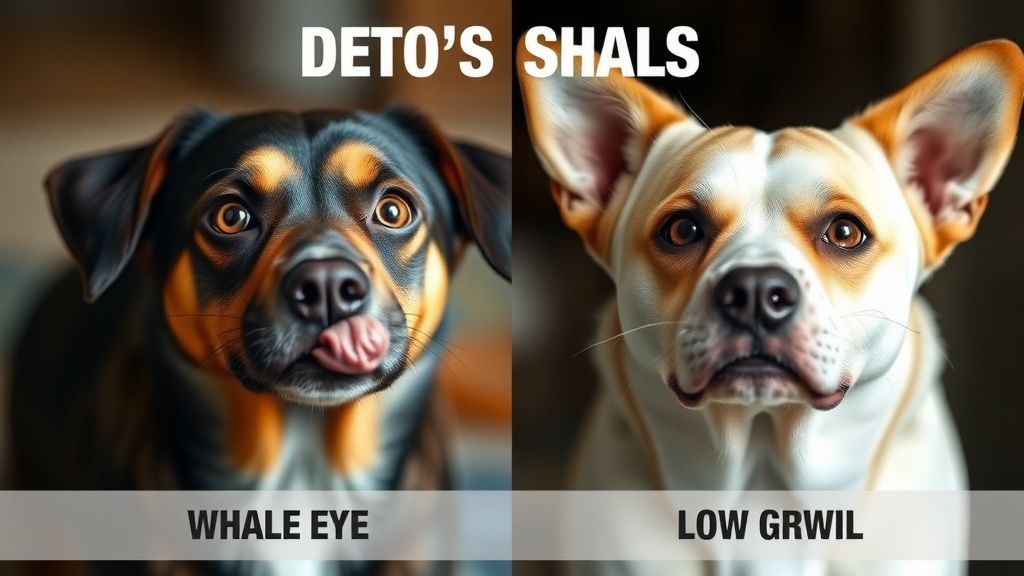
Learn to read your dog's body language. Early signs are often about creating distance between the resource and the perceived threat.
* Subtle Signs: The dog might turn their head away, lick their lips, slow down or stop chewing, show the whites of their eyes (whale eye), or freeze completely with a rigid body.
* More Obvious Signs: A hard, direct stare at the person or animal approaching. A low growl, a curled lip, or a snarl.
* Escalated Signs: A snap, lunge, or bite.
As the American Kennel Club notes, the dog is responding to the *trigger* of someone approaching, not necessarily your intent. Recognizing that tense freeze over a toy as a red flag allows you to change your approach and begin a training plan.
What NOT to Do When Your Dog Guards
Many common reactions to guarding are not just unhelpful, they actively make the behavior worse and more dangerous. Based on expert advice from sources like Preventive Vet and Dog Gone Problems, avoid these pitfalls.
* Do Not Punish Growling. A growl is a critical communication. If you punish it, you silence the alarm system. The underlying anxiety remains, and the next warning could be a bite.
* Do Not "Show Them Who's Boss." Forcing your hand into their bowl, alpha rolling them, or taking items by force increases fear and anxiety, reinforcing the idea that people are indeed a threat to their resources.
* Do Not Ignore Serious Guarding. While the Academy for Dog Trainers notes that acceptance is appropriate for *mild* guarding that never involves injury, serious guarding that includes snaps, lunges, or bites cannot be safely ignored. It requires a proactive plan.
* Do Not Create Unnecessary Confrontations. If your dog has a stolen item, unless it's immediately dangerous, don't engage in a tug of war. This turns it into a high stakes game they feel they must win.
A Safe, Step-by-Step Training Plan to Reduce Guarding
The goal of training is to change your dog's emotional response. We want them to think, "A person approaching means something even better is coming!" instead of "A person approaching means my good thing is leaving." This is done through desensitization and counter conditioning.
Step 1: Management FirstSafety is paramount. Manage the environment to prevent rehearsals of the guarding behavior. This might mean:
* Feeding a dog who guards food in a separate room or crate.
* Picking up high value toys and only giving them when dogs are separated.
* Creating a "no peanut butter Kong" rule if it causes issues between pets, as suggested by PetMD.
* Giving your dog their own space for cherished items where they won't be disturbed.
Step 2: The "Trade Up" GameThis is the cornerstone of positive reinforcement training for guarding. You will trade the guarded item for something of higher value.
1. Start with a low value item your dog likes but doesn't guard. Have an amazing "trade up" treat ready, like a piece of chicken or a special treat you might find in a dog subscription box.
2. Say "Drop it" or "Trade" in a happy voice and show them the high value treat.
3. The moment they drop the item, give them the treat and praise lavishly. Then, *immediately give the original item back*. This is crucial. It teaches them that giving something up doesn't mean losing it forever; it means getting something great and then getting their thing back.
4. Practice this repeatedly with different items, gradually working up to higher value objects.
Step 3: Desensitize to "The Approach"For food bowl guarding, you can work on changing their feelings about your presence during meals.
* Start by standing at a distance where your dog is comfortable eating without showing tension. Toss an incredible treat (like a bit of fresh dog food or freeze dried liver) toward their bowl as you walk by. Do not reach for the bowl.
* Gradually, over many sessions, decrease the distance. You can progress to walking closer, then to adding food to the bowl with a spoon, and eventually to picking up the bowl, adding a fantastic treat, and giving it right back.
* Every step should be calm and positive. If you see any sign of stress, you've moved too fast. Go back to the previous step.
When to Seek Professional Help
While mild cases can often be managed with diligent training, some situations require expert intervention. You should seek help from a certified professional dog trainer or a veterinary behaviorist if:
* The guarding has ever resulted in a bite, whether it broke skin or not.
* The behavior is escalating in intensity or frequency.
* You feel afraid of your dog or are unable to safely manage the environment.
* The guarding is between multiple dogs in your home, especially if there's any injury or you're unsure if it's safe play.
* You've tried consistent positive training and haven't seen progress.
Your veterinarian is the best first point of contact. They can rule out medical causes and provide a referral to a qualified behavior expert. As the Chewy article emphasizes, professional guidance can create a tailored plan that keeps everyone safe.
Final Thoughts
Resource guarding can feel scary and personal, but try to see it for what it is: a signal of your dog's anxiety. Your job isn't to win a power struggle, but to become the source of all good things, building enough trust so they no longer feel the need to protect. Celebrate the small wins. The day your dog looks up at you with a wagging tail when you approach their chew, instead of freezing, is a huge victory.
Remember, management is not failure. Using baby gates, feeding separately, or controlling access to high value items are responsible strategies that prevent stress and keep the peace. Pair this management with consistent, positive "trade up" games. For more on helping an anxious dog, our dog anxiety guide offers additional strategies. With empathy, consistency, and sometimes professional support, you can help your dog feel more secure and create a safer, happier home for everyone.
Recommended Products

Find the Perfect Box for Your Dog
Compare top-rated dog subscription boxes and find the best fit for your pup.
Compare Boxes