Boost Your Dog's Immunity And Digestion

Unlock your dog's health potential with probiotics, proven to strengthen immunity and improve digestion from the inside out.
Yes, probiotics for dogs can genuinely boost both digestion and immunity. Scientific research shows that a healthy gut, where probiotics work, contains about 70% of a dog's immune system. By normalizing digestive conditions and populating the gut with beneficial bacteria, probiotics directly support immune function and improve digestive processes like nutrient absorption and stool quality.
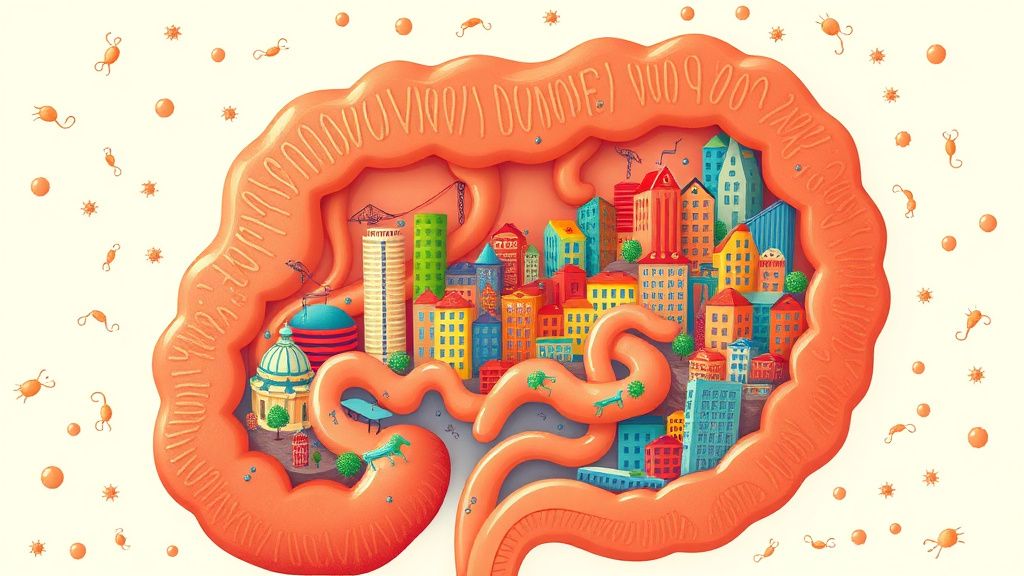
You want the absolute best for your dog, from the food in their bowl to the spring in their step. Lately, you've probably seen the word "probiotics" popping up everywhere, from dog food labels to supplement aisles. It sounds promising, but is it just another pet health trend, or is there real science behind it? As someone who spends a lot of time researching how to support our canine companions, I've watched the conversation around gut health evolve from a niche topic to a central pillar of wellness. The answer, backed by veterinary institutions and ongoing research, is that probiotics offer tangible, science supported benefits. They're not a magic cure all, but they play a crucial role in maintaining a balanced internal ecosystem. Think of your dog's gut as a bustling city. Probiotics are the friendly, helpful citizens that keep everything running smoothly, from waste management (digestion) to the local defense force (immunity). Let's explore how these microscopic allies work and how you can use them to support your dog's health.
What Exactly Are Probiotics and How Do They Work?
Probiotics are live, beneficial microorganisms, primarily bacteria and some yeasts, that confer a health benefit when administered in adequate amounts. They aren't a foreign substance. Billions of these bacteria naturally reside in your dog's intestinal tract, forming a complex community known as the gut microbiome. This isn't just a passive collection of germs. It's a dynamic, working organ system.
The microbiome, with probiotics as key players, has several vital jobs. It helps break down food, fights off potential pathogens, manufactures certain vitamins and nutrients, and, critically, bolsters the immune system. The goal of giving a probiotic supplement or probiotic rich dog food isn't to introduce something alien. It's to reinforce the existing population of good bacteria, especially when their numbers might be depleted.
Probiotics work through several proven mechanisms. They improve the balance of the intestinal microbiota, essentially helping the good guys outnumber the bad. They enhance the integrity of the gut's epithelial barrier, which acts as a gatekeeper, allowing nutrients in while keeping harmful substances out. Furthermore, they help maintain immune homeostasis, meaning they help regulate and support the immune system's responses. Some strains, like certain *Bacillus* species, are noted for directly supporting the immune response, while others, such as *Enterococcus faecium*, have been shown to shorten the duration of diarrhea in dogs.
The Direct Link Between Probiotics and Your Dog's Immunity
This is where the research gets particularly compelling. You might think of the immune system as being centered in the bloodstream or lymph nodes, but a staggering fact from the Cornell University College of Veterinary Medicine changes that perspective. They report that approximately 70% of your dog's immune system is located in their gastrointestinal tract.
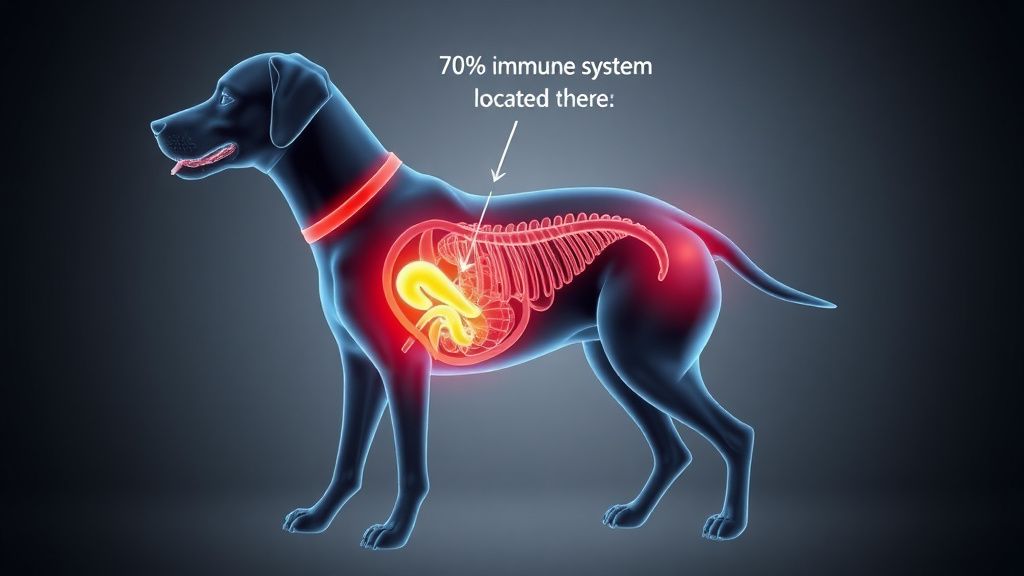
Let that sink in for a moment. The front line of your dog's defense against illness isn't just their skin or white blood cells. It's the lining of their gut. This makes perfect sense when you consider that the digestive tract is a major entry point for pathogens from the outside world. Probiotics act as essential reinforcements for this frontline defense.
By normalizing the conditions in the digestive system, probiotics allow the immune system to function properly. They don't "boost" immunity in an uncontrolled way. Instead, they help modulate and support it. Research indicates they can inhibit the colonization of harmful pathogens through a process called colonization resistance, where good bacteria simply out compete bad ones for space and resources. Some probiotics even produce their own antimicrobial substances. Studies, including one cited by experts, show probiotic treatment can enhance host immunity by stimulating antibody secretion. This means a well supported gut microbiome, fueled by probiotics, helps your dog's body mount a more effective and efficient response to threats, potentially leading to fewer sick days and a stronger overall constitution.
How Probiotics Actively Support Digestion and Gut Health
While the immune benefits are profound, the digestive support probiotics provide is often the most immediately noticeable for pet parents. A happy gut typically means a happy dog with predictable potty habits.
The benefits here are multifaceted. First, probiotics aid in the digestion and breakdown of food. They help produce enzymes that can make nutrients more bioavailable, meaning your dog gets more nutritional value from the same bowl of kibble or fresh dog food. This enhanced nutrient absorption is a key reason some dogs on probiotics seem to have more energy and a shinier coat.
Second, they play a direct role in stool quality and digestive comfort. An imbalanced gut often leads to loose stools, diarrhea, constipation, or excessive gas. By restoring balance, probiotics promote the formation of firm, well formed stools. This is not just anecdotal. Specific strains have clinical evidence behind them. For instance, the strain *Enterococcus faecium* is recognized for its ability to shorten the course of diarrhea in dogs.
Finally, probiotics contribute to a resilient gut environment. They help maintain the mucosal lining and support the tight junctions between intestinal cells. Think of this as repairing and strengthening the walls of that bustling gut city, making it harder for troublemakers to cause leaks or damage. This overall support can be especially valuable for dogs with sensitive stomachs or those undergoing dietary transitions.
Choosing the Right Probiotic for Your Dog
With so many options on the shelf, from powders and capsules to chews and fortified foods, choosing can feel overwhelming. The goal is to find an effective, high quality product your dog will actually take. Here’s a practical framework based on expert guidance.
Look for Key Strains: Not all probiotics are created equal. Seek out products that contain strains with documented benefits for dogs. Research frequently mentions genera like *Lactobacillus* (e.g., *L. acidophilus*), *Bifidobacterium* (e.g., *B. animalis*), and *Bacillus*. A product listing specific strains, not just genera, often indicates a more formulated and researched product. Check the CFU Count: CFU stands for Colony Forming Units. This number tells you how many live, viable bacteria are in each dose. More isn't always automatically better, but you do want a potent product. Many effective dog probiotics range from 1 to 10 billion CFU per dose. The count should be guaranteed "at time of manufacture," but even better is a guarantee "through the expiration date," ensuring potency lasts. Consider the Delivery Format:* Powders: Often very potent and easy to mix into wet food. This can be a great option for precise dosing.
* Capsules: Good for potency and avoiding taste, but some dogs won't swallow them. You can often open them and sprinkle the contents on food.
* Chews or Treats: These are highly palatable and easy to administer. They can be a perfect fit for daily routines and are a great alternative to standard best dog treats. Just ensure the treat isn't loaded with unnecessary fillers or sugars that could counteract the probiotic benefit.
* Fortified Foods: Some premium fresh or freeze dried dog foods now include probiotics. This is a convenient way to integrate them into every meal.
Storage Matters: Always follow the storage instructions. Some probiotics require refrigeration to keep the bacteria alive, while shelf stable strains do not. A subscription service like a dog subscription box can be fantastic for probiotics, as it ensures you never run out and delivers fresh, properly stored product right to your door.When to Consider Probiotics and Important Cautions
Probiotics can be used as a daily supplement for overall wellness, much like a multivitamin. However, there are specific situations where they can be particularly beneficial.
Consider starting a probiotic when your dog is:
* On antibiotics: Antibiotics are lifesaving, but they don't discriminate. They can wipe out beneficial gut bacteria along with the bad. Giving a probiotic a few hours apart from the antibiotic dose can help repopulate the gut.
* Experiencing digestive upset: For episodes of diarrhea, soft stool, or excessive gas related to stress, dietary indiscretion, or minor illness.
* Under significant stress: Events like boarding, travel, moving, or introducing a new pet can disrupt gut flora. A probiotic can provide support during these times. For more on managing stress, our dog anxiety guide has helpful tips.
* Transitioning foods: When switching to a new dog food delivery plan or diet, a probiotic can ease the transition and support gut adaptation.
* Aging or with chronic conditions: Older dogs or those with ongoing health issues may benefit from the digestive and immune support.
It is crucial to talk to your veterinarian before starting any new supplement. While probiotics are generally safe, they may not be suitable for dogs with severely compromised immune systems or certain critical illnesses. Your vet can recommend a specific product and dosage tailored to your dog's size, age, and health status. Start with a lower dose to ensure your dog tolerates it well, watching for any signs of increased gas or bloating, which usually subside as the gut adjusts.
Final Thoughts
The question of whether probiotics really work for dogs isn't just marketing hype. It's a question with a resounding, science backed "yes." By directly supporting the gut where most of the immune system lives, and by actively aiding in digestion and nutrient absorption, probiotics serve as fundamental tools for canine wellness. They help normalize your dog's internal environment, making them more resilient to everyday stressors and pathogens.
Integrating probiotics can be simple. Whether you choose a daily chew that feels like a treat, a powder mixed into their favorite fresh dog food, or a capsule from your vet, you're making an investment in your dog's long term health. Think of it as routine maintenance for the most important system you rarely see. By nurturing your dog's microbiome, you're not just aiming for better digestion today. You're helping to build a stronger foundation for their immunity and vitality for all the tomorrows to come.
Find the Perfect Box for Your Dog
Compare top-rated dog subscription boxes and find the best fit for your pup.
Compare Boxes