Lavender Poop Bags Eco Friendly or Hype
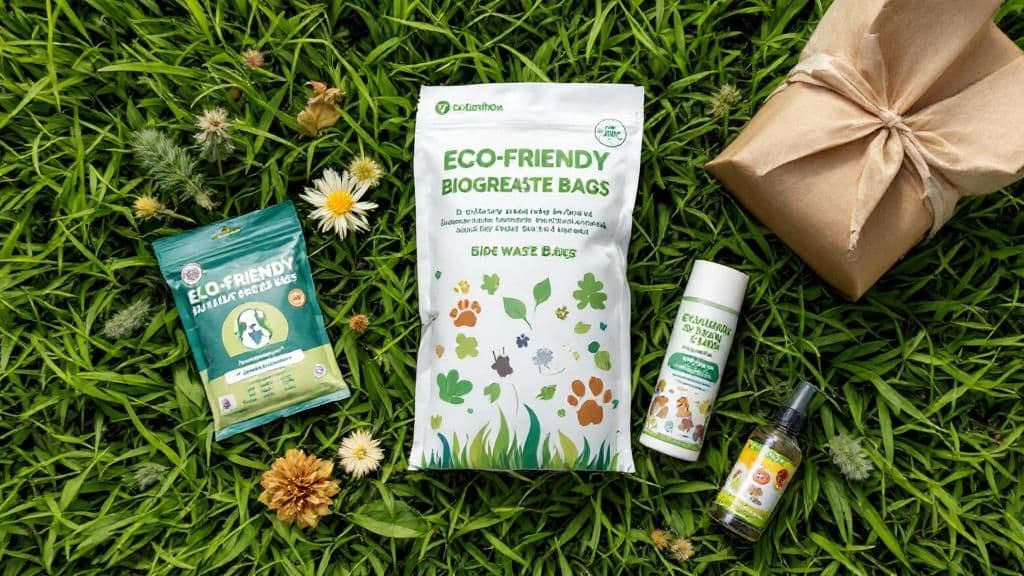
Discover if lavender scented poop bags are a sustainable innovation or just clever marketing in disguise.
Lavender-scented poop bags are mostly marketing hype — the scent provides temporary odor masking but doesn't make them more eco-friendly. Most are still standard plastic with fragrance added. For truly environmental choices, look for ASTM D6400-certified compostable bags regardless of scent, and check if your city accepts compostable bags in green waste.
You're on your morning walk, the sun is just coming up, and your pup does their business. You reach for a poop bag, and this time, it's a soft lavender color and smells faintly of flowers. It feels different, maybe a bit thicker. You've heard these lavender-tinted bags are better for the planet. But as you tie it off and head to the trash, a quiet question pops into your head: are these bags actually making a difference, or did I just pay extra for a pretty color? I've been there, standing at the pet aisle, wondering if the greener choice is right in front of me or just clever marketing. Let's clear the air and sort the substance from the scent.
What Are Lavender Poop Bags, Really?
At first glance, they look like any other roll of dog waste bags, but with a distinctive pale purple hue. The lavender aspect typically refers to two things: the color and, often, a light fragrance. But the real story isn't about the color or the smell. It's about the material.
Most conventional poop bags are made from polyethylene, a petroleum based plastic that's cheap and durable. It's the same stuff used in grocery bags. Lavender bags, on the other hand, are frequently marketed as a biodegradable or compostable alternative. They are usually made from materials like cornstarch (PLA), vegetable based polymers, or other plant derived resins. The lavender pigment can sometimes be a natural indicator, though it's often just a branding choice to make them stand out as an "eco" product.
The key is to read the label, not just trust the color. A truly eco conscious bag will have certifications printed right on the box or roll.
The Promises They Make
Manufacturers of these bags generally make a few core claims. They say the bags break down much faster than traditional plastic, sometimes in specific conditions like industrial composting facilities. They claim the materials are sourced from renewable plants, not fossil fuels. And they often promote a reduced carbon footprint in production. It's a compelling pitch for any dog owner who lugs dozens of plastic bags to the landfill each month.
The Science Behind the Breakdown
This is where we need to get our hands dirty. The terms "biodegradable," "compostable," and "oxo degradable" are thrown around a lot, but they don't mean the same thing. Understanding this distinction is the most important part of making an informed choice.
Biodegradable simply means an item can be broken down by microorganisms like bacteria and fungi. Technically, given enough time (centuries), even regular plastic is biodegradable. This term alone, without specific context, is almost meaningless. Compostable is a stronger, regulated term. For a product to be certified compostable, it must break down into natural elements in a compost environment within a specific timeframe (usually 90 to 180 days), leaving no toxic residue. The catch? This almost always refers to industrial composting facilities, which maintain high, consistent heat. Your backyard compost pile likely doesn't get hot enough. Oxo degradable plastics are conventional plastics with additives that make them fragment into microplastics when exposed to sunlight and air. They do not truly biodegrade into harmless organic matter. Many environmental agencies warn against these.A 2019 study from the University of Plymouth tested several "eco" bags, including some labeled as biodegradable and compostable. After three years buried in soil or submerged in seawater, many were still intact enough to carry shopping. The bags that did break down in industrial composters performed as promised, but those conditions are not typical in landfills.
The data suggests that for a lavender bag to be effective, it needs two things: a legitimate certification (like BPI, OK Compost, or DIN CERTCO) and access to the correct disposal system.
Practical Pros and Cons for the Dog Owner
Let's move from the lab to the sidewalk. What does using these bags actually feel like day to day?
Potential Advantages:* Reduced Plastic Guilt: There's a genuine psychological benefit. Knowing you're using a product made from plants, not oil, can make the daily chore feel a little better. I've spoken to many owners in my writing who switch for this reason alone.
* Performance: Many premium compostable bags are surprisingly strong and leak resistant. They often have a different, slightly thicker texture that feels more substantial. The lavender scent, while subtle, can help mask odors on a hot day before disposal.
* Supporting Innovation: Purchasing these products drives demand for better materials and waste management infrastructure. It signals to companies that dog owners care about sustainability.
Real World Drawbacks:* Cost: This is the biggest hurdle. A roll of certified compostable bags can cost two to three times more than a basic plastic roll. For a multi dog household, this adds up quickly.
* Disposal Confusion: Here's the critical flaw. If you toss a certified compostable bag into a regular trash can, it goes to a landfill. Landfills are designed to be anaerobic (without oxygen), which drastically slows decomposition. That bag might not break down much faster than regular plastic. To work as intended, it needs to go to an industrial composter.
* Greenwashing Risk: Some bags are simply conventional plastic dyed lavender with a floral scent added. They offer no environmental benefit. You must become a label detective.
Actionable Advice for Smart Use
1. Ignore the Color, Read the Fine Print: Look for a third party certification on the packaging. The words "certified compostable" with a logo are key.
2. Check Your Local Facilities: Call your city's waste management department. Ask if they have an industrial composting facility that accepts pet waste and compostable bags. If they don't, the bag's primary benefit is nullified at the point of disposal.
3. Conduct a Home Test: Before buying a bulk supply, get a small roll. Test its strength. Does it tear easily? Are the seams secure? A bag that fails during use is worse than no bag at all.
4. Consider the Entire Lifecycle: Sometimes, the most eco friendly option is to use a very durable, recycled plastic bag and ensure you use it properly, rather than switching to a compostable bag that ends up in the wrong stream.
How They Fit Into a Greener Dog Care Routine
Choosing a poop bag shouldn't be your only eco conscious decision. Think of it as one piece of a larger puzzle. A truly sustainable approach to dog ownership looks at the whole picture.
Pair with Other Sustainable Choices:* Dog Food Delivery: Many modern dog food delivery services now focus on sustainable sourcing. They use proteins with a lower environmental impact, like insects or responsibly farmed fish, and prioritize recyclable or compostable packaging. Reducing the carbon footprint of your dog's diet can have a bigger impact than their poop bags.
* Treats and Toys: Seek out the best dog treats made with single source, ethically sourced ingredients. Choose toys made from natural rubber, hemp, or recycled materials instead of virgin plastics.
* The Bigger Picture with Subscription Boxes: When evaluating a dog best dog subscription boxes, look at their packaging ethos. Do they use excessive plastic filler? Or do they use shredded paper, cornstarch peanuts, and minimal wrapping? A company that thinks holistically about its environmental impact is a company worth supporting.
The Verdict on Waste Systems:For urban dwellers with access to municipal compost, using certified compostable bags and disposing of them in the green bin (if your city allows pet waste) is a fantastic step. For everyone else, the equation is trickier. In those cases, the most responsible action might be to use the most reliable bag you can find and advocate for better community composting programs.
Final Thoughts
So, are lavender poop bags eco friendly or just hype? The answer is frustratingly, but honestly, "it depends." They are not a magic bullet. A certified compostable lavender bag, used correctly and disposed of in the proper industrial composting facility, is a genuinely better choice for the planet. It represents a move away from fossil fuels and towards a circular system. That is not hype.
But the lavender bag tossed mindlessly into a sealed trash bag headed for a landfill? That's likely just green colored guilt relief. The hype lies in the assumption that buying the bag is enough, without the necessary infrastructure to support it.
My advice is this: don't let the perfect be the enemy of the good. Start by getting informed. Read those labels. Make one phone call to your waste management provider. If the system exists to support compostable bags, make the switch. If it doesn't, direct your energy and dollars toward other impactful areas of your dog's life, like their food, treats, and toys. The goal is progress, not perfection. Every dog owner making more thoughtful choices, even small ones, adds up to a cleaner world for all our pups to play in.
Recommended Products



Find the Perfect Box for Your Dog
Compare top-rated dog subscription boxes and find the best fit for your pup.
Compare Boxes