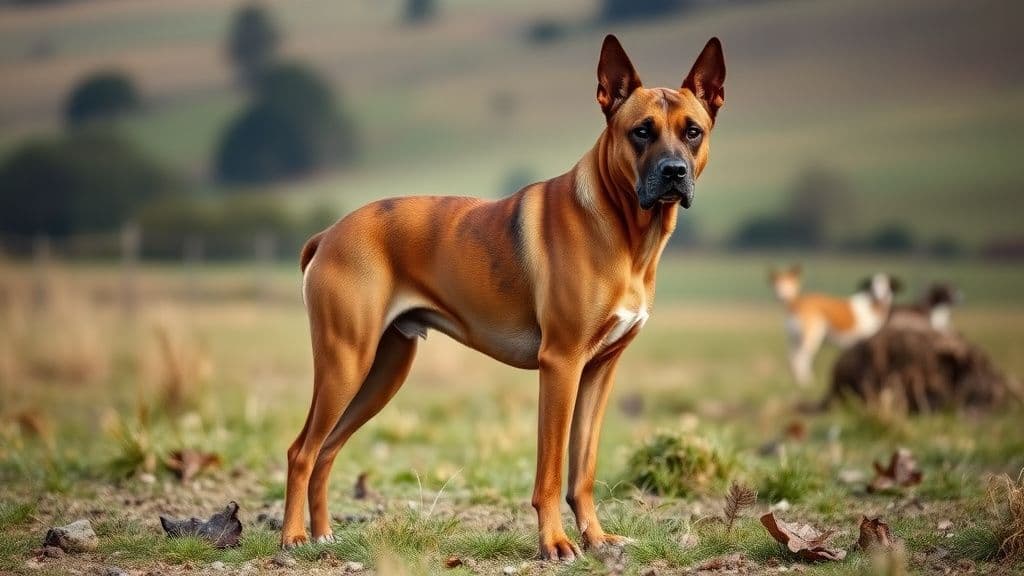
Kishu Ken Complete Breed Guide
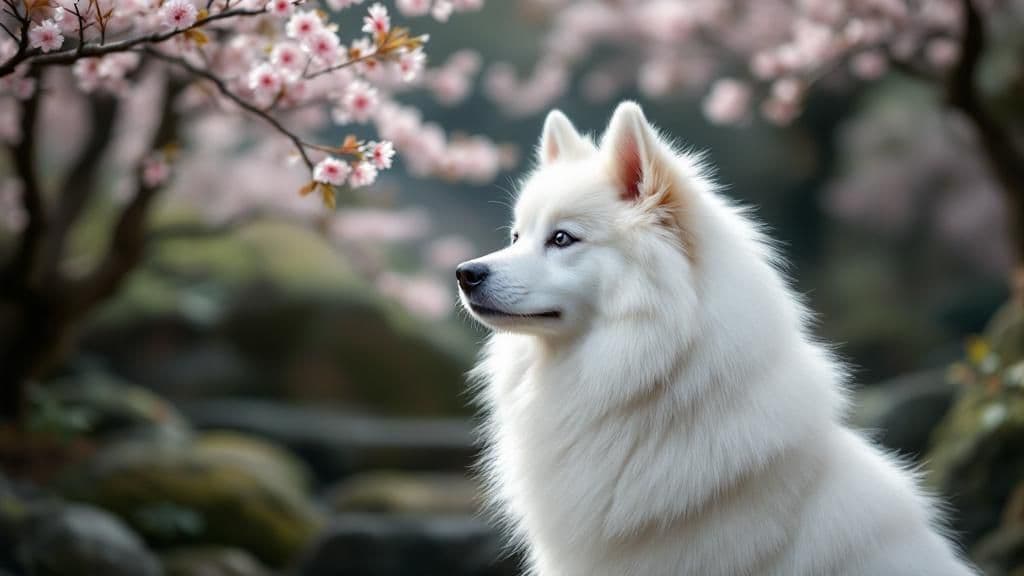
Everything you need to know about the Kishu Ken: temperament, care, training, and whether this breed is right for your family.
There's a certain quiet dignity to the Kishu Ken that you feel the moment you meet one. As a breed expert who has worked with dozens of Kishu Kens, I'm always struck by their calm, observant presence. They aren't the dog bouncing off the walls for your attention; instead, they offer a steady, watchful gaze that speaks of centuries of purpose. This is an ancient Japanese treasure, a medium sized spitz breed forged in the mountainous regions of Japan as a versatile hunting companion. Today, they remain a rare and devoted partner, embodying a unique blend of silent strength and deep affection for their chosen family. Let's get to know this remarkable breed.
Breed Overview
If I had to summarize the core of the Kishu Ken in a few words, it would be faithful, docile, and very alert. This isn't a breed that wears its heart on its sleeve for strangers, but within the family circle, they reveal a docile and affectionate side. They form profound bonds and are known for their unwavering loyalty and intelligence.
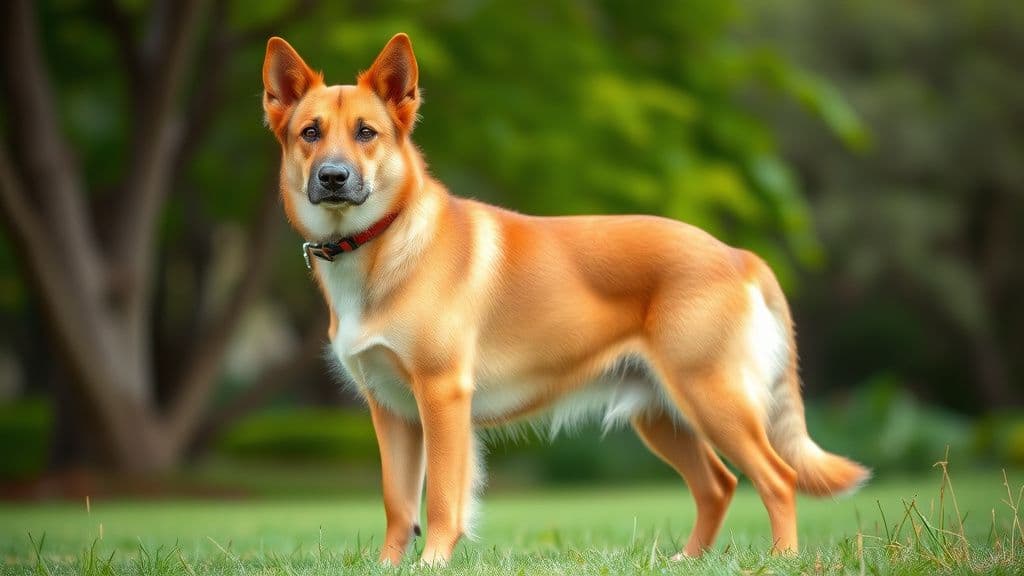
They are a study in balanced elegance, built for stamina and agility. The official parent club describes them as a sharp and nimble dog with moderate reach and drive, moving with an elastic and light gait that allows them to navigate steep, challenging terrain with minimal effort. They typically stand 17 to 22 inches at the shoulder and weigh between 30 to 60 pounds, presenting a picture of sturdy, compact power.
This is a thinking dog with high energy that needs a constructive outlet. They are both affectionate and independent, capable of deep companionship but also content with their own thoughts. Their strong predatory instincts are a fundamental part of their character, which can make them unpredictable around other dogs and aggressive toward smaller animals like cats or rabbits. With a lifespan typically ranging into the mid teens, a Kishu Ken is a long term commitment to a singularly devoted canine partner.
History and Origins
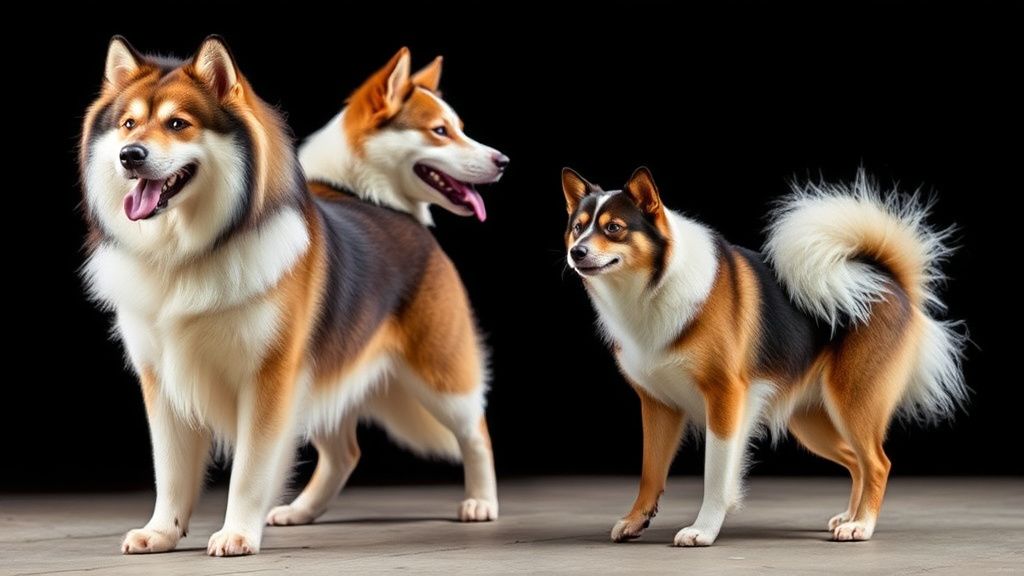
The Kishu Ken's history is woven into the rugged landscape of the Kii Peninsula in Japan, for which the breed is named. They are one of Japan's six native spitz breeds, existing for centuries in relative isolation. This isolation is key to understanding their purity and consistent type. They were developed by the matagi, traditional hunters, who valued a dog that could work independently and silently on game like boar and deer. The breed standard even historically preferred solid colors like white, sesame, or red, as these provided better camouflage in the field.
Unlike many breeds that were heavily shaped during the Victorian era, the Kishu Ken's development was organic and tied directly to its working ability. It wasn't until 1934 that the breed was officially declared a "Living Natural Monument" in Japan, a status that protects and preserves its unique heritage. This designation underscores the breed's cultural significance. Their introduction to the United States and other countries has been very gradual, which contributes to their rarity outside of Japan. Every Kishu Ken today carries the direct genetic legacy of those ancient, resilient hunting dogs of the Japanese mountains.
Care and Grooming
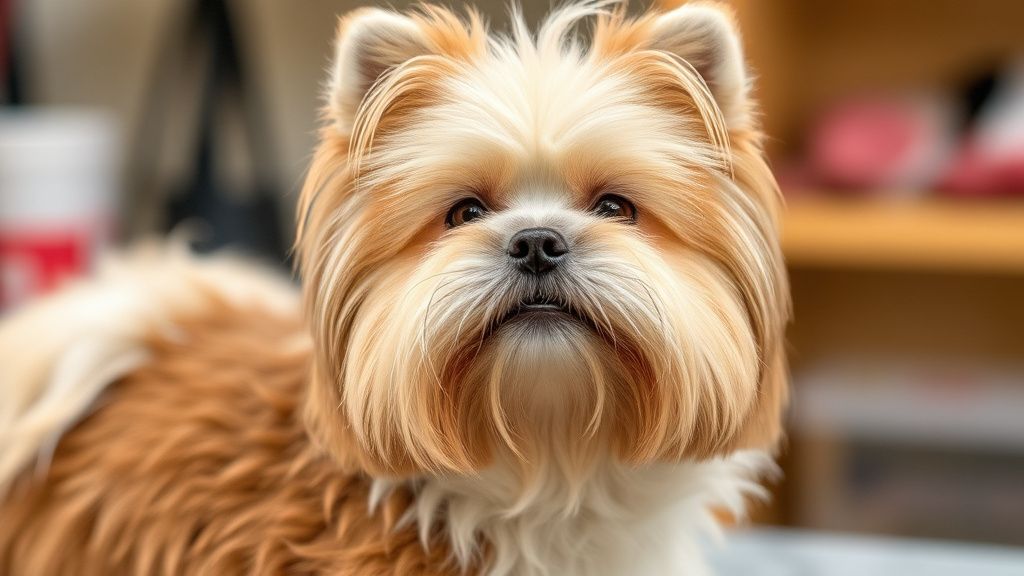
Here's some good news for potential owners: the grooming for the Kishu Ken is one of the most manageable parts of their overall maintenance. They possess a double coat, a soft, dense undercoat and a straight, harsh outer coat. They are not constant shedders; instead, they "blow" their undercoat typically once or twice a year, in the spring and fall. During these periods, daily brushing with an undercoat rake is essential to remove the loose fur and prevent matting. Outside of shedding season, a thorough brushing once a week is usually sufficient to keep their coat clean and healthy.
Their grooming needs are straightforward. Regular nail trimming, ear cleaning, and dental care are the pillars of their routine care, just like any other dog. Baths are only needed occasionally, as their coat tends to stay fairly clean. One practical tip I always give owners is to get them accustomed to grooming handling as puppies. While they are generally docile, their independent streak means they need to learn that standing still for brushing is a non-negotiable part of life. Establishing this routine early makes it a peaceful bonding time rather than a struggle.
Training and Exercise
Training a Kishu Ken is an exercise in respectful partnership. They are highly intelligent dogs who enjoy solving problems. If you approach training with a heavy hand or repetitive drills, you will likely be met with a stubborn, disinterested dog. Instead, get creative and make training into a puzzle they can figure out. Use their motivation, often food or a favorite toy, to engage them. Positive reinforcement is not just a suggestion for this breed; it's the only method that builds the willing cooperation you want.
Their independent nature, a trait honed for hunting alone, means recall can be a challenge, especially if their prey drive is triggered. A secure, fenced yard is absolutely non-negotiable, and leash walks are a must in unsecured areas. Speaking of exercise, their needs are substantial. Aim for one or two hours of strong exercise every day. This should include brisk walks, hiking, structured play sessions, or agility work. But physical exertion is only half the equation. Engaging their active minds is equally important. Scent games, advanced obedience tasks, or even learning tricks can provide the mental stimulation they crave to be truly content. A bored Kishu Ken is a dog that will invent its own, often destructive, puzzles to solve.
Health Considerations
The Kishu Ken is generally considered a fairly healthy dog breed. Their natural development and lack of extreme refinement mean they do not suffer from as many genetic health conditions common to more popular breeds. However, it is crucial to state that there is still very limited data on the breed in or out of its country of origin. This rarity means potential owners must be extra diligent.
Reputable breeders will conduct health screenings appropriate for the breed. While no major breed specific issues are widely reported, they can be prone to conditions that affect many medium sized breeds, such as hip dysplasia or patellar luxation. Asking a breeder for health clearances from the Orthopedic Foundation for Animals (OFA) or equivalent organizations is a critical step. Working with the National Kishu Ken Club is the best way to connect with responsible breeders who prioritize the long term health of these dogs. Remember, while breed can give us clues, every dog is an individual with their own personality, and their own health journey. Proper diet, regular veterinary care, and maintaining a healthy weight are your best tools for a long, healthy life together.
Is the Kishu Ken Right for You?
This isn't a breed for everyone, and that's okay. Their rarity alone means they are a special commitment. The ideal Kishu Ken owner is someone who appreciates a reserved, intelligent companion and has an active, predictable lifestyle. They thrive in a quiet, stable home environment, not one with constant chaos or streams of new visitors.
Due to their strong predatory instincts, they are not generally recommended for homes with cats, rabbits, or other small pets. Their behavior with other dogs can be unpredictable and often requires careful, ongoing management. They can be good with children in their own family if raised with them and treated respectfully, but their independence means they may not tolerate clumsy handling from very young kids. This is a dog that bonds deeply with its family and can be aloof or wary with strangers, making early and continuous socialization absolutely critical. No matter the breed, it's important to socialize your dog and expose them to lots of different situations, people, and safe dogs in a positive way from puppyhood.
You must be prepared for a dog that thinks for itself. They are not golden retrievers, eager to please without question. They are partners who need a reason to comply. If you want an obedient shadow, look elsewhere. If you want a thoughtful, loyal, and fascinating companion for outdoor adventures and quiet evenings at home, and you are ready for the responsibility of managing their instincts, the Kishu Ken could be your perfect match.
Final Thoughts
Living with a Kishu Ken is a unique experience. It's less about owning a pet and more about being accepted into a silent, ancient pact. They offer a profound, quiet loyalty that is earned through respect and consistent leadership. They are guardians of a legacy, a living piece of Japanese history that asks for little more than a job to do, a mind to engage, and a family to protect.
If you are considering welcoming this rare breed into your life, please do your homework. Connect with the National Kishu Ken Club, talk to multiple breeders, and meet the dogs in person if possible. The journey to finding a Kishu Ken puppy from a responsible source may take time and patience, but it is the first and most important step in a remarkable partnership. For more insights on living happily with your canine companion, explore our resources at Best Dog Box. The Kishu Ken isn't just a dog; for the right person, they are a once in a lifetime companion.
Recommended Products



Find the Perfect Box for Your Dog
Compare top-rated dog subscription boxes and find the best fit for your pup.
Compare Boxes