My Dog Is The Class Troublemaker
My dog isn't the teacher's pet in puppy class; he's the hilarious back-of-the-bus instigator.
It's common and often a sign of a smart, energetic puppy who is overstimulated by the exciting new environment. Many owners report their puppy being the chaotic one in class, and experts like Dr. Ian Dunbar emphasize that the goal is positive socialization, not perfect obedience from day one. A bit of trouble can mean your pup is engaged and learning, just in his own exuberant way.
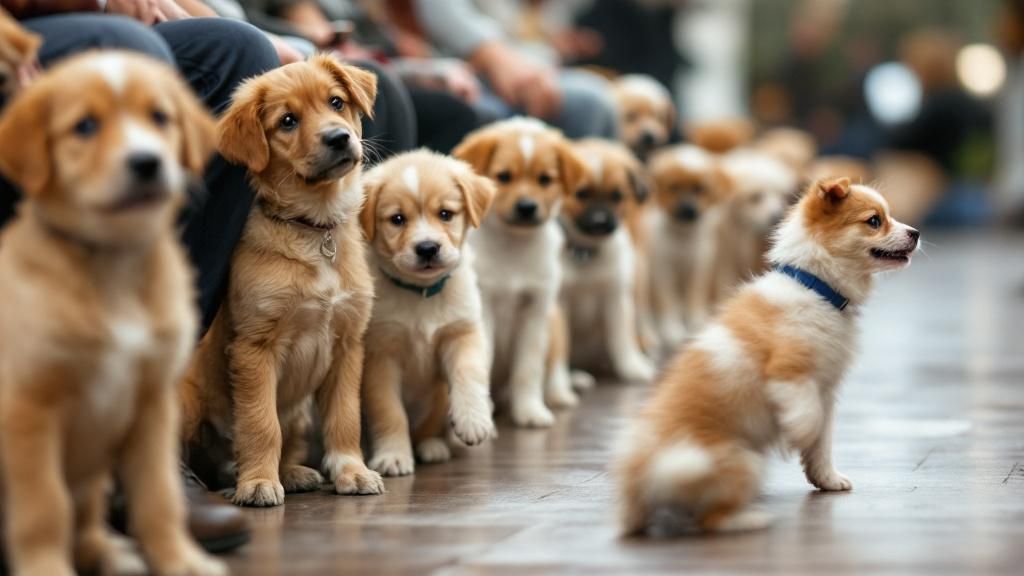
You know the feeling. You’re in puppy class, surrounded by what appear to be canine prodigies sitting calmly at their owners’ feet. And then there’s your dog. He’s the one whining, pulling, barking a happy greeting to every other pup, and turning a simple “sit” command into an interpretive dance routine. He’s not the valedictorian. He’s that guy at the back of the school bus, passing notes, starting chants, and making the whole ride more interesting for everyone. And you know what? I’m proud of him. If you’re nodding along, you’re not alone. In fact, you’re in the majority. A survey of dog owners showed it’s almost an even split between those who train themselves and those who take a class, meaning millions of us are navigating this chaotic, hilarious, and sometimes frustrating rite of passage.
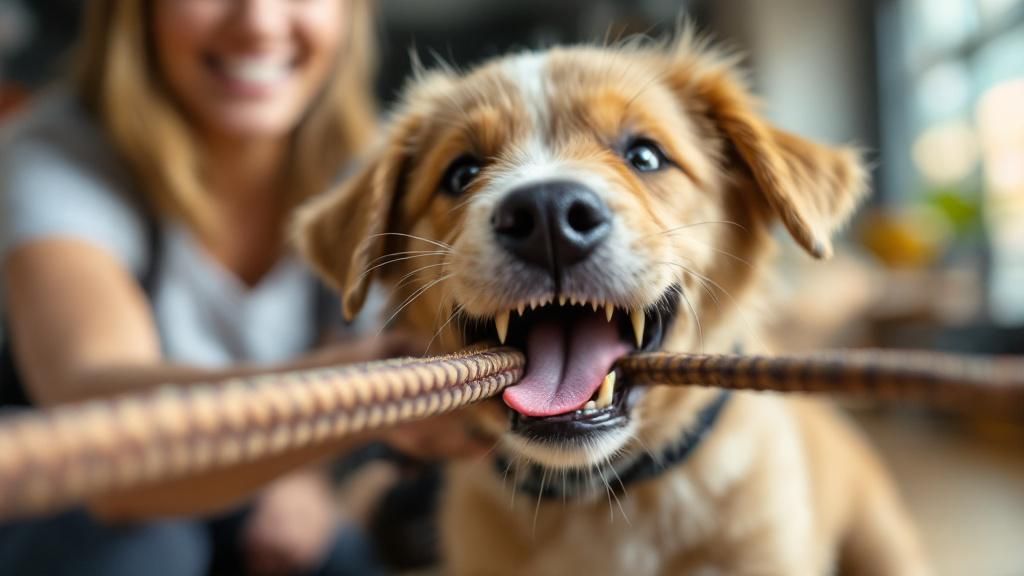
I’ve been there. I’ve watched a puppy turn a training session into a game of tug-of-war with the leash. I’ve seen the look on an owner’s face when their dog decides the agility tunnel is for hiding, not for running through. This isn’t failure. It’s puppyhood. It’s a sign of a brain that’s working overtime, processing a hundred new smells, sounds, and potential friends. That energy, that unbridled joy, is exactly what we signed up for. The goal of a good puppy class isn’t to crush that spirit, but to gently channel it. As one veterinary behaviorist puts it, puppies should have positive interactions with 100 people before they are 16 weeks old. Class is a fantastic place to start checking off that list, even if your pup’s method of “interaction” is trying to lick their face while simultaneously stealing their treat pouch.
Why Is My Puppy the Class Clown?
Understanding the “why” behind the chaos is the first step to managing it, and more importantly, to appreciating it. Your puppy isn’t trying to embarrass you. He’s simply responding to his environment in the only way he knows how.
He’s Overstimulated and Wants to Play. For many puppies, especially single puppies without constant canine companionship at home, a class full of other dogs is the ultimate playground. One experienced dog trainer on a poodle forum noted that single puppies tend to be much more excitable in classes because they are so eager for playtime. Your pup isn’t ignoring you. He’s making a calculated choice that playing with that fluffy Samoyed across the room is more rewarding in that moment than the piece of kibble in your hand. Animal behavior works on this principle: behaviors that lead to enjoyable consequences get repeated. Right now, the fun of social chaos is out competing the fun of listening to you. The Environment is Overwhelming. Think about it from his perspective. He’s in a new building with strange smells, echoing noises, leashed dogs he can’t properly greet, and people giving him intense attention. It’s a lot. A post on a puppy training subreddit about a disastrous first class highlighted this perfectly. The owner realized their boisterous lab, “Tucker,” just needed some one on one time and a good walk before class to take the edge off. The group setting was simply too distracting as a starting point. This mirrors expert advice for socializing skittish dogs, which stresses that outings should be enriching but not overwhelming. For some pups, the standard class is the deep end of the pool. He Might Be a “Pound Puppy” with Baggage. If your dog is a rescue, his history is an unknown variable. A story about a fearful terrier tied outside a market illustrates how fear can manifest as barking and lunging, behaviors that can look aggressive but stem from anxiety. Your class clown’s antics might be bravado covering nervousness, or he might just have missed out on early socialization windows. As the experts at VCA Animal Hospitals advise, seeking professional guidance from a trainer or veterinary behaviorist early is key when you spot problematic behaviors. It helps you understand the root cause.How to Help Your “Problem Child” Shine (Without Dimming His Spark)
So your pup is the star of the show, just not in the way the instructor planned. Here’s how to turn those school bus antics into focused learning, step by step.
Manage His Energy Before He Walks In. Arriving at class with a puppy bursting at the seams is a recipe for distraction. The goal is to get him moderately tired, not completely zonked. A brisk 15 minute walk or a short, engaging play session at home can take the top layer of frenzy off. Try to arrive a few minutes early, as one forum member suggested, to let him settle in the car or sniff around the parking lot on a leash before entering the building. This helps him transition into “school mode.” Become a Treat Dispensing Superstar. In a high distraction environment, your treats need to be irresistible. This is not the time for his regular kibble. Bring the good stuff. Think small, soft, and smelly. I always recommend using a portion of his meal from a high quality dog food delivery service, mixed with special training treats from a premium dog best dog subscription boxes. Having a variety can keep him guessing and interested. If he’s not looking at you, the reward isn’t valuable enough. Remember the trainer’s fact: dogs repeat what is rewarding. Make *you* the most rewarding thing in that room. Embrace the “Insane” Chatter. That Reddit poster who said “I sound insane when I’m out with my dog but it works” is onto something. Use a happy, silly voice to keep his attention locked on you. Squeak a toy quietly in your pocket. Be unpredictably fun. If the class is working on “sit” and your dog is staring at a spaniel, don’t just repeat “sit” louder. Take two steps back to create distance from the distraction, get his eyes with a kissy noise, and *then* ask. Set him up for success by managing the distance between him and his temptations. Celebrate the Tiny Wins. Did he look at you for one second while another dog barked? Jackpot him with a handful of treats. Did he manage a “down” even if it was sloppy? Throw a party. Your pride shouldn’t be reserved for perfect heeling. It should be for every moment he chooses you over the circus. This positive reinforcement builds his confidence and teaches him that focusing on you is the best game in town.What If It’s the Class, Not the Dog?
Sometimes, the issue isn’t your puppy’s behavior, but the class structure itself. Not every puppy class is created equal, and a bad fit can make a spirited pup look like a menace.
The On Leash vs. Off Leash Debate. An article on the Dunbar Academy blog pointed out a common dichotomy in puppy classes. Some are strictly on leash with limited play, while others incorporate lots of off leash play and training. For a high energy, social puppy, a class that never lets him interact might be pure torture. All that pent up energy has to go somewhere, and it will likely go into leash pulling and barking. Conversely, a class that’s all chaotic play with little structure might teach him that other dogs mean a free for all. The ideal class finds a balance. It should have structured, controlled play sessions and dedicated, distraction proof training intervals. As the blog notes, proper early training is what leads to an adult dog with good bite inhibition and social savvy. Watch the Instructor’s Methods. Steer clear of any class that uses fear, intimidation, or harsh corrections for a puppy. Your boisterous buddy isn’t being “dominant.” He’s being a puppy. A good instructor will help you manage the behavior with positive techniques, not punish the puppy for being excited. They should offer individual advice, like suggesting a head collar for better management as mentioned by VCA, not just yell “control your dog” to the whole group. Consider a Different Format. If the group class is consistently too much, there’s no shame in pulling out and trying something else. Private lessons can give you the tools to build focus in a controlled setting before re entering a group. Some trainers offer “puppy socials” that are purely about supervised play, which might satisfy your dog’s social cravings in a dedicated time and place, separating it from his obedience training sessions.Finding Pride in the Chaos
This is the most important part. Changing your perspective can change the entire experience for both of you.
You Are Not Alone. Scroll through any puppy owner forum and you’ll find a chorus of solidarity. One Reddit thread literally asked, “Who had the worst behaved puppy in puppy class?” The answers were a beautiful testament to controlled chaos. Owners shared stories of their dogs being the disruptive ones, and the overwhelming sentiment was one of eventual pride. Seeing their dog’s small improvements, and realizing every dog has different challenges and strengths, was a huge relief. Your puppy is not a statistic. He is an individual. And sometimes, individuals are a handful. His Personality is a Gift. That dog who is “out of control around the school bus,” as one owner described, has a passionate, alert nature. With guidance, that same energy can make him an incredible hiking partner or a wonderfully enthusiastic greeter (of invited guests). The puppy who can’t pay attention in class might have a brilliant, busy mind that excels at puzzle toys from your monthly dog subscription box. Our job isn’t to break them, but to build them. To take that raw, excited material and help shape it into a well mannered, happy dog. Celebrate the Journey, Not Just the Destination. The pride comes from the effort, the connection, and the shared humor. It’s in the inside joke you develop with your trainer. It’s in the moment, weeks later, when he finally “gets it” and you feel like you’ve won the lottery. The bond you forge by working through this challenge together will be stronger than any bond built with a naturally placid, “perfect” puppy. You are a team, figuring it out.Final Thoughts
If your dog is the one making puppy class more interesting, take a deep breath. You are in good company. This journey is about progress, not perfection. Use high value rewards, manage his energy, and advocate for him by finding the right training environment. Most of all, allow yourself to feel that pride. You chose a living, breathing, chaotic ball of potential, and you are showing up for him. You are doing the work. That trouble maker at the back of the bus often grows up to be the most interesting, loyal, and fun companion. He keeps life from being boring. So next time he lets out a happy bark during the quiet demonstration or tries to initiate play during a focused heel, smile. He’s not a bad dog. He’s your dog. And he’s learning, in his own wonderful, memorable way.
Recommended Products



Find the Perfect Box for Your Dog
Compare top-rated dog subscription boxes and find the best fit for your pup.
Compare Boxes