Human-Grade Dog Food Worth The Cost

Is human-grade dog food a healthy upgrade or a pricey gimmick? We compare the costs and benefits for your pup.
Human grade dog food can be worth the cost for its high ingredient quality, digestibility, and potential health benefits, especially for dogs with sensitivities. However, it is more expensive, and a top quality feed grade diet can also provide excellent nutrition. The value depends on your budget and your dog's specific needs.
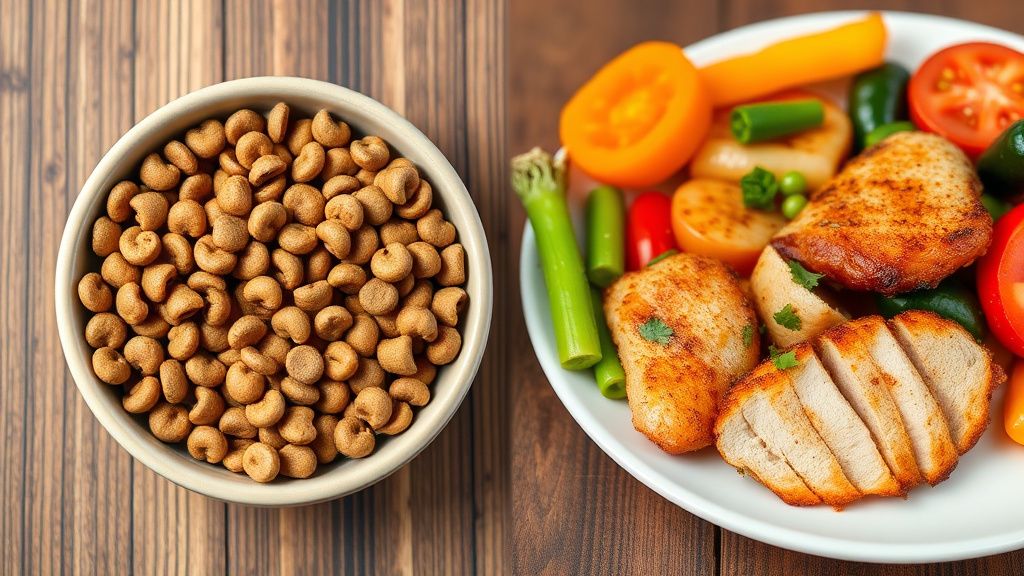
You look at your dog's kibble, those dry brown nuggets, and then you look at your own dinner. There is a disconnect, isn't there? We want the very best for our furry family members, and the growing trend of human grade dog food speaks directly to that desire. It promises ingredients you could eat yourself, prepared in facilities held to the same standards as human food kitchens. But with a significantly higher price tag, every dog owner has to ask: is this premium really worth it? I have spent years researching and testing different diets, and the answer is not a simple yes or no. It is a personal calculation balancing your dog's health, your wallet, and your peace of mind. Let us break down what human grade really means, who benefits most, and how to decide if it is the right choice for your pack.
What Does 'Human Grade' Actually Mean?
The term gets thrown around a lot, but its legal definition is precise. For a pet food to be labeled as human grade, every single ingredient and the final product must be edible, stored, handled, processed, and transported according to the same federal regulations that govern human food. This is governed by the USDA and FDA. It is an all or nothing standard. If one ingredient in an otherwise pristine recipe is not fit for human consumption, the entire product cannot legally be called human grade.
This is different from "feed grade" or traditional pet food. Feed grade ingredients are not held to human consumption standards. They can include parts of animals not typically eaten by people and may be processed differently. Crucially, a feed grade product can still be very nutritious. As veterinarians point out in research, some high quality feed grade dog food could in fact be more nutritious for your pup than low quality human grade food. The label tells you about ingredient sourcing and safety protocols, but not automatically about the nutritional balance or suitability for your individual dog.
The Pros and Cons of Human Grade Dog Food
Weighing the benefits against the drawbacks is essential for making an informed decision.
The Advantages
* Ingredient Quality and Transparency: You know exactly what is going into your dog's bowl. Ingredients are recognizable, real chicken, sweet potatoes, green beans, and held to a higher safety standard from farm to bowl. This transparency is a huge relief for many owners.
* Enhanced Digestibility and Nutrient Absorption: Many dogs on human grade diets, especially fresh or gently cooked options, experience better digestion. Research notes that choosing a human grade dog food that is easily digestible can help prevent stomach upset and promote better nutrient absorption. This can mean smaller, firmer stools and a shinier coat.
* Palatability: Most dogs find these foods incredibly tasty. If you have a picky eater, switching to a human grade diet can sometimes solve the problem overnight.
* Potential for Long Term Health Benefits: Feeding a diet of high quality, whole foods may contribute to better overall health, a stronger immune system, improved skin and coat condition, and more stable energy levels. Some experts suggest this investment could help reduce future vet bills, though this is a long term and individual outcome.
The Disadvantages
* Cost: This is the most significant barrier. Human grade food costs more to make than traditional diets. The use of high quality ingredients and human grade manufacturing facilities drives up production costs, resulting in a higher retail price. Custom diets, rare proteins, and feeding large dogs can be especially pricey.
* Shorter Shelf Life: Without the preservatives common in kibble, most human grade food (especially fresh or frozen varieties) has a much shorter shelf life. It requires refrigeration or freezer space and must be used quickly after opening.
* Convenience: It often lacks the grab and go ease of kibble. You may need to thaw portions, measure them, and store them carefully. While many brands offer a dog food delivery service to simplify the process, it still involves more handling than pouring from a bag.
* Nutritional Completeness is Not Guaranteed: "Human grade" is a processing standard, not a nutritional guarantee. It is still vital to choose a product that is formulated to be complete and balanced for your dog's life stage, meeting AAFCO guidelines. A home cooked meal of human grade steak and broccoli is not a complete diet.
Is Human Grade Food Right for Your Dog?
While any dog can eat human grade food, certain pups might see more pronounced benefits from the switch.
* Dogs with Food Sensitivities or Allergies: The limited, simple ingredient lists common in these diets can help identify and avoid triggers. Improved digestibility can also soothe sensitive stomachs.
* Picky Eaters: The superior taste and texture often win over even the most stubborn dogs.
* Senior Dogs or Those with Dental Issues: Soft, fresh human grade food can be easier for older dogs or those with missing teeth to manage than hard kibble.
* Dogs with Chronic Health Conditions: Under veterinary guidance, a tailored human grade diet can be part of a management plan for conditions like kidney disease, obesity, or diabetes. Always consult your vet before making dietary changes for a health condition.
* Owners Seeking Maximum Ingredient Control: If you are passionate about knowing the origin and quality of every component in your dog's meal, this category offers the highest level of oversight.
How to Make Human Grade Food More Affordable
The cost is real, but there are strategies to manage it if you are committed to this feeding path.
* Mix It Up: Use human grade food as a "food topper" on a high quality kibble. This boosts nutrition and palatability while stretching your budget. You can find excellent best dog treats or fresh toppers that serve this purpose.
* Choose Standard Proteins: Recipes featuring chicken, beef, or turkey are usually less expensive than those with lamb, duck, or bison.
* Consider a Subscription: Many human grade brands offer subscription plans that provide a discount over one time purchases. This can function like a specialized dog subscription box for meals, ensuring you never run out and saving money.
* DIY with Caution: Some owners, like one cited in research who has made food for 30 years, prepare meals at home. This requires meticulous research to ensure nutritional balance. It is not as simple as cooking extra chicken from your dinner. You must add the correct ratios of organ meats, bones (or a calcium supplement), and vegetables, and likely a canine specific vitamin and mineral supplement. Consult with a veterinary nutritionist before going this route.
* Focus on Life Stage Needs: A small breed puppy will eat less than a large breed adult. The cost is more manageable for smaller dogs.
Top Human Grade Brands to Consider
Based on expert reviews from veterinarians and trusted sources like Dog Food Advisor, several brands consistently rise to the top. These companies typically offer fresh dog food delivered to your door.
* The Farmer's Dog: Known for personalized recipes based on your dog's profile, gently cooked and shipped frozen.
* JustFoodForDogs: A pioneer in the category, they use whole food ingredients and have a strong transparency policy, with recipes developed with veterinary nutritionists.
* Nom Nom: Offers fresh, pre portioned meals with a focus on gut health and digestibility.
* Ollie: Another fresh food service that tailors portions to your dog's needs and includes supplements in their blends.
Remember, the "best" brand is the one that fits your dog's nutritional requirements, your lifestyle, and your budget. Always look for an AAFCO statement on the label confirming the food is complete and balanced.
Final Thoughts
Deciding to feed human grade dog food is a personal choice, not a moral imperative. It is about aligning your care philosophy with practical reality. For some, the peace of mind that comes from feeding ingredients they recognize is priceless, especially if their dog thrives on it. For others, a premium feed grade diet provides fantastic nutrition at a more accessible cost.
Talk to your veterinarian. They know your dog's health history and can offer tailored advice. If you decide to try human grade food, make the transition slowly over 7 10 days to avoid digestive upset. Watch your dog closely for positive changes in energy, coat, stool quality, and overall zest for life. That is the true measure of whether any diet, regardless of its label, is "worth it." Your dog's vibrant health and happiness are the ultimate return on investment, whether you achieve that through a human grade fresh food, a top shelf kibble, or a balanced hybrid approach. The most important thing is that you are engaged, asking questions, and striving to give your best friend the best life possible. For more on supporting your dog's wellbeing through nutrition and care, explore our dog anxiety guide for holistic health tips.
Find the Perfect Box for Your Dog
Compare top-rated dog subscription boxes and find the best fit for your pup.
Compare Boxes