Master Off Leash Dog Walking Success
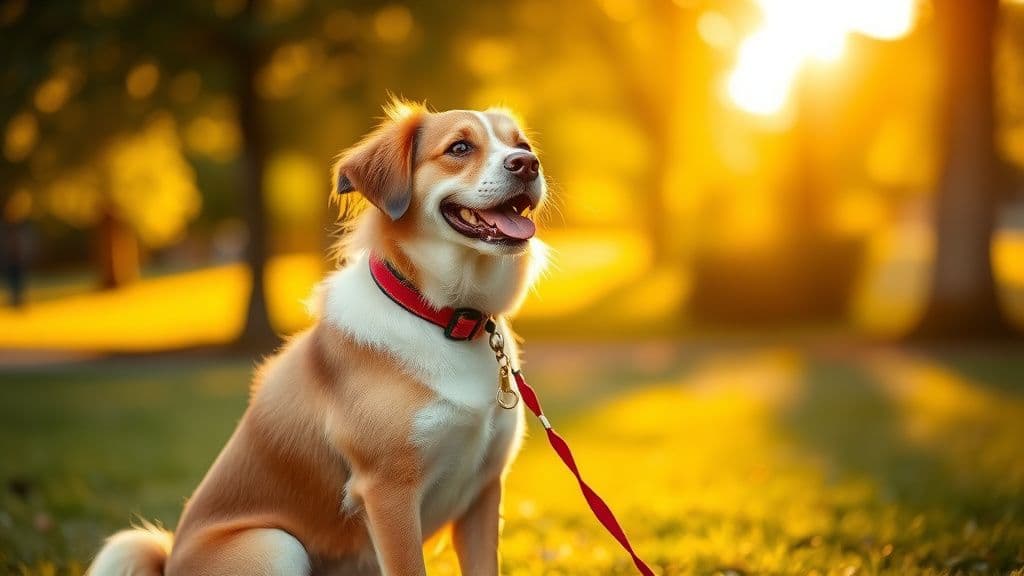
Master off-leash freedom with your dog by building a foundation of unwavering focus and rock-solid recall through consistent, positive training.
Training a dog to walk off leash reliably requires building a solid foundation of obedience, starting with loose leash walking and a flawless recall. You must use positive reinforcement with high value rewards and practice extensively using a long line in increasingly distracting environments before ever considering a true off leash walk. Not every dog is suitable for off leash freedom, and it should only be practiced in safe, legal areas.
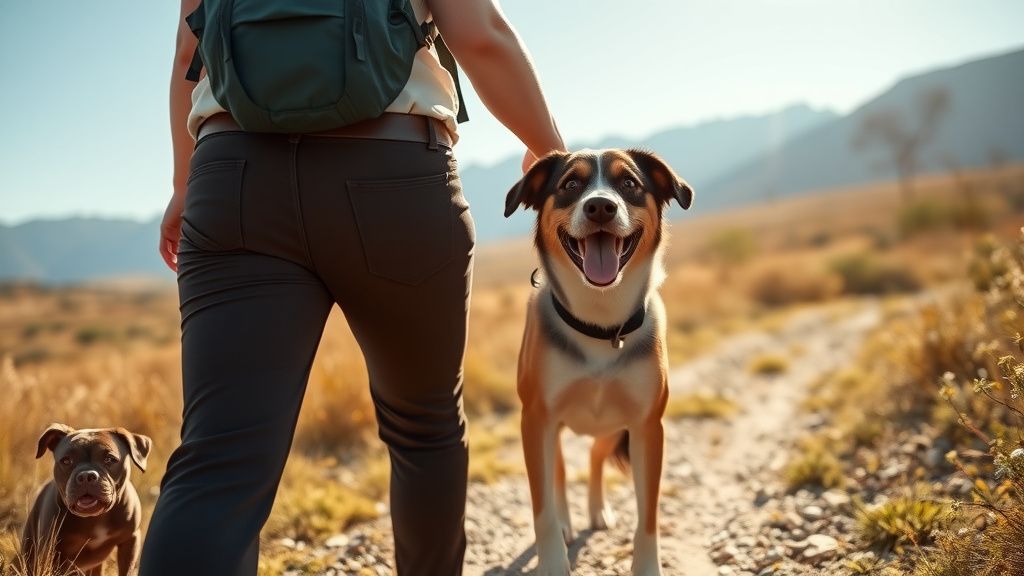
The dream of hiking a trail or strolling through a field with your dog trotting happily beside you, free from a tether, is a powerful one. It represents a deep bond and a level of communication that many dog owners strive for. However, transitioning from leashed walks to reliable off leash freedom is a significant journey that requires patience, consistency, and a clear understanding of the risks and responsibilities involved. It's not simply about unclipping the leash and hoping for the best. It's about building such a strong partnership that your dog chooses to stay with you, regardless of the fascinating distractions the world offers. This guide will walk you through the essential steps, grounded in expert advice from veterinarians and professional trainers, to help you determine if your dog is ready and how to build that critical reliability.
Is Your Dog a Candidate for Off Leash Freedom?
Before you begin training, you need to take an honest look at your dog's temperament, history, and current skill level. The American Kennel Club emphasizes evaluating your pet's temperament and training to determine when and how it is appropriate to let them off leash. Some dogs, due to breed instincts or personality, may never be fully trustworthy off leash in unsecured areas.
Consider these factors:
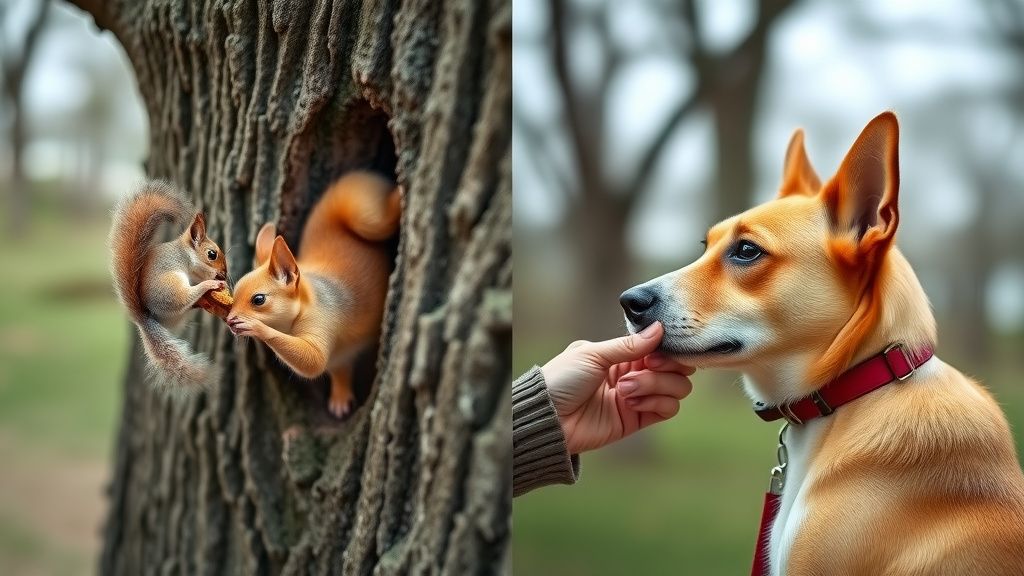
* Prey Drive: Does your dog chase squirrels, birds, or cars? A high prey drive can override even the best training when instinct kicks in.
* Recall Reliability: Does your dog come when called every single time in your backyard? What about at the park when other dogs are playing?
* Socialization: Is your dog friendly and non-reactive toward other dogs, people, and unexpected noises? An off leash dog must not be a nuisance or a danger to others.
* General Obedience: Does your dog reliably understand and obey basic commands like "sit," "stay," and "leave it"?
Even if your dog excels in a familiar environment, new places present new challenges. As one hiker noted in a guide, a dog that is 99 percent reliable in one state might become a higher risk in another due to the presence of new wildlife. The goal is to build a dog that checks in with you voluntarily, a concept often called "radius training," where the dog understands they need to stay within a certain distance.
The Foundational Skills You Cannot Skip
You cannot run before you can walk, and you certainly shouldn't go off leash before mastering on leash skills. These foundational behaviors are the non negotiable building blocks of off leash reliability.
Master Loose Leash Walking First
This is the essential precursor. If your dog pulls on the leash, they are practicing the habit of moving away from you and following their own impulses. Off leash training requires the opposite mindset. Your dog needs to learn that being near you is rewarding. Practice having your dog walk politely on a standard 6-foot leash, rewarding them for maintaining slack in the line and offering you attention. This establishes you as the focal point of the walk, not the environment.
Build an Ironclad Recall
Veterinarians at VCA Animal Hospitals list a solid recall as a key skill for off leash safety. This isn't just a casual "come here sometimes" command. This is a fast, immediate response no matter what. The Whole Dog Journal calls a reliable recall "worth its weight in gold."
To build this:
1. Start with Zero Distractions: Practice in your home, using a happy, enthusiastic voice and an incredibly high value reward. Something like real chicken, cheese, or a special treat they only get for recall.
2. Use a Reward Marker: A clicker or a distinct word like "Yes!" the moment your dog begins moving toward you helps them understand exactly what behavior earned the reward. This positive reinforcement is an essential tool.
3. Never Punish a Recall: If your dog comes to you, even if it took five minutes, they must be praised and rewarded. Punishing a slow recall teaches your dog that coming to you ends the fun.
4. Release Back to Fun: After treating your dog, release them back to play. This builds trust and engagement, showing them that obeying you doesn't always mean the fun is over.
Strengthen the "Check-In" Behavior
This is the glue of off leash walking. You want your dog to voluntarily look at you or return to your side without being called. You can foster this by rewarding every single time your dog glances at you during a walk. Carry a portion of their daily kibble or some high value treats from a monthly box and be a generous rewarder. This teaches your dog that checking in with you is the most rewarding habit they have.
The Step-by-Step Training Progression
Rushing this process is the most common mistake. The path to off leash freedom is a gradual expansion of privileges, not an on/off switch.
Step 1: The Long Line is Your Best FriendBefore you even think of unclipping the leash, introduce a long training line (15, 30, or even 50 feet). This gives your dog the physical feeling of freedom while you maintain ultimate safety. As Tractive's guide explains, use this long line to practice basic commands like heel and recall at a distance. Practice in a safe, open area like a vacant sports field.
Step 2: Practice Under Simulated FreedomAttach the long line and let your dog explore. Do not hold the line. Let it drag on the ground, or step on it if you need to prevent your dog from running off. The key, as noted in a Reddit discussion on dog training, is to not practice true off leash until your dog reliably never hits the end of the long line. They should be willingly controlling themselves and staying within your radius. If they bolt to the end, the distance or distraction level is too high. Move to a less challenging environment.
Step 3: Increase Distractions GraduallyOnce your dog is perfect in an empty field, change the location. Practice in a different park, on a quiet trail, or in a friend's yard. Each new environment resets the difficulty level. Preventive Vet advises getting practice in any and everywhere, consistently rewarding your dog for coming away from different distractions. This is where that stash of irresistible treats from a dog subscription box becomes invaluable, as novelty keeps your dog highly motivated.
Step 4: The First True Off Leash MomentChoose the most familiar, secure, and minimally distracting environment possible, like a fully fenced tennis court or a familiar, empty field very early in the morning. Have your long line ready to clip on if needed. Let your dog off for a very short period, perhaps just 30 seconds, and practice a recall or two before clipping the leash back on. End on a huge success. This controlled "test" builds your confidence and your dog's understanding.
Step 5: Proofing for Real-World ReliabilityTrue reliability means your dog listens in any situation. This requires endless, varied practice. Incorporate training into your daily leashed walks. Randomly call your dog to you, reward a check-in, and ask for a "sit" in novel places. The more you practice in controlled settings, the more ingrained the behavior becomes. Remember the advice from Quora about combining methods from multiple sources; be flexible and find what motivates your specific dog most, whether it's food, a favorite toy, or enthusiastic praise.
Essential Safety Rules and Etiquette
Off leash freedom is a privilege that comes with serious responsibility, for your dog's safety and the comfort of everyone around you.
* Know the Law: It is illegal to have dogs off leash in most urban and suburban public spaces. Always verify local ordinances.
* Choose Environments Wisely: Only practice in designated off leash areas or on private land with permission. Avoid areas near roads, cliffs, or with known wildlife hazards.
* Maintain Visual Contact: You should always be able to see your dog. If you can't, they are too far away.
* Respect Others: Your off leash dog must not run up to leashed dogs, children, or people who appear uncomfortable. A reliable recall is crucial for this. If your dog has any history of anxiety or reactivity, our dog anxiety guide can help you understand their triggers before attempting off leash work.
* Be Prepared to Leash Up: The leash is not a failure. It is a safety tool. If you see a potential hazard, call your dog to you and clip the leash on *before* a problem arises. One hiker's tip is to start practice with the dog dragging a leash so you can step on it quickly if their focus wavers.
Troubleshooting Common Challenges
What do you do when things don't go perfectly?
* My Dog Ignores Me When Off Leash: This means the distraction level is too high. Immediately go back to using the long line in a less stimulating environment. Increase the value of your rewards dramatically. Think real meat or cheese, not standard kibble.
* My Dog Stays Close But Then Bolts After an Animal: This is a major safety concern. For dogs with strong prey drive, off leash freedom in unfenced areas may never be safe. Focus on building an incredible "leave it" command on a long line and consider using a leash in areas with wildlife.
* Recall is Good But Not Immediate: Speed comes from high motivation. Make the reward for coming the absolute best thing in your dog's world. Also, remember the tip from Whole Dog Journal: mark the behavior as your dog arrives. Say "get it" as they get to you so they don't learn to run past you. Deliver the reward right at your feet.
Final Thoughts
Training a dog for reliable off leash walking is one of the most rewarding endeavors in dog ownership. It's a testament to the trust and communication you've built together. However, it's a marathon, not a sprint. It demands consistent, positive practice in countless environments. For many dogs, the long line will remain an essential safety tool for most outdoor adventures, and that is perfectly okay. The ultimate goal isn't just an off leash dog; it's a connected, responsive, and safe companion. Whether you're working on focus with high value treats, building engagement through play, or simply enjoying a leashed walk, every moment of training strengthens your bond. Celebrate the small successes, be patient with the setbacks, and always prioritize your dog's safety and the well being of your community. The journey itself, with all its practice and reinforcement, is where the real partnership is forged.
Recommended Products



Find the Perfect Box for Your Dog
Compare top-rated dog subscription boxes and find the best fit for your pup.
Compare Boxes