Stop Your Dog Pulling On Leash
Stop leash pulling with these three proven training methods that ensure calm, enjoyable walks for you and your dog.
To stop a dog from pulling on the leash, use positive reinforcement to reward your dog for walking with a loose leash. When they pull, stop walking completely or change direction so that pulling never gets them where they want to go. For dogs that pull very hard, consider using a front clip harness for more control without causing harm.
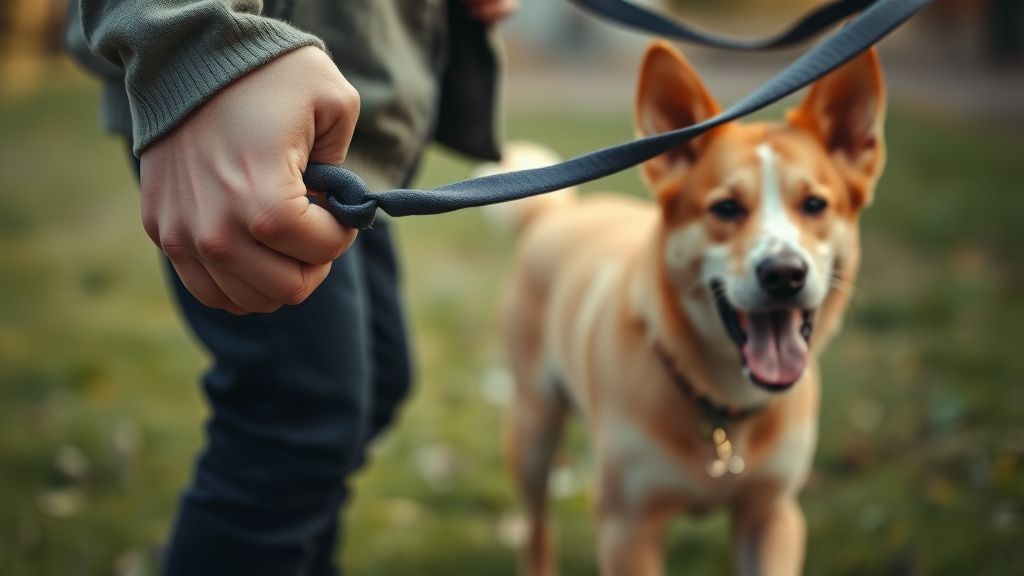
Does your arm feel like it's been stretched a few inches longer after every walk? You're not alone. Leash pulling is one of the most common and frustrating issues dog owners face. I've been there, feeling more like a water skier being pulled by a speedboat than someone enjoying a peaceful stroll with their best friend. The good news is that pulling is a solvable problem. It's a learned behavior, and with the right approach, it can be unlearned. The key is to remember that from your dog's perspective, pulling works. It gets them to that fascinating smell, that playful squirrel, or the friendly dog across the street faster. Our job is to consistently teach them that pulling no longer achieves that goal, while walking politely by our side does. This journey takes patience, but the reward a calm, connected walk is absolutely worth the effort.
Why Do Dogs Pull on the Leash?
Before we jump into the *how*, let's understand the *why*. Dogs pull because it's a natural, self rewarding behavior in an environment filled with distractions. In their mind, they are on a mission to explore the world, and the leash is the only thing holding them back. Lunging forward is the most direct path to what they want. Furthermore, many dogs have been accidentally trained to pull. Think about it. If your dog pulls and you follow, you've just rewarded the behavior by allowing them to reach their target. They learn that tension on the leash equals forward progress.
It's also crucial to rule out any physical discomfort. As noted by veterinarians, a leash attached to a neck collar on a strong puller can lead to injury. Watch for signs like coughing or choking. If your dog yanks very hard, switching to a harness is a safer first step to prevent physical harm while you train. Experts strongly advise against using tools that cause pain or fear, such as choke chains, prong collars, or electronic collars. These methods can worsen pulling, increase anxiety, and damage your relationship with your dog. They don't teach your dog what to do; they only punish what they're doing, often creating more behavioral issues.
Method 1: The Stop-and-Go (or "Be a Tree")
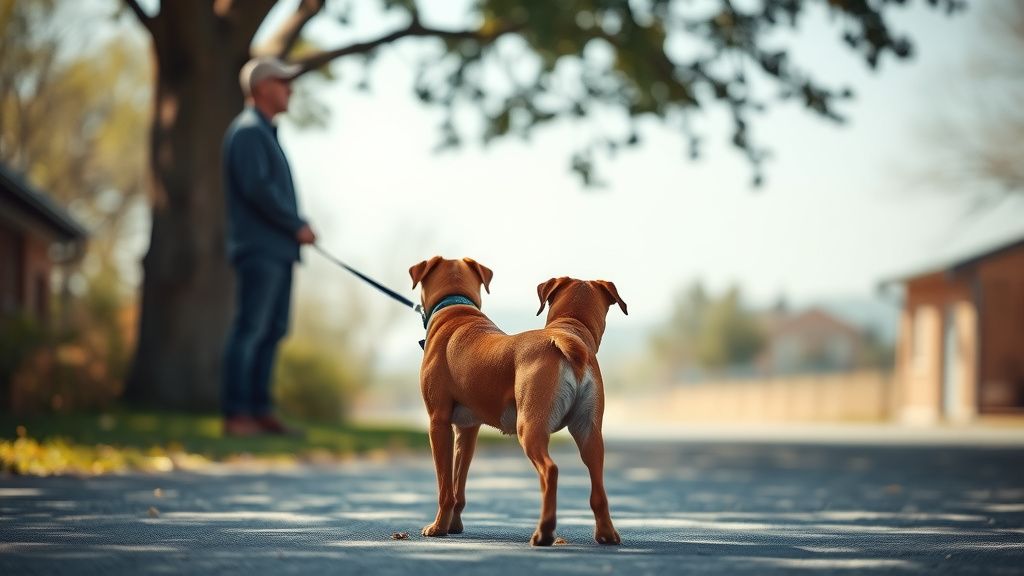
This is a classic, highly effective method that teaches your dog one simple rule: pulling makes forward movement stop. It requires immense patience, especially in the beginning, but it communicates your expectations clearly without any force.
How it works: The moment your dog pulls and creates tension on the leash, you stop walking. Become a statue. Don't move forward, don't talk, just wait. The second your dog relaxes, turns back to you, or creates any slack in the leash, you immediately praise and start walking again. The cycle repeats every single time the leash gets tight. Actionable Steps:1. Start in a low distraction environment, like your living room or backyard.
2. Have your dog on leash and stand still. Wait for them to give you attention or for the leash to go slack. Mark that moment with a "yes!" or a click and give a treat.
3. Take one step. If your dog surges ahead and tightens the leash, stop immediately. Wait again for slack. It might take a few seconds or a full minute.
4. Gradually increase the number of steps you take before stopping. The goal is for your dog to learn that constant slack is what makes the walk continue.
As one trainer wisely notes, there may be days where you only cover a few houses in half an hour. That's okay. You are investing in future calm walks. Consistency is everything. If you allow pulling sometimes but not others, your dog will get confused and the behavior will persist. For more structured help with building focus and calmness, our dog anxiety guide offers foundational training tips that apply here.
Method 2: The Change of Direction
This method is a more active version of the stop-and-go technique. Instead of just stopping, you remove the dog's ability to pull toward their desired target by literally turning around. It's excellent for dogs who are highly goal oriented.
How it works: You are walking, and your dog pulls ahead. Without jerking the leash, you calmly make a 180-degree turn and walk in the opposite direction. This puts your dog behind you, breaking the forward momentum they created. When they catch up and the leash is loose, you praise and reward. You can also make random turns, even before your dog pulls, to teach them to pay attention to your movement. Actionable Steps:1. Gather high value treats. These should be something your dog loves more than environmental distractions. Think small, smelly, and delicious.
2. Begin your walk. Before your dog hits the end of the leash, happily say their name and turn away, luring them with a treat to follow you.
3. If they do pull, execute your turn smoothly. The instant they reorient and follow, rewarding them with the treat and cheerful praise.
4. Keep it unpredictable. Turn left, turn right, stop, then walk again. This keeps your dog engaged with you, not the environment ahead.
This method leverages a dog's natural tendency to follow movement. It teaches them that staying close and checking in with you is more rewarding and more fun than forging ahead on their own. Having a ready supply of top quality training treats is essential for this. A monthly dog subscription box can be a great way to discover new, high motivation treats your dog goes crazy for, keeping their attention on you during these critical training sessions.
Method 3: Luring and Rewarding the Position
This is a purely positive, proactive method where you teach and reward your dog for being in the exact position you want: by your side with a loose leash. It's less about correcting pulling and more about building a strong habit of walking politely.
How it works: You use treats to lure your dog into the "heel" or loose leash walking position next to your leg. You then continuously reward them for maintaining that position. The treat becomes a magnet for their nose, keeping them in the right spot. Actionable Steps:1. Hold several treats in your hand next to your leg at your dog's nose level.
2. Start walking. With your dog's nose "attached" to your treat hand, deliver a tiny treat every two to three seconds as long as they stay in position.
3. Gradually increase the time between treats. Ask for two steps, then three, then five before delivering the reward.
4. Begin to phase out the constant luring. Hold the treats in your pocket or a pouch, and only bring them out to reward your dog when they choose to walk with a loose leash on their own.
This method requires a lot of repetition but builds an incredibly strong positive association with walking nicely. The treat delivery should be happy and frequent in the beginning. Don't be stingy with praise either. Let your dog know you appreciate the good choice they are making. For dogs with sensitive stomachs or allergies, using bits of their regular fresh dog food or freeze-dried dog food as training treats can be a perfect, healthy solution.
Essential Gear for Success
While training is the ultimate solution, the right equipment can make the process safer and easier, especially in the initial stages.
* Front Clip Harness: This is often the most recommended tool for pullers. The leash clips to a ring on the dog's chest. When the dog pulls, the harness gently turns their chest toward you, discouraging forward momentum without any choking or pressure on the neck. It offers control while you work on the training methods above.
* Standard Back-Clip Harness: Avoid these for pullers, as they actually encourage pulling by allowing the dog to lean into the harness like a sled dog.
* Standard Flat Collar: Fine for dogs who already walk well, but not ideal for training a chronic puller due to the risk of neck injury.
* Head Halters: These fit over the dog's muzzle and provide steering control by guiding the head. They require a careful, positive introduction so the dog doesn't find them aversive.
* What to Avoid: As multiple expert sources state, you should avoid choke chains, prong collars, and electronic collars. They can cause physical and psychological harm and do not effectively teach the desired behavior.
Remember, no piece of equipment is a substitute for training. A harness is a management tool that gives you the window of opportunity to teach your dog.
Setting Your Dog Up for Success
Your training sessions will go much smoother if you manage your dog's overall state of mind. A dog bursting with pent up energy is not a thinking dog.
Exercise Before the Walk: If possible, let your dog burn off some initial steam in the yard or with a vigorous game of fetch before you attempt a structured training walk. As one Reddit user pointed out, a dog ready for a walk should be sitting patiently, not barking or trying to push past you out the door. Start practicing calm behavior before you even step outside. Train When They're Hungry: Use part of your dog's daily meal allowance for training treats. A slightly hungry dog is a more motivated dog. This also prevents overfeeding. If you use a dog food delivery service, you can easily portion out bits of their regular food for training. Keep Sessions Short and Sweet: Five to ten minutes of focused, successful training is far better than a 30 minute struggle that frustrates you both. End on a positive note with a big reward. Be Patient and Consistent: Every dog learns at their own pace. What works for one may not work for another, and that's normal. The common thread in all proven methods is consistency. Decide on your approach and stick with it.Final Thoughts
Stopping leash pulling isn't about winning a battle of strength. It's about clear communication and changing the consequences for your dog's actions. By making a loose leash rewarding and making pulling utterly ineffective, you are guiding your dog toward a new, better habit. Some days will feel like a breakthrough, and others will feel like a step back. That's part of the process. Celebrate the small victories, like the first time your dog glances up at you during a walk or chooses to slow down before the leash goes tight.
The ultimate goal is a walk that you both enjoy, a time for bonding and exploration without constant tension on the leash or in your relationship. With the methods outlined here patience, consistency, and a pocket full of good treats you are well on your way to transforming your walks from a chore into a cherished part of your day together. For more tips on building a happy, well behaved companion, explore our other training articles like how to socialize a shy puppy.
Recommended Products



Find the Perfect Box for Your Dog
Compare top-rated dog subscription boxes and find the best fit for your pup.
Compare Boxes