End Your Dog's Digging Habit

Transform your yard with simple fixes that satisfy your dog's digging instincts and protect your garden.
To stop a dog from digging, first identify the reason behind the behavior, such as boredom, seeking comfort, or prey drive, then address it directly. Effective solutions include providing more exercise and mental stimulation, creating a designated digging area like a sandbox, and using physical barriers like buried chicken wire or fencing. Consistency with positive reinforcement and ensuring your dog's outdoor needs are met are key to long term success.
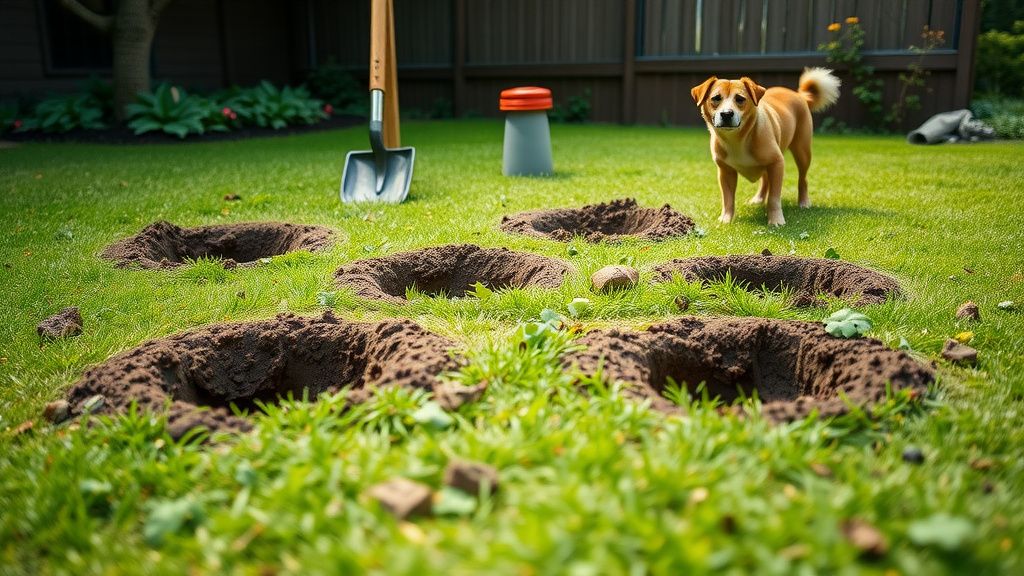
Your beautiful backyard is starting to look like a scene from a treasure hunt gone wrong. Every time you glance out the window, there's a new crater by the fence or a fresh pile of dirt next to your prized roses. If you're feeling frustrated and at a loss for how to reclaim your lawn, you are absolutely not alone. Digging is a deeply ingrained, natural behavior for dogs, but that doesn't mean you have to surrender your garden. I've spoken with countless owners in the same muddy boat, and the path to a peaceful yard always starts with understanding the "why" before jumping to the "how."

The safest and most effective approach is to figure out what your dog is getting out of their excavation project. Are they bored and bursting with unused energy? Are they trying to create a cool pit to escape the summer heat? Or have they detected the tantalizing scent of a mole or gopher? Once you crack the code, you can implement targeted, dog friendly solutions that work with their instincts, not against them. This guide will walk you through the common causes and the practical, vet recommended strategies to help your dog leave the landscaping intact.
Why Is My Dog Digging Up the Yard?
Before you can fix the behavior, you need to play detective. Dogs dig for specific reasons, and shouting "No!" at a hole rarely helps if you haven't addressed the root cause. The most common motivations are surprisingly logical from a canine perspective.
Boredom and Pent Up Energy: This is perhaps the number one reason. A dog left alone in the yard with nothing to do will invent their own fun, and digging is a thrilling, energy burning activity. As one Reddit user emphatically advised, the solution often involves "creating or updating a schedule that contains a LOT, and I mean A LOT of more playtime and exercise." A tired dog is a dog who would rather nap than remodel your flower beds. Seeking Comfort: In hot weather, dogs dig to reach the cooler, damp earth underneath to lie in. Conversely, in cold or windy conditions, they might dig a hole to create a more sheltered nesting spot. Your dog might simply be trying to regulate their body temperature and get comfortable. Prey Drive and Hunting: Those frantic digs along the fence line? They might be your dog's attempt to reach a rabbit, squirrel, or the tantalizing smell of a rodent tunneling on the other side. This instinctual behavior can be incredibly rewarding for them. Anxiety and Escape Attempts: Some dogs dig because they are anxious when left alone outside. They might be trying to escape to find you, or the act of digging itself can be a stress relieving coping mechanism. For anxiety related digging, experts recommend consulting your vet about potential medication and behavioral treatments and not leaving your dog unattended in the yard until the issue improves. The Fun of It: Let's be honest, for some dogs, digging is just plain enjoyable. The feeling of dirt flying, the discovery of interesting rocks or roots, it's a self rewarding pastime. For these dogs, the goal is to redirect the fun to an acceptable location.How Can I Make My Yard Less Tempting to Dig?
Sometimes, the simplest solutions are the most effective. By making the act of digging difficult or unpleasant in the wrong spots, and by making the yard itself more appealing, you can shift your dog's habits.
Create Physical Barriers: For a quick fix, you can set up a barrier. Temporary fencing or chicken wire over favorite digging spots can block access. For a more permanent solution, try burying chicken wire or chain link fencing just under the surface of the dirt in problem areas. When your dog starts to dig, the uncomfortable feeling on their paws can deter them. Similarly, placing large, flat rocks in holes or over frequently targeted soil makes it hard to continue. Make the Yard a Playground: Transform your yard from a boring square of grass into an engaging space. Provide your pup with a backyard that is fun to play in. Add an agility course, a kiddie pool for splashing, platforms, or even a sandbox designated just for digging. A yard full of interesting activities gives your dog a better outlet than making holes. Ensure Comfort: If your dog is digging to cool down, address that need directly. Provide ample shade with patio coverings or trees. Consider a cooling mat or a small wading pool. Always make sure your dog has access to fresh water in an untippable bowl. A comfortable dog has less reason to dig for relief. Use Natural Deterrents: Planting thorny or pointy plants around favorite digging zones can be a gentle, natural way to discourage the behavior. The unpleasant sensation on their paws will encourage them to choose a different spot.What Training Techniques Stop Digging?
Management is one part of the equation, but training provides the long term solution. Positive reinforcement is your most powerful tool here.
Redirect to a Designated Digging Zone: This is a brilliant strategy that works with your dog's instincts. Build a sandbox or designate a specific corner of the yard filled with loose soil or sand. Bury some of your dog's favorite toys or best dog treats in this area. When you see them start to dig somewhere else, calmly interrupt them and lead them to their "legal" digging zone. When they dig there, praise them enthusiastically and reward them. They learn that digging in their spot yields rewards, while digging elsewhere does not. Increase Exercise and Mental Stimulation: This cannot be overstated. A significant increase in daily physical and mental exercise is often the magic key. This means more than just letting them out in the backyard. Long walks, runs, fetch sessions, and interactive play are crucial. For mental stimulation, use puzzle feeders, training sessions for new tricks, or scent work games. A monthly dog subscription box can be a great way to consistently introduce new, engaging puzzles and toys that keep their brain busy. Use Positive Interruption: If you catch your dog in the act, avoid yelling or punishing them, as this can increase anxiety. Instead, use a calm, neutral sound like a clap or a cheerful "Oops!" to interrupt them. Then, immediately redirect them to a more appropriate activity, like playing with a toy or moving to their digging zone. The goal is to teach them what to do instead.When Should I Seek Professional Help for Digging?
While most digging can be managed with the strategies above, there are times when it's a sign of a deeper issue that requires expert intervention.
Persistent Anxiety or Stress: If your dog's digging is accompanied by other signs of distress like whining, pacing, destructive chewing, or attempts to escape, the root cause is likely anxiety. As noted in our research, you should talk to your veterinarian. They can rule out medical issues and discuss options, which may include a referral to a certified dog behaviorist or trainer who uses force free methods. Our dog anxiety guide offers a starting point for understanding this complex issue. Obsessive or Compulsive Digging: Some dogs dig to the point of injuring their paws or seem unable to stop despite your redirection efforts. This compulsive behavior needs professional assessment to develop a tailored behavior modification plan. Underlying Medical Conditions: Although rare, excessive digging can sometimes be linked to medical problems. Skin allergies that cause itching might lead a dog to dig at the ground in frustration, or dietary deficiencies could manifest in odd behaviors. A vet checkup is always a good first step if the behavior is new or sudden.Final Thoughts
Reclaiming your backyard from a dedicated canine excavator takes patience, observation, and a willingness to see the world from your dog's point of view. Remember, digging isn't spiteful. It's a natural behavior driven by a need that isn't being met, whether that's the need for activity, comfort, or mental engagement.
Start by identifying the cause. Then, combine smart yard management with proactive training. Build that sandbox, increase the length of your walks, and make playtime a non negotiable part of your daily routine. The investment you make in your dog's physical and mental well being will pay you back in a hundred ways, a intact lawn being just one of them.
For more tips on keeping your dog happy and engaged, explore our other resources on choosing the right activities for your breed and the benefits of fresh dog food for overall health and energy levels. With consistency and understanding, you and your dog can enjoy a beautiful, hole free yard together.
Recommended Products



Find the Perfect Box for Your Dog
Compare top-rated dog subscription boxes and find the best fit for your pup.
Compare Boxes