Introduce Your New Dog To Your Current Dog

Learn the steps for a smooth and successful first meeting between your new and resident dogs.
Introduce your new dog to your existing dog on neutral territory first, using leashes and a calm, structured approach. Start with parallel walks at a distance, gradually decreasing the space between them as they show calm behavior. Never leave newly introduced dogs alone together until you are fully confident in their positive relationship.
Bringing a new dog into your home is an exciting adventure, filled with dreams of playful romps and cozy cuddles. But let's be honest, it can also be a source of anxiety for you and your resident dog. You're not just adding a pet; you're changing a family dynamic. The key to a smooth transition lies in a thoughtful, patient introduction process. A rushed meeting at the front door can set the stage for tension, while a carefully managed first encounter can build the foundation for a lifelong friendship. I've seen too many well intentioned adoptions get rocky because the introduction was an afterthought. This guide will walk you through the steps, backed by expert advice from veterinary behaviorists and trusted organizations, to help you navigate this important milestone successfully.
Before You Bring the New Dog Home
Preparation is everything. Before the big day arrives, there are several boxes you should check to set both dogs up for success.
Health Comes First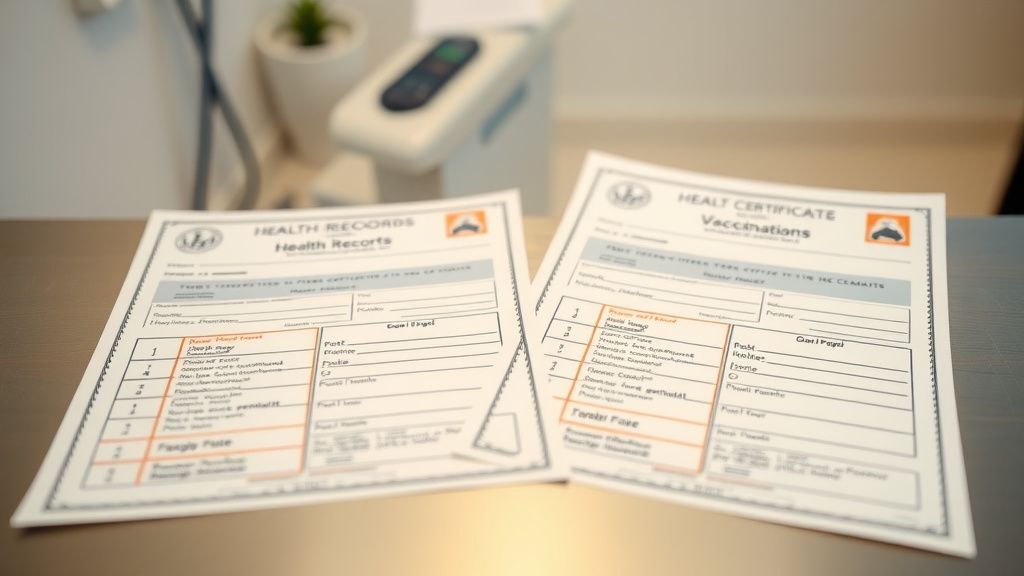
The RSPCA strongly advises that both dogs should have recent health checks and be up to date on vaccinations, worming, and parasite control. You want both animals to be in their best physical shape to handle the stress of a new situation. A dog feeling unwell or itchy from parasites may be irritable and less tolerant. Schedule a vet visit for your new dog soon after adoption, and ensure your current dog's preventative care is current.
Assess Temperament and HistoryTake an honest look at your current dog's social history. The experts at Dogster emphasize that if your dog has a history of fighting or aggression towards other dogs, this may not be the right time to bring in a new canine companion. Their happiness and safety should come first. If you are determined to proceed in such a situation, consulting a certified canine behavior expert before the adoption is non negotiable.
Gather Your SuppliesYou'll need the right tools for a controlled introduction. PetMD recommends secure gear that dogs cannot slip out of, like a martingale collar or a well fitted harness, paired with a standard 6 foot leash. Avoid retractable leashes, as they can fail under pressure and don't offer the same level of control. Have a pocket full of small, high value treats ready to reward calm behavior. Think of something irresistible, like the kind you might find in a dog subscription box, small, smelly, and motivating.
Set Up Your HomeBefore the new dog arrives, create separate spaces for each dog. This includes separate feeding stations, water bowls, beds, and crates. The goal is to prevent competition over resources from day one. Put away your resident dog's favorite toys and chews initially to avoid guarding behavior. This temporary measure allows you to reintroduce shared items slowly later on.
The Introduction: Step-by-Step Process
This is the moment you've been preparing for. Rushing this stage is the most common mistake people make. Patience here pays off in a huge way.
Step 1: The Neutral Territory MeetingAlmost every source, from the AKC to the Reddit community, agrees: the first meeting should not happen at home. Your resident dog views your home as their territory, and a new dog walking in can feel like an invasion. Instead, choose a neutral location like a quiet park, a friend's yard, or even a large parking lot.
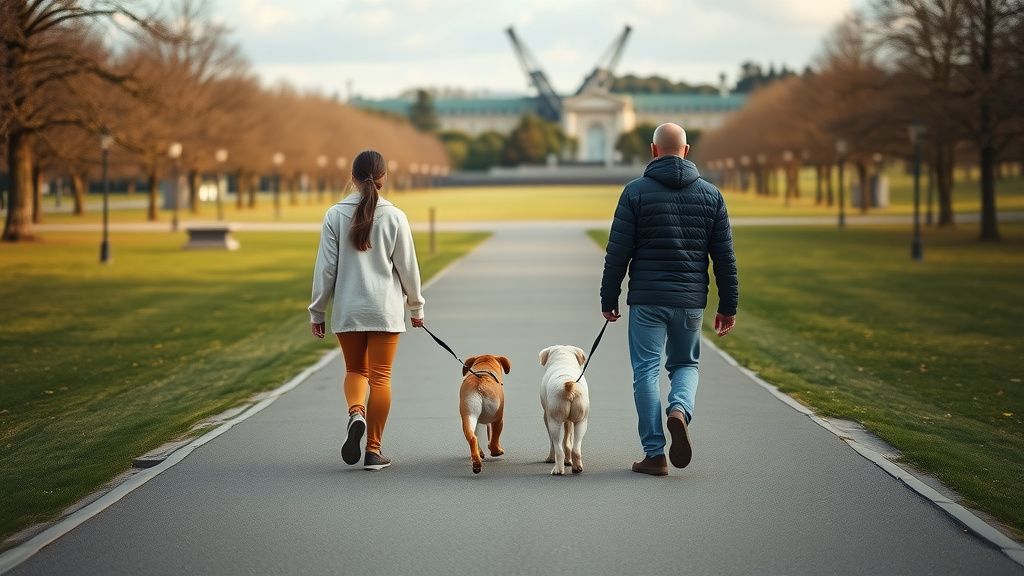
Begin with the dogs at a significant distance, perhaps 30 feet apart or more, as suggested by MasterClass. Walk them parallel to each other, with a human handler for each dog. Keep the leashes loose and relaxed; tension travels right down the leash to the dog. The goal is to let them notice each other without feeling pressured to interact.
Step 2: The Gradual ApproachAs you walk, slowly decrease the distance between the two dogs. The Animal Humane Society describes this as a process that might take several walks. Watch their body language closely. If both dogs are loose bodied, occasionally glancing at each other without fixating, and continuing to walk nicely, you can gradually move the human handlers closer together. If you see stiff postures, raised hackles, or intense staring, increase the distance again and give them more time.
Step 3: The Sniff IntroductionWhen the dogs are walking calmly about ten feet apart, you can allow a closer, face to face meeting. Let them approach each other in a curved line, not head on, which can feel confrontational. Allow a brief sniff, just a few seconds, then calmly and happily call them away and reward them with a treat. Keep these initial interactions short and positive.
Step 4: The Walk Home TogetherAfter a successful sniff and some calm, parallel walking at a closer distance, you can move the introduction toward home. Cesar's method recommends starting at a neutral spot, then walking home with the dogs together, acting as though nothing has changed. This shared activity builds a sense of camaraderie. The AKC also suggests walking them together into your front yard and then inside the home as a team.
Bringing the New Dog Into the Home
You've made it through the first meeting outside. Now comes the integration into shared space.
Supervised CoexistenceOnce inside, keep both dogs leashed for a while as they explore the common areas together under your watchful eye. The Indoor Pet Initiative stresses that you should observe and supervise closely at first. It is best not to leave two newly introduced dogs alone before they have become well acquainted.
Allow them to sniff rooms together, but be ready to intervene with a happy voice or a treat distraction if you see any tension. Feed them their first few meals in separate rooms or crates to avoid food related stress.
Managing ResourcesContinue to manage all high value items: food, toys, chews, and even your attention. Practice calling each dog to you for individual pets and treats, so neither feels left out. You can use meal times to reinforce calm behavior by using puzzle feeders or stuffed Kongs in their separate areas, which helps create positive associations.
Reading Canine Body LanguageYour most important job during this phase is to be a translator. Look for signs of stress or anxiety in either dog, which you can learn more about in our dog anxiety guide. Signs like lip licking, yawning, whale eye (showing the whites of the eyes), or a stiff, still body mean it's time to give the dogs a break. Conversely, play bows, loose, wiggly bodies, and bouncy movements are great signs. If play does start, keep sessions short and supervised.
Common Challenges and Solutions
Even with perfect planning, you might hit a few bumps. Here's how to handle them.
Overshadowing the Resident DogYour first dog might feel displaced. Make a conscious effort to spend one on one time with them, maintaining their usual walk and play routines. Give them their favorite best dog treats when the new dog is calmly in a crate or another room. Their world has changed; reassure them that their place in your heart is secure.
Possessiveness and GuardingIf either dog growls over a toy, bed, or even your lap, do not punish them. Punishment can suppress the warning growl and lead to a bite without warning. Instead, manage the environment to prevent access to contested items. Teach a solid "drop it" or "leave it" command using positive reinforcement, and practice it outside of tense moments.
When to SeparateIf you see escalating tension, a hard stare, or a snarl, separate the dogs immediately in a calm, non dramatic way. Use a happy voice to call them apart, or use a door or baby gate. A break is not a failure; it's a necessary reset. Give them both some quiet time in their separate spaces before trying another calm, parallel walk later.
Seeking Professional HelpIf you see repeated aggressive reactions, intense fear, or if you are simply feeling overwhelmed, reach out to a professional. A certified dog trainer or veterinary behaviorist can provide tailored guidance and ensure everyone stays safe. This is a wise investment in your family's long term harmony.
Building a Lasting Bond
The introduction is just the first chapter. Now you're building a shared life.
Establishing RoutinesDogs thrive on predictability. Establish new household routines that include both dogs. Feed them at the same time (but in separate spaces), walk them together once they are comfortable, and have structured quiet times. A consistent schedule reduces anxiety for everyone.
Shared Activities and Positive AssociationsCreate new, happy memories together. Go on group walks, practice simple training exercises with each dog individually while the other watches (and gets treats for calm behavior), or offer lick mats or chews while they relax in the same room. You can even make mealtime an enriching event with a high quality fresh dog food that both dogs enjoy in their own areas.
Patience is the Real KeyRemember that this is a process, not a single event. It can take weeks or even months for two dogs to fully settle into a comfortable relationship. Some dogs become fast friends, while others develop a respectful, tolerant coexistence. Both outcomes are successful. The goal is a peaceful, safe home.
Final Thoughts
Introducing a new dog to your family is a journey that requires as much heart as it does strategy. By prioritizing neutral territory, controlled meetings, and endless patience, you give both dogs the best chance to start their relationship on positive footing. There will be moments of chaos and moments of pure joy, like when you finally see them snoozing on opposite ends of the same couch. Your role as their guide is to manage the environment, reward the behaviors you want to see, and interpret their communication. The effort you put into these first weeks will shape their dynamic for years to come, paving the way for a home filled with more love, more wagging tails, and the unique contentment that comes from a multi dog family done right.
Recommended Products



Find the Perfect Box for Your Dog
Compare top-rated dog subscription boxes and find the best fit for your pup.
Compare Boxes