Safely Express Dog Anal Glands At Home
Learn the safe, step-by-step method for expressing your dog's anal glands at home to prevent discomfort and vet visits.
To express your dog's anal glands at home safely, position your dog on a stable, elevated surface for small dogs or on the floor for large dogs. Wearing gloves, locate the glands at the 4 and 8 o'clock positions around the anus and gently apply pressure upward and inward to release the fluid. It is generally recommended to have a veterinarian or groomer perform this procedure, but if you must do it yourself, proper preparation and gentle technique are crucial to avoid injury or infection.
If you've noticed your dog scooting their rear across the carpet or obsessively licking under their tail, you're likely facing a common canine issue: full anal glands. As a dog owner, it's a topic that comes with the territory, yet it's rarely discussed at the dog park. These small sacs, located on either side of your dog's anus, serve an important function in the wild but can become a source of significant discomfort in our domestic companions. While the best course of action is usually a visit to your vet or groomer, there are circumstances where knowing how to handle this messy task at home can provide your dog with immediate relief. I've helped many anxious pet parents through this process, and with the right information, you can approach it calmly and effectively.
What Are Anal Glands and Why Do Dogs Have Them?
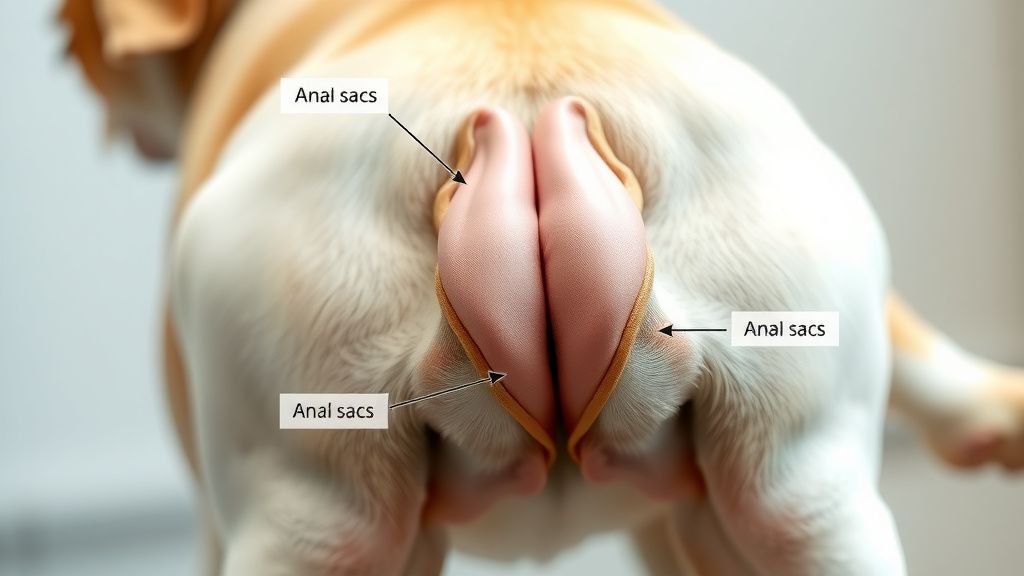
Every dog has two small sacs, also called anal sacs, located just inside the anus at approximately the 4 and 8 o'clock positions. They produce a strong-smelling, oily fluid that is unique to each dog. In the wild, this fluid is expressed during bowel movements, leaving a scent signature that communicates a wealth of information to other dogs, from identity to reproductive status. It's the reason dogs are so interested in sniffing each other's rear ends during greetings.
For most dogs, this system works automatically. The pressure of a normal, firm stool passing through the rectum naturally expresses a small amount of this fluid, keeping the sacs emptied and healthy. Problems arise when this natural process fails. If the gland ducts become blocked or the stool is too soft to apply adequate pressure, the fluid accumulates. This leads to impaction, which is not only uncomfortable but can become infected or even rupture, creating a serious medical situation known as an anal gland abscess.
Signs Your Dog's Anal Glands Need Attention
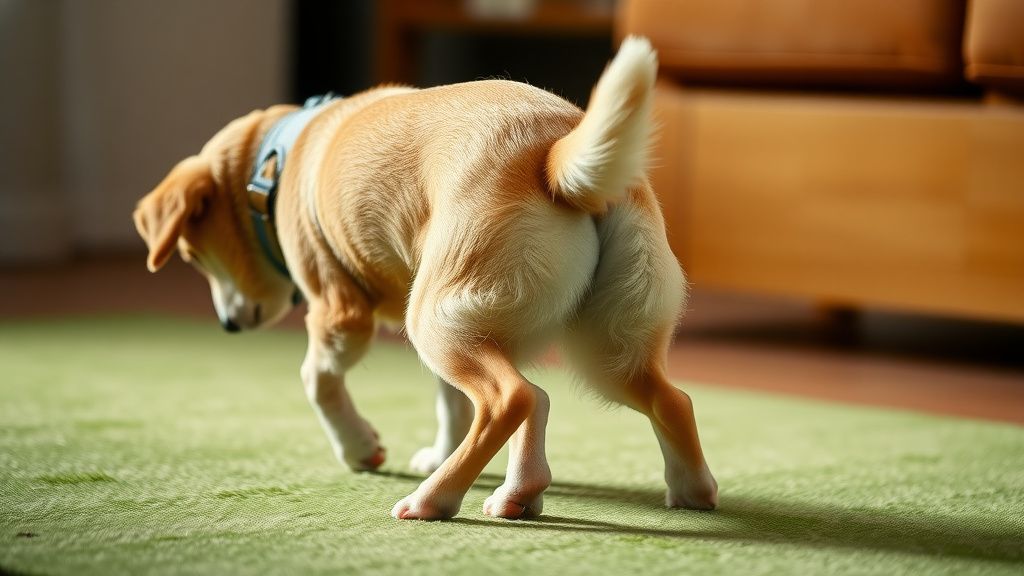
Dogs are pretty good at telling us when something is wrong, especially with this particular issue. The signs are often unmistakable once you know what to look for. The classic symptom is scooting, where your dog drags their bottom across the floor in an attempt to relieve the pressure and itching. You might also see them excessively licking or biting at the area under their tail.
Sometimes, the issue announces itself with a smell. If you catch a sudden, potent, fishy odor coming from your dog, it's often a sign that the glands have released spontaneously, possibly because they were overfull. In more severe cases, you may notice swelling or redness on one or both sides of the anus, or your dog may show signs of pain when sitting or defecating. If you see any blood or pus, that indicates an infection or abscess, and you should contact your veterinarian immediately.
Should You Express Your Dog's Anal Glands at Home?
This is the million-dollar question. The consistent advice from veterinary sources, including the American Kennel Club and PetMD, is clear: having a professional perform this procedure is the safest option. Your veterinarian or a trained groomer has the experience to do it quickly and correctly, minimizing stress and risk for your dog.
However, there are scenarios where an at-home expression might be considered. If your dog has a chronic issue and your vet has shown you the proper technique, managing it at home can be part of their care plan. For some owners in remote areas or with severely anxious dogs for whom a vet visit is highly traumatic, learning the skill can be beneficial. The key is to be honest with yourself about your comfort level and your dog's temperament. If either of you is too stressed, it's better to seek professional help. For dogs with general anxiety around handling, our dog anxiety guide offers tips to help them feel more at ease.
How to Express Dog Anal Glands: A Step-by-Step Guide
If you and your veterinarian have decided that at-home expression is appropriate for your dog, follow these steps carefully. Patience and gentleness are your most important tools.
Gather Your Supplies First:* Disposable medical gloves (nitrile is best)
* Petroleum jelly or a water-based personal lubricant
* Paper towels or damp cloths
* A helper (strongly recommended, especially for your first time)
* A few high-value best dog treats for rewarding calm behavior
* An old towel or disposable puppy pad
Preparation and Positioning:1. Choose your location wisely. For a small dog, place them on a sturdy, elevated surface like a grooming table or a counter covered with a towel. For a large dog, you can work with them standing on the floor. Always put a towel beneath and behind them to catch any fluid.
2. Have your helper gently hold your dog in a standing position. They can offer treats and soothing words to keep your dog calm.
3. Put on your gloves. Apply a generous dab of lubricant to your index finger and thumb.
The Expression Technique:There are two primary methods: external and internal. The external method is less invasive but often less effective, especially for impacted glands. The internal method is more reliable and is the one most commonly used by professionals.
* External Method: Standing behind your dog, lift their tail straight up. With your lubricated thumb and forefinger on the outside of the skin, locate the glands at the 4 and 8 o'clock positions. They often feel like small, firm peas or grapes. Gently squeeze upward and inward, toward the anus. You should see a small amount of thin, brownish fluid express onto the paper towel. If the material is thick, pasty, or you see blood or pus, stop and call your vet.
* Internal Method: This is the technique described by sources like PetMD and River Road Veterinary Clinic. Again, stand behind your dog and lift the tail. Gently insert your lubricated index finger into the rectum, about one knuckle deep. You will feel the small, round gland sac inside. Place your thumb on the outside of the skin, directly over the gland. Gently but firmly squeeze your thumb and index finger together, milking the gland upward and outward. Wipe the area clean. Repeat on the other side.
Always be incredibly gentle. If you meet significant resistance, do not force it. This could indicate an impaction or infection that requires veterinary attention. Reward your dog lavishly with treats and praise throughout and after the process.
When to Absolutely Call the Veterinarian
Knowing when to stop and seek professional help is just as important as knowing how to start. You should contact your vet if:
* The glands are difficult to locate or express.
* The expressed material is not a thin liquid (it is thick, gritty, or pasty).
* You see any blood, pus, or unusual coloration in the fluid.
* The area around the anus looks swollen, red, or painful to the touch.
* Your dog cries, yelps, or shows significant signs of pain during your attempt.
* The scooting or licking continues after you've expressed the glands.
* Your dog's glands seem to need expressing more than once a month. Chronic issues need a veterinary diagnosis to rule out underlying causes like allergies, skin infections, or anatomical problems.
Promoting Natural Anal Gland Health
The goal for any dog owner should be to support their dog's body in expressing these glands naturally. Diet plays a starring role here. A diet that produces firm, bulky stools creates the ideal internal pressure to empty the sacs regularly. Many dogs benefit from added fiber.
* Diet: Consider a high-fiber dog food or adding fiber supplements like canned pumpkin (plain, not pie filling), psyllium husk, or a spoonful of wheat bran to their meals. Some owners find that a fresh dog food or freeze-dried dog food diet, which often has fewer fillers, helps create better stool consistency. Always consult your vet before making major dietary changes.
* Weight and Exercise: Keeping your dog at a healthy weight ensures they have good muscle tone, which can help with gland function. Regular exercise also promotes healthy digestion.
* Probiotics: A healthy gut can lead to healthier stools. A quality probiotic supplement may be beneficial.
* Regular Check-ups: Mention your dog's gland health during routine vet visits. Some dogs simply have poorly positioned glands or chronic issues that require regular professional expression, and that's okay. It's a maintenance item, like getting their nails trimmed.
Final Thoughts
Expressing your dog's anal glands is undeniably one of the less glamorous aspects of pet ownership. While the process can be managed at home with careful research and a steady hand, it's vital to recognize it as a medical procedure, not just a grooming task. Your dog's comfort and safety must always come first. If you're ever in doubt, the expertise of your veterinarian is the best resource you have.
For many dogs, occasional issues can be managed with attention to diet and overall health. For others, it's a recurring condition that becomes part of their care routine. Whatever your dog's situation, approaching it with knowledge and a calm demeanor will make the experience better for everyone involved. And remember, after dealing with such a hands-on task, rewarding your loyal companion (and maybe yourself) with a fun new toy from a best dog subscription box can be a perfect way to end the day on a positive note.
Find the Perfect Box for Your Dog
Compare top-rated dog subscription boxes and find the best fit for your pup.
Compare Boxes