Crate Training Your Adult Dog Made Easy

Transform your adult dog into a crate-loving pro with this simple, stress free guide to positive crate training.
Crate training an adult dog is done through positive reinforcement in a series of small steps, ensuring the crate is always associated with pleasant things. Start by choosing the right size crate, introducing it with high value treats and meals, and gradually building up to closing the door and leaving the room. Patience is key, and you should move at your dog's pace to build a positive association.
The thought of crate training an adult dog can feel a bit daunting. Maybe you've just adopted a rescue, or your older companion has never needed a crate before, but now circumstances have changed. You might be worried it will feel like a punishment or that your dog will never adjust. I've been there, and I can tell you that with the right approach, it's absolutely possible and can be a wonderful gift for your dog. A crate becomes their personal bedroom, a safe den where they can relax and feel secure. It's not about confinement; it's about providing a consistent, comfortable space that belongs entirely to them. This guide will walk you through the process, step by step, using methods backed by experts from the AKC, Purina, and leading veterinary behaviorists. We'll cover everything from selecting the perfect crate to troubleshooting common challenges, all while keeping your dog's comfort and confidence at the heart of the process.
Why Crate Train an Adult Dog?
You might wonder if it's necessary or even fair to crate train a dog who's already set in their ways. The benefits, however, extend far beyond simple containment. A properly introduced crate serves as a powerful management and safety tool. It gives your dog a predictable retreat when they are overwhelmed by guests, fireworks, or even just the daily hustle of a busy household. It keeps them safe when you can't supervise them directly, preventing them from chewing on dangerous items or having accidents in the house. For travel, whether a road trip or a stay at the vet, a dog who is comfortable in a crate experiences significantly less stress. The San Francisco SPCA notes that a crate creates a safe space for your dog, which is especially valuable for rescue dogs adjusting to a new home environment. Think of it not as a cage, but as a tool for providing structure and security, which many dogs genuinely crave.
Getting Started: Choosing the Right Crate
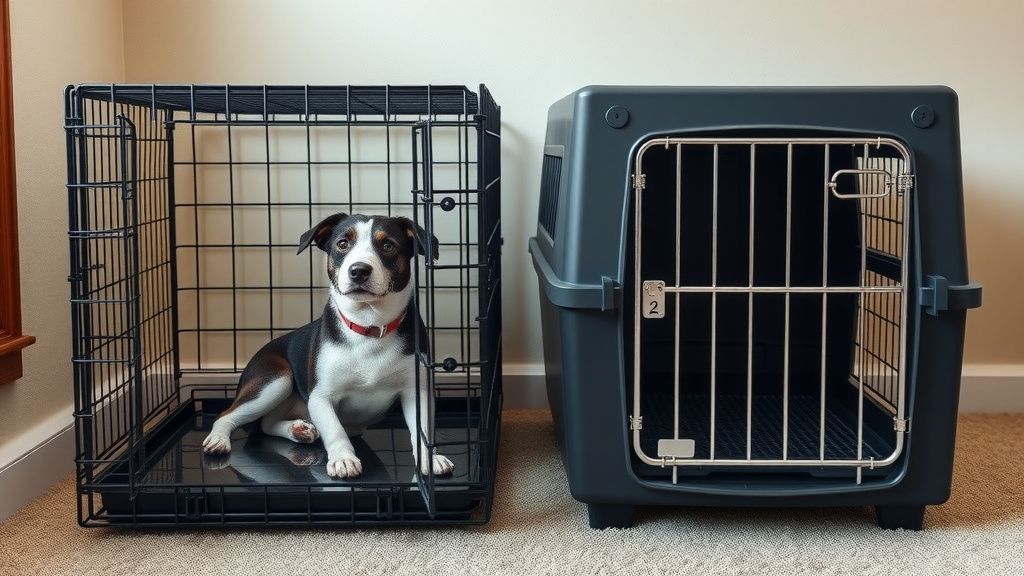
Success begins with the right setup. The crate you choose is your dog's new bedroom, so it needs to be inviting and appropriately sized. As the American Kennel Club experts advise, the crate should allow your adult dog to stand up without crouching, turn around comfortably, and lie down stretched out. A crate that is too big can undermine house training, as a dog might use one corner as a bathroom. For dogs that prefer a cozy, den-like atmosphere, an airline or kennel style crate with solid walls is often best. For most other dogs, a collapsible wire crate is a great option because it provides ample ventilation and allows your dog to see their surroundings. You can always drape a light blanket over part of a wire crate to make it feel more enclosed. Place the crate in a quiet but socially relevant area, like a corner of the living room or bedroom, so your dog doesn't feel isolated. Make it cozy with a comfortable bed or blanket. For anxious dogs, an item that smells like you, like an old t-shirt, can be incredibly soothing. If you're looking for the perfect crate bedding, a monthly dog subscription box can be a fun way to try out new mats and blankets until you find your dog's favorite.
The Step-by-Step Training Process
This process is all about patience and positive association. As Humane World for Animals emphasizes, two rules are paramount: the crate must always be linked with something pleasant, and you must proceed in a series of small, manageable steps. Rushing will only create anxiety. Set aside five to ten minutes for multiple short sessions each day.
Step 1: Introduce the Crate
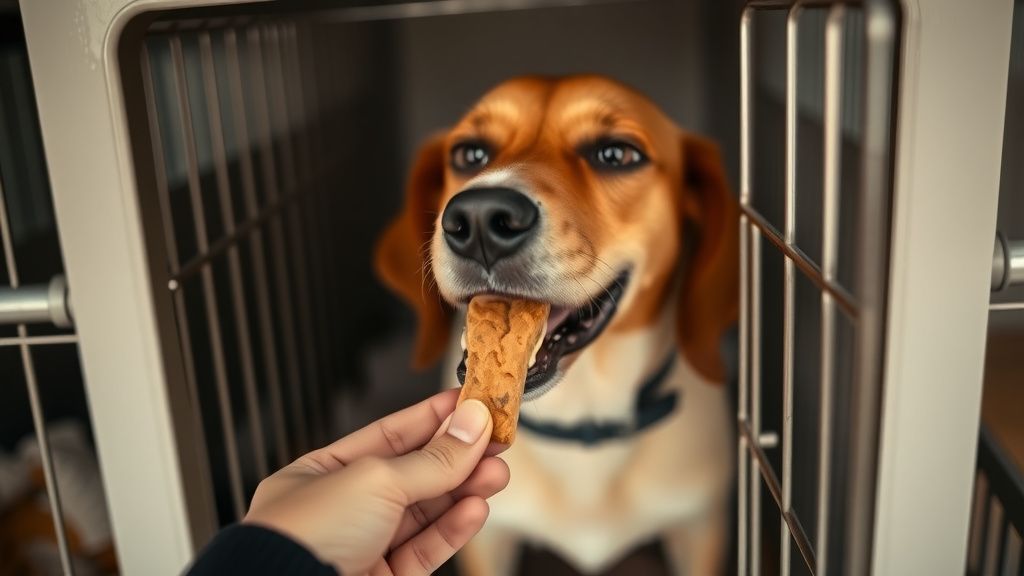
Start with the door removed or securely fastened open. Simply let your dog investigate this new piece of furniture on their own terms. Avoid any pressure or coaxing. Toss some incredibly high value treats near the crate, then just inside the doorway. Good options from the research include marrow bones or single-ingredient lung treats. You can also feed their regular meals right next to the crate opening. The goal is for your dog to learn that wonderful things happen around this strange new object.
Step 2: Build a Positive Association
Once your dog is comfortable taking treats at the entrance, begin placing treats and meals further inside. You can use a treat as a target, holding it in your hand to guide their nose into the crate, as suggested by Preventive Vet. A fantastic tool for this is a food-stuffable toy like a Kong, smeared with a bit of peanut butter or filled with their kibble mixed with a bit of wet food. Place this treasure at the very back of the crate. Let them enter, enjoy it, and leave freely. Repeat this until they enter the crate eagerly and without hesitation. This is where having a reliable source of special training treats is key. Considering a dog food delivery service that includes wholesome, training-sized treats can keep your supply stocked.
Step 3: Practice with the Door Closed
Now, begin to incorporate the door. While your dog is happily eating their stuffed toy or meal inside the crate, calmly close the door. Open it again the moment they finish. The action of opening the door should not be the cue for them to rush out; wait a moment for them to be calm, then open it. Gradually increase the time the door stays closed after they finish their treat. Start with just 5 seconds, then 10, then 30. Sit quietly nearby. If they remain calm, drop another small treat through the openings. The key, as noted on Pets Stack Exchange, is to reward when the dog looks completely calm and comfortable inside. If they whine or paw at the door, they are not ready for that duration. Go back to a shorter time.
Step 4: Increase Distance and Duration
After your dog can relax in the closed crate with you nearby for several minutes, start to add very short absences. Give them their special crate toy, close the door, and take a few steps away. Return before they get anxious, sit down, and then release them once they are calm. Slowly build up to leaving the room for a few seconds, then a minute, then five minutes. Vary your routine before leaving. The Animal Humane Society recommends crating your dog anywhere from 2 to 20 minutes before you actually depart, and keeping your goodbyes and hellos very matter-of-fact. This prevents the crate from becoming a signal for your prolonged absence and helps curb separation anxiety. For more help with anxious behaviors, our dog anxiety guide offers additional strategies.
Troubleshooting Common Challenges
Even with the best plan, you may hit a few bumps. The most important thing is not to get discouraged. As Rover.com's experts point out, if you encounter problems, it often means you've moved too quickly. Simply go back a few steps and proceed more slowly.
Excessive Whining or Barking: First, rule out basic needs. Has your dog recently gone to the bathroom? Are they thirsty? If they are otherwise comfortable, whining in the crate usually indicates they need more time to adjust at an earlier step. Never let them out while they are whining or barking, as this teaches them that making noise opens the door. Wait for a moment of quiet, even just a brief pause, before opening the crate. Reluctance to Enter: Make the crate more rewarding. Upgrade the treats to something truly special that they only get in the crate. You might try a dab of fresh dog food or a piece of freeze-dried dog food as a super high value lure. Ensure the crate is comfortable and in a good location. Never force or push your dog inside. Accidents in the Crate: If this happens, thoroughly clean the crate with an enzymatic cleaner to remove all odor. Re evaluate the crate size it may be too large. Also, make sure you are following a consistent potty schedule, letting your dog out immediately before crating and the very moment you let them out.Making the Crate a Long-Term Happy Place
Once your dog is fully crate trained, your job is to maintain the positive association. The crate should never be used as a punishment. Continue to provide special treats and chews in the crate randomly. Leave the door open during the day so they can choose to nap in there voluntarily. You can even use it to manage their excitement during mealtimes by giving them their dinner in their crate while you eat yours in peace. For dogs who enjoy variety, rotating the cozy items inside their crate from a best dog subscription boxes service can keep the space feeling new and exciting. Remember, the crate is your dog's sanctuary. Respecting that space by not bothering them when they're inside reinforces its value as their own safe haven.
Final Thoughts
Crate training an adult dog is a testament to the bond you share and your commitment to their well being. It requires more patience than training a puppy, as you may be working against years of established habits or past experiences. But by moving at your dog's pace, using irresistible rewards, and framing the crate as a source of all good things, you can successfully provide them with a lifelong safe space. The process itself can deepen your communication and trust. There will be days of progress and days that feel like setbacks. Celebrate the small victories: the first time they choose to walk in on their own, the first peaceful nap with the door closed, the calm greeting when you return home. These moments are the real goal. With consistency and compassion, you're not just training your dog to accept a crate; you're giving them the gift of a secure, personal den where they can always feel at ease.
Recommended Products



Find the Perfect Box for Your Dog
Compare top-rated dog subscription boxes and find the best fit for your pup.
Compare Boxes