Dog Teeth Cleaning Costs In 2026

Expect dog teeth cleaning costs to range from $300 to $1,200 in 2026, depending on your pet's needs and location.
The cost of a professional dog teeth cleaning at the vet in 2026 can range widely from about $170 to over $4,000. According to multiple sources, the typical average falls between $300 and $2,000, with a common range of $350 to $800 for a standard procedure. The final price depends heavily on your location, your dog's specific needs, and whether you see a general vet or a dental specialist.
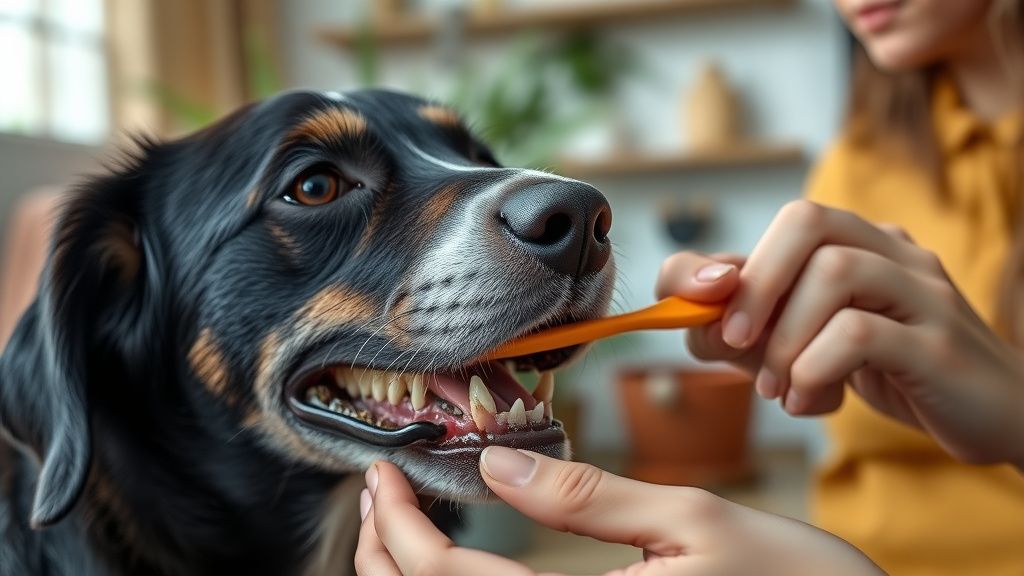
You're brushing your dog's teeth, trying to be the responsible pet parent you know you are, when you spot a little redness along the gum line or catch a whiff of something less than pleasant. That's the moment many of us realize it might be time for a professional cleaning. I've been there myself with my own dogs, balancing the worry for their health with the practical question of budgeting. It's a common crossroads for dog owners. Understanding what goes into the cost of a dog dental cleaning isn't just about the price tag, it's about grasping the value of a procedure that's far more than a simple scrub. It's a vital part of preventive healthcare that can add years to your dog's life and save you from much more expensive problems down the road. Let's break down exactly what you're paying for and how you can plan for it.
What is Included in a Professional Dog Teeth Cleaning?
Many people picture a process similar to our own quick trip to the hygienist, but a veterinary dental cleaning is a comprehensive medical procedure. The significant cost comes from the depth of care and safety protocols involved. It's not just "scrub their teeth," it's a full inspection and treatment plan.
First, your dog will undergo a pre anesthetic blood test to ensure they're healthy enough for anesthesia. This is non negotiable for their safety. Once cleared, they are placed under general anesthesia. This allows the veterinary team to do a thorough job without causing your dog any stress or pain, and it keeps them perfectly still for delicate work.
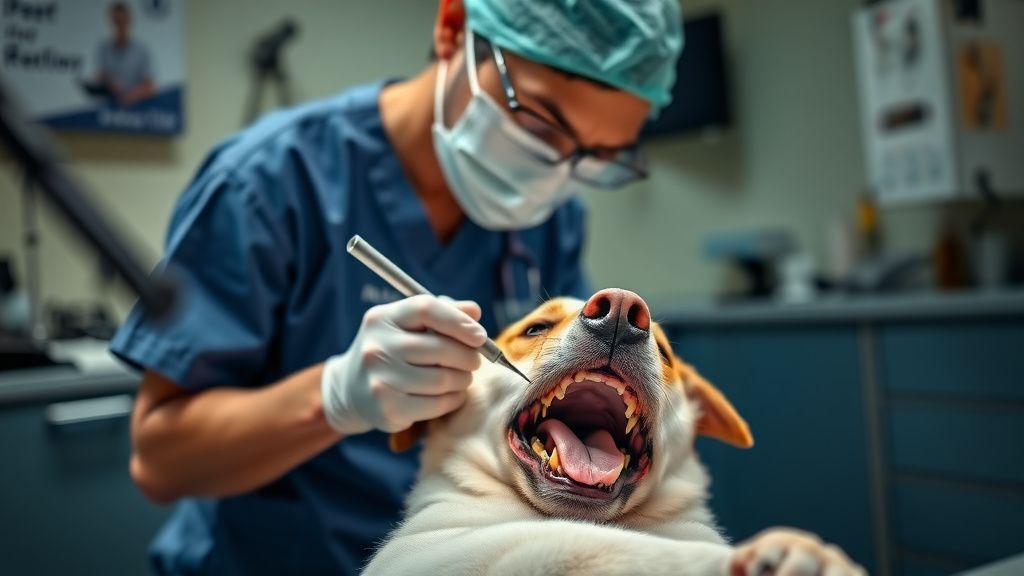
With your dog safely anesthetized, the vet or a licensed veterinary technician will perform a complete oral exam, checking each tooth and the surrounding gums. They'll then use specialized tools to scale plaque and tartar from above and, crucially, below the gum line where most periodontal disease starts. After scaling, they polish each tooth to create a smooth surface that resists new plaque buildup. Most vets also take full mouth dental X rays. These radiographs are essential, as they reveal problems hidden below the gums, like abscesses, bone loss, or diseased roots that can't be seen with the naked eye. Finally, your dog is monitored closely as they wake up from anesthesia.
The base cost you're quoted typically covers this full suite of services: exam, anesthesia, monitoring, scaling, polishing, and sometimes basic X rays. It's this comprehensive approach that justifies the investment, as outlined by sources like Vety.com and Credee.com.
What Factors Influence the Final Cost?
Why does one dog's cleaning cost $400 while another's is $2,500? Several key variables come into play, turning a routine cleaning into a more complex procedure.
Your Geographic Location: Just like the cost of living, veterinary care costs more in major metropolitan areas and coastal cities than in rural regions. A cleaning in New York City or San Francisco will almost always be higher than one in a small Midwestern town. The Veterinarian's Expertise: A general practice veterinarian will generally charge less than a board certified veterinary dental specialist. According to PetLabCo and Forbes Advisor, seeing a specialist can push costs toward the higher end of the spectrum, potentially up to $4,000, especially for complicated cases. Your Dog's Specific Needs: This is the biggest variable. The initial estimate is for a healthy mouth. If the X rays and exam reveal issues, additional treatments are needed, and they add up quickly.* Tooth Extractions: This is the most common add on. A simple extraction might add $50 to $150 per tooth, while a complex surgical extraction of a large, multi rooted tooth can cost $500 or more.
* Severe Dental Disease: Advanced periodontal disease requires more time, specialized instruments, and medications like long acting antibiotics placed in gum pockets, increasing the overall fee.
* Other Oral Surgeries: Procedures like repairing a fractured jaw, removing oral tumors, or performing a gingivectomy (removing diseased gum tissue) are separate, significant costs.
Clinic Overheads: The quality of the anesthetic equipment, monitoring devices, and digital X ray technology used by the clinic also factors into their pricing. You're paying for a modern, safe medical facility.What is the Average Price Range in 2026?
Pinning down one single "average" is tricky because of all the factors we just discussed, but consolidating data from our research gives us a clear picture of what you can expect to see in 2026.
The most frequently cited overall range is $300 to $2,000, as reported by Dogster and PetLabCo. For a standard cleaning without extractions, many sources point to a narrower band. CareCredit notes an average of $388, with a typical range of $307 to $702. PetMD suggests $350 to $500 for routine care, while Chewy offers a range of $200 to $800.
It's crucial to understand the extremes. On the very low end, a basic cleaning in a low cost area might be found for around $170, as mentioned by Forbes Advisor. On the high end, for a dog requiring multiple extractions and care from a specialist, costs can easily reach $3,000 or more, with Forbes noting the potential for up to $4,000.
Think of it this way: the initial quote is for the "package" of standard cleaning services. Any diagnosed problems are treated as line item additions. Always ask for a detailed, itemized estimate before agreeing to the procedure so there are no surprises.
How Can You Save on Dog Dental Care?
The absolute best way to save money is to prevent the need for extensive dental work in the first place. Proactive, at home care is your most powerful financial tool.
Establish a Home Dental Routine: Daily brushing with a dog specific toothpaste is the gold standard. If daily isn't possible, aim for several times a week. Consistency matters more than perfection. I've found that pairing brushing with a high value treat afterward helps my dogs accept it more readily. Use Approved Dental Products: Look for treats, chews, and water additives that have the Veterinary Oral Health Council (VOHC) seal. These are clinically proven to help reduce plaque and tartar. Incorporating these into your routine can make a big difference between cleanings. Diet Matters: What your dog eats impacts their oral health. Some kibbles are designed with a specific texture to help scrub teeth, but discuss diet options with your vet. For dogs prone to dental issues, exploring options like fresh dog food or dental specific formulas can be part of a holistic plan. Don't forget that the right treats can aid dental health, which is something we consider when curating our best dog subscription boxes. Get Pet Insurance or a Wellness Plan: This is a strategic financial move. A good pet insurance policy that covers dental illnesses (not just accidents) can be a lifesaver if your dog needs extractions or treatment for periodontal disease. Alternatively, many veterinary clinics offer annual wellness plans that include a discount on a dental cleaning, spreading the cost over monthly payments. Compare Estimates: It's perfectly reasonable to call a few reputable clinics in your area for a ballpark estimate for a routine cleaning. Just ensure you're comparing similar service packages.When is a Dental Cleaning Necessary?
You shouldn't just schedule a cleaning because it's been "a while." You should schedule it based on evidence. Watch for these signs that your dog needs professional attention:
* Persistent bad breath: This is often the first and most noticeable sign of bacterial buildup.
* Visible tartar: Yellow or brown crusty material on the teeth, especially near the gums.
* Red, swollen, or bleeding gums.
* Drooling excessively or dropping food while eating.
* Pawing at the mouth or showing obvious discomfort.
* Loose or missing teeth.
Your veterinarian will also assess your dog's mouth during their annual checkup and recommend a cleaning based on their professional evaluation. Waiting until you see severe symptoms often means the disease is advanced and the procedure will be more complex and costly. For dogs who show significant stress about vet visits, which can complicate care, our dog anxiety guide has helpful tips for preparation.
Final Thoughts
Facing a potential bill of several hundred or even thousand dollars for a dog teeth cleaning can feel daunting. But when you understand that you're investing in a detailed medical procedure performed under anesthesia, with diagnostic X rays and the potential to resolve painful, hidden problems, the value becomes clear. This isn't a cosmetic service, it's a critical component of your dog's overall health, with proven links to heart, liver, and kidney function.
Start by talking to your vet at your dog's next regular appointment. Ask for an oral health assessment and a preliminary estimate for a cleaning based on what they see. Then, commit to a better at home care routine. The small, consistent efforts you make with a toothbrush, approved dental chews, and a thoughtful diet can dramatically extend the time between those necessary professional cleanings, keeping your dog healthier and your long term costs lower. Your dog's bright smile and vibrant health are worth every bit of the planning and care.
Recommended Products



Find the Perfect Box for Your Dog
Compare top-rated dog subscription boxes and find the best fit for your pup.
Compare Boxes