Hidden Dangers In Homemade Dog Food

Are you harming your dog with homemade food? Learn how online recipes can lead to dangerous nutritional gaps.
Yes, the vast majority of online homemade dog food recipes are likely causing nutritional deficiencies. Multiple studies, including a large analysis of over 1,700 recipes, found that 94% to 95% of them lack complete nutrition. This widespread insufficiency can lead to serious, long term health problems for dogs, including bone disorders and immune system issues.
You love your dog more than anything. You want to give them the very best, and for many of us, that instinct leads straight to the kitchen. We picture ourselves lovingly preparing wholesome, human grade meals, knowing exactly what goes into every bite. It feels like the ultimate act of care. I completely understand that drive. As a dog owner myself, I've been tempted by those beautiful blog photos of colorful, fresh cooked dog food. But what if our good intentions are accidentally harming our pets?
Recent, concerning research suggests that the homemade dog food journey is fraught with hidden pitfalls. A shocking number of the recipes we find online with a quick search are not just imperfect, they are dangerously incomplete. Before you dice another carrot or boil another chicken breast, let's look at what the science says about homemade dog food and the very real risk of nutritional deficiencies.
The Alarming Statistics: What the Research Reveals
The desire to cook for our dogs is not a fringe trend. It's incredibly popular. That's why researchers from institutions like Texas A&M and the Dog Aging Project decided to investigate. They analyzed thousands of homemade dog food recipes available in books, magazines, and online. Their findings were consistently stark.
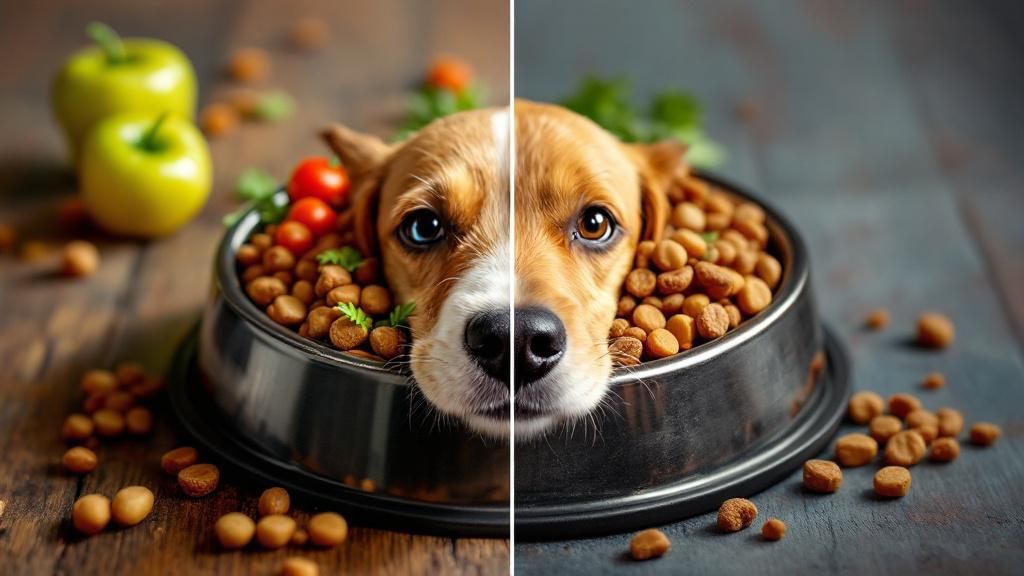
A study highlighted by *Newsweek* and *Seattle Today* examined a large sample of these popular recipes. The result was that only about 6 percent had the potential to be nutritionally complete. That means a staggering 94% were missing essential nutrients. Another study from UC Davis, cited by mypetgrocer.com, found a similar figure, with 95% of recipes lacking key nutrients. Even more worrying, 83% of those had multiple serious deficiencies.
Think about that for a moment. If you randomly pick a homemade dog food recipe from the internet, you have about a 6 in 100 chance of it providing everything your dog needs to thrive. Those are odds I wouldn't bet my dog's health on. These aren't minor omissions. We're talking about the building blocks for strong bones, a healthy heart, and a strong immune system.
Common Deficiencies and Their Serious Consequences
So what exactly is missing from all these well meaning recipes? The gaps are often in nutrients that are easy for us to overlook but are non negotiable for canine biology.

The scariest part? These deficiencies often don't show immediate symptoms. Your dog might seem fine for months or even years while a slow, systemic problem develops. By the time you notice something is wrong, like a limp, dental issues, or chronic illness, the damage may already be done.
Why Online Recipes Fail (It's Not Your Fault)
You might be wondering, how can so many recipes, often written by people who seem passionate about dogs, be so wrong? The reasons are complex, but they help explain why this isn't a failure of love, but of information.
First, balancing a diet is incredibly complex. A dog's nutritional needs are different from a human's. They require over 40 essential nutrients in very specific amounts and proportions. Creating a recipe that gets all 40 right, for a specific dog's age, size, and activity level, is a job for a specialist. Most bloggers, even talented home cooks, simply don't have the advanced training in veterinary nutrition to do this math.
Second, small changes break the balance. This is a crucial point from the research. You might find a decent recipe, but then you decide to swap chicken for beef, or kale for spinach, or coconut oil for salmon oil because that's what you have on hand. That single substitution can throw the entire mineral and vitamin profile out of alignment. The recipe is no longer complete.
Finally, there is no quality control online. Anyone can publish a recipe. There is no board of experts reviewing that blog post to ensure it meets National Research Council (NRC) guidelines for canine nutrition. The Frontiers in Animal Science article confirms this, stating that even recipes followed correctly can carry risk. The source you trust might be passing on incomplete information from another untrustworthy source.
How to Cook for Your Dog Safely (If You Choose To)
After all this, you might feel that homemade food is just too risky. For many busy owners, a trusted commercial diet or a reputable dog food delivery service that employs veterinary nutritionists is the safest, most convenient choice. Services like these do all the complex balancing for you, delivering complete meals right to your door. It takes the guesswork out of the equation.
However, if you are committed to homemade food, you must do it the right way. The American Animal Hospital Association (AAHA) guidance is unequivocal: consulting with a board certified veterinary nutritionist is the best option.
Here is a practical path to follow:
1. Schedule a Consultation. Find a board certified veterinary nutritionist (DACVIM in nutrition) through the American College of Veterinary Internal Medicine website. Your regular vet can often provide a referral.
2. Get a Custom Recipe. The nutritionist will create a recipe tailored *specifically* to your dog. They will consider breed, weight, age, activity level, and any health issues.
3. Follow the Recipe Exactly. This is not the time for improvisation. Measure ingredients by weight (using a kitchen scale), not volume. Use the exact supplements they prescribe.
4. Schedule Follow Ups. Your dog's needs will change. Have the recipe reviewed periodically, especially if your dog gains/loses weight, ages, or develops a health condition.
This process requires commitment, time, and financial investment. But it is the only way to ensure your homemade meals are truly a gift of health, not a hidden risk.
Smart Alternatives for the Health Conscious Owner
If the DIY path with a nutritionist feels daunting, there are excellent middle-ground options that let you provide superior nutrition without the peril.
High-End Commercial and Fresh Food Services: Many premium dog best dog subscription boxes and delivery services now formulate their meals under the supervision of veterinary nutritionists. They offer the benefits of fresh, human grade ingredients in a nutritionally complete package. You get the peace of mind of a balanced diet with the convenience of pre portioned meals. Use Homemade Food as a Complement: You don't have to cook every meal. A wonderful way to incorporate your love of cooking is to use homemade elements as the best dog treats or meal toppers. You can bake simple, single ingredient treats like dehydrated sweet potato slices or add a spoonful of cooked, plain lean meat or vegetables to your dog's regular, complete kibble. This adds variety and excitement without compromising their core nutritional intake. Become a Label Savvy Shopper: Whether you choose kibble, wet food, or fresh delivery, learn how to read labels. Look for an AAFCO statement confirming the food is "complete and balanced" for your dog's life stage. Research the company's philosophy and whether they employ full time nutrition experts.Final Thoughts
Our desire to cook for our dogs comes from a beautiful place of love and protection. We want to shield them from recalls and fillers, to give them the vibrant health we associate with fresh food. The research, however, paints a clear and urgent picture. That protective instinct can accidentally lead us into a minefield of nutritional deficiencies when we rely on unvetted online recipes.
The data is too consistent to ignore. With 94% of recipes falling short, the odds are stacked against our pets. The potential consequences, from bone diseases to organ failure, are too severe to risk.
The good news is that we have more choices than ever. We can seek expert guidance from a board certified veterinary nutritionist for a custom recipe. We can explore modern, science backed dog food delivery services that blend fresh ingredients with rigorous formulation. We can use our kitchens to make healthy supplements and treats, while relying on a proven complete diet for their main sustenance.
Your dog's health is the ultimate goal. By making informed, evidence based choices, you can achieve that goal with confidence, ensuring your best friend gets every nutrient they need for a long, happy, and healthy life by your side.
Recommended Products


Find the Perfect Box for Your Dog
Compare top-rated dog subscription boxes and find the best fit for your pup.
Compare Boxes