Grain Free Or Grain Inclusive Dog Food 2026

Discover the latest science on grain free vs grain-inclusive dog food for 2026, and what's truly best for your pet's health.
For most dogs, a high quality grain inclusive diet is a safe and nutritious choice. Recent research, including 2026 testing, found no significant difference in digestibility between grain free and grain inclusive formulas when pulses like peas are kept below 20% of the recipe. The best approach for many pet parents may be to provide both types over time to give your dog a fuller spectrum of nutrients.
For years, the dog food aisle has been dominated by a single, simmering debate: grain free or grain inclusive? It's a question that has sparked confusion, concern, and a whole lot of label reading. As we move into 2026, the conversation has evolved from a simple binary choice to a more nuanced discussion about ingredients, digestibility, and individual dog needs. I've watched the trends shift from grain free being hailed as the ultimate premium choice to the sobering FDA alerts, and now to a place of more balanced, evidence based understanding. If you're standing in front of those bags feeling a familiar pang of uncertainty, you're not alone. This update will cut through the noise with the latest information, so you can make a confident, informed decision for your furry family member.
The 2026 Landscape: What's Changed?
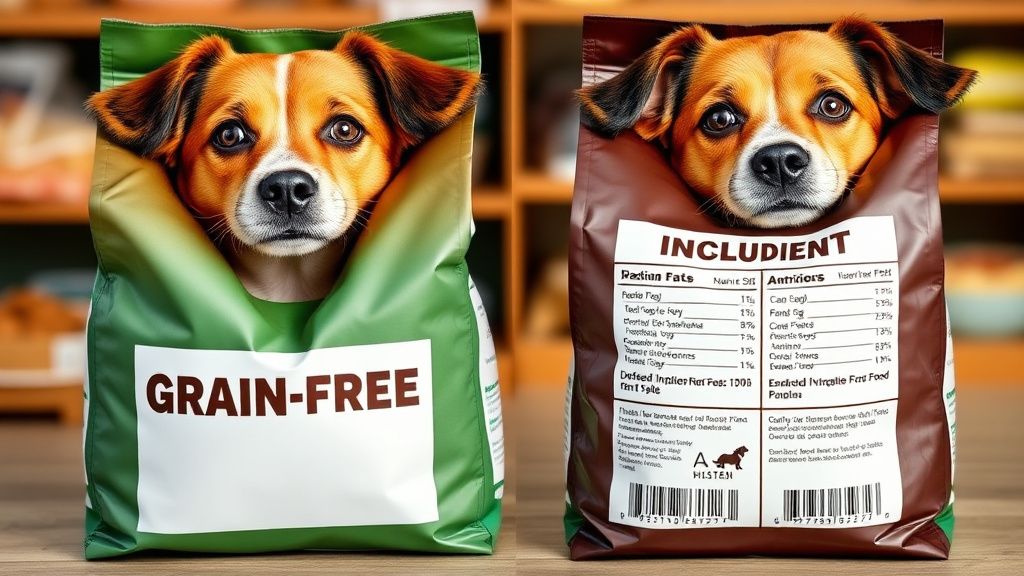
The dog food world is not static. Formulations change, regulations evolve, and new research comes to light. Major organizations like the WSAVA have updated their nutritional guidelines, and AEFCO has refined protein definitions. The core of the grain free discussion still ties back to the FDA's investigation into a potential link between certain grain free diets and a heart condition called Dilated Cardiomyopathy (DCM). Their report was clear: more than 90 percent of foods reported in DCM cases were grain free, and 93 percent contained peas and/or lentils.
This sparked a wave of reformulation. Brands began re examining their recipes, particularly their use of "pulses" – peas, lentils, and chickpeas. While grain inclusive diets can contain these items, grain free foods remain more likely to have them because most recipes use them to boost protein content in place of grains. The key takeaway for 2026 isn't that grain free is inherently bad, but that the *type* and *amount* of ingredients matter immensely.

Encouragingly, recent 2026 testing has provided some clarity. One analysis found no statistically significant difference in median digestibility between matched grain inclusive and grain free formulas when peas, lentils, or potatoes were kept below 20 percent of the formula. This is a crucial data point. It suggests that well formulated diets on both sides of the grain fence can be highly digestible, provided they are crafted with care and balance.
Busting the Biggest Myths
Let's clear up some persistent misconceptions. First, the idea that grain free is automatically superior is simply not supported by science. As the American Kennel Club notes, no study has ever shown grain free to be superior to grain inclusive diets. Grains are not just "fillers." As veterinarians point out, eliminating them without medical justification offers no proven benefit and may introduce unintended risks. Whole grains are valuable sources of B vitamins, iron, magnesium, and complex carbohydrates for sustained energy.
Second, true grain allergies in dogs are actually quite rare. Allergies are far more commonly linked to animal proteins like beef or chicken. However, some dogs do have sensitivities. If your pup has itchy skin, chronic ear infections, or tummy troubles, a diet change might be helpful. In these cases, a grain free formula that uses an alternative carbohydrate source like sweet potato could be beneficial, as it removes common irritants like wheat or corn. It's always best to work with your vet to identify the true culprit.
Finally, let's talk cost. It's a practical consideration for every pet parent. Dog food with grains is often a popular choice because it costs less than grain free dog food. You can invest those savings into other aspects of your dog's wellbeing, like a fun new puzzle toy from a dog subscription box or some top notch best dog treats.
Grain Inclusive: The Comeback Kid
Grain inclusive diets are experiencing a well deserved resurgence, and for good reason. They offer a stable, nutritious foundation for many dogs. In my experience, grain inclusive foods that use easier to digest grains like rice or oats often feel more stable for a lot of dogs, especially those with sensitive stomachs.
Modern grain inclusive recipes are a far cry from the generic kibble of the past. Look for formulas that feature wholesome, high quality grains like oatmeal, barley, or quinoa. These ingredients contribute a valuable array of nutrients. For example, our nutritionist highly recommends certain grain inclusive foods for senior dogs due to the inclusion of wholesome grains alongside omega fatty acids, antioxidants, glucosamine, probiotics, and taurine. This powerful combination works to support a healthy immune system and boost coat and skin health.
One pet parent shared a telling story: "So far so good, as both of my dogs love their new Wellness Complete Health Lamb & Barley. They have been on Wellness Original Grain Free for many years, but because of the recent scare on grain free food, I decided to change." This reflects a common and thoughtful shift many owners are making.
Grain Free: When It's the Right Choice
Grain free diets still have an important place. They are a legitimate and necessary option for dogs with diagnosed grain sensitivities or specific veterinary recommendations. The key is selecting a modern, responsibly formulated grain free diet.
When considering grain free, scrutinize the ingredient list. Be mindful of the concentration of pulses (peas, lentils, chickpeas) and potatoes. Based on the latest findings, opting for a formula where these ingredients are not the primary components and constitute less than 20 percent of the total recipe is a prudent strategy. Look for brands that have diversified their carbohydrate sources or increased their meat content to compensate.
It's also worth considering grain free in the context of variety. Some experts advocate for a rotational feeding approach. The short answer to the grain question, according to one source, is to provide both. By offering both grain inclusive and grain free diets over time, your dog receives a fuller spectrum of nutrients that only a variety of carbohydrate sources can supply. This philosophy aligns with the growing popularity of dog food delivery services that offer rotating menus.
How to Choose for Your Unique Dog
So, how do you translate all this information into a decision? Start with your dog, not the trend.
* Consult Your Veterinarian. This is always step one. Discuss your dog's health history, breed predispositions (as some breeds were highlighted in the DCM reports), and any symptoms.
* Read the Ingredient Deck. Don't just look at the front label. Look at the first five ingredients. Is a named meat the first ingredient? What carbohydrate sources are used? Where do peas or lentils fall on the list?
* Consider Your Dog's Life Stage and Activity. A working breed puppy has different energy needs than a sedentary senior. Many grain inclusive formulas are excellent for seniors, providing balanced energy without overloading them.
* Monitor and Adapt. After a transition, watch your dog closely. Is their energy good? Is their stool consistent and firm? Is their coat shiny? A beautiful coat and good digestion are often the best indicators of a diet that's working. If you notice signs of stress or anxiety during any diet change, our dog anxiety guide can offer helpful tips.
* Think About Variety. If your dog thrives on their current food but you want to leverage the benefits of different nutrients, consider rotating between a trusted grain inclusive and a responsibly formulated grain free food every few months. You can also incorporate different formats like freeze dried dog food as a topper or occasional meal for added variety and nutrient diversity.
Final Thoughts
The grain free versus grain inclusive debate of 2026 is less about picking a side and more about making an informed, individual choice. The fear driven panic has subsided, replaced by better data and more transparent formulation practices. For the average dog without specific sensitivities, a high quality grain inclusive diet is a completely healthy, safe, and often more economical option. It provides balanced nutrition from a wide array of sources, including valuable whole grains.
For dogs that do better without grains, you can now select a grain free diet with greater confidence by choosing modern recipes mindful of pulse content. Perhaps the most forward thinking approach is to embrace dietary diversity. Rotating between different high quality formulas, whether through your own planning or a curated dog subscription box, can be a wonderful way to support long term health. Ultimately, the best food is the one that makes your specific dog vibrantly healthy, happily energetic, and eager for every single meal.
Find the Perfect Box for Your Dog
Compare top-rated dog subscription boxes and find the best fit for your pup.
Compare Boxes