Best Dog Food for Sensitive Stomachs
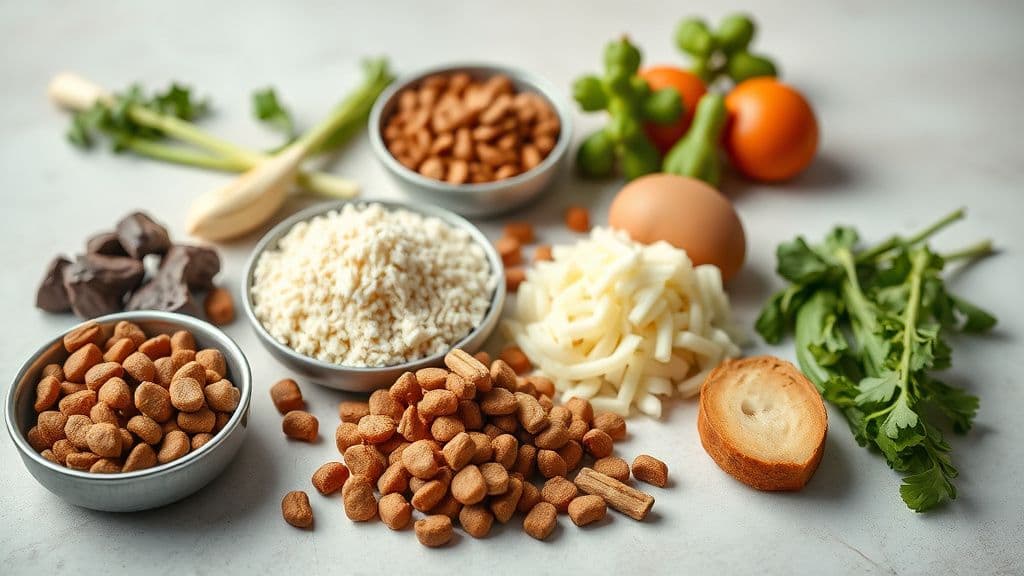
Grain free or limited ingredient diets can both help sensitive stomachs, but the right choice depends on your dog's specific triggers.
The choice between grain free and limited ingredient diets for a sensitive stomach depends on your dog's specific triggers. For many dogs, a vet recommended grain inclusive diet with high quality, easily digestible proteins is the best starting point. If symptoms persist, a carefully selected limited ingredient or grain free diet, which minimizes common allergens, may be the next step.
Seeing your dog struggle with a sensitive stomach is tough. The vomiting, the diarrhea, the general discomfort that makes them less than their happy, tail wagging selves. As a pet parent, you just want to find the food that will settle their tummy and bring back that spark. The pet food aisle, however, can feel like a minefield of conflicting claims. Two terms you'll see constantly are "grain free" and "limited ingredient." They're often marketed for sensitive pups, but they aren't the same thing, and one isn't automatically better than the other. Choosing the right path requires understanding what each diet offers and, more importantly, what your individual dog needs. Let's clear up the confusion so you can make a confident, informed decision for your furry family member.
What Does a "Sensitive Stomach" Actually Mean?
First, it helps to define our terms. A sensitive stomach isn't a formal diagnosis. It's a broad way to describe a dog with a digestive system that's easily upset. Symptoms can include frequent vomiting, loose stools or diarrhea, excessive gas, and abdominal discomfort. These issues can stem from a variety of causes.
Sometimes, it's simply about digestibility. Low quality fillers like corn, soy, and wheat can be harder for some dogs to break down, as noted by veterinary experts. Other times, it's a true food sensitivity or allergy, where the dog's immune system reacts to a specific ingredient, often a protein source like chicken or beef. Dairy products can also be difficult for many dogs to digest. The goal with any sensitive stomach diet is to remove these irritants and provide nourishment that's gentle on the gut.
Grain Free Diets: Are Grains Really the Problem?
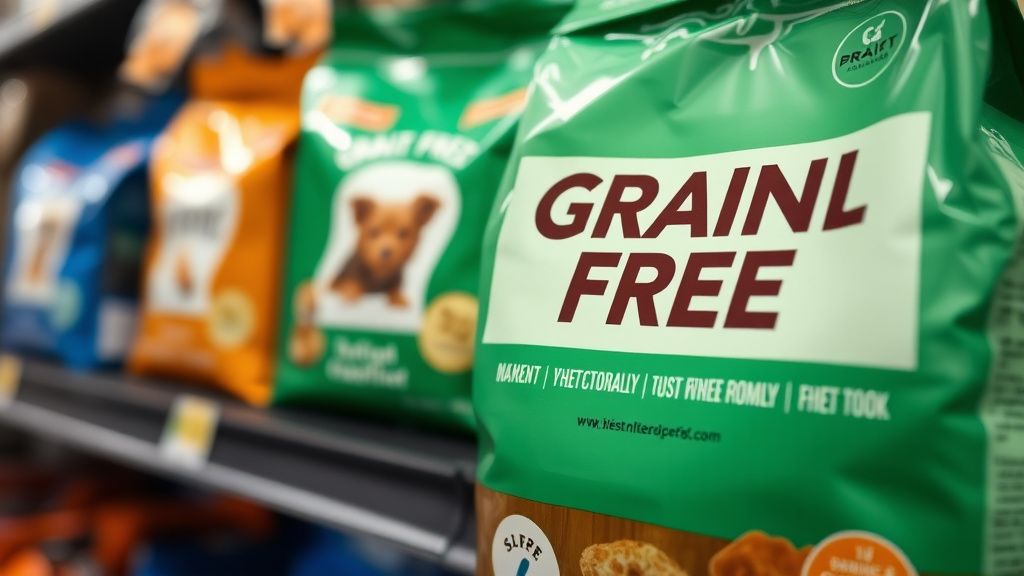
Grain free formulas have surged in popularity, often promoted as the solution for dogs with itchy skin or upset tummies. The premise is simple: remove grains like wheat, corn, and rice. But here's the critical detail from our research: being grain free alone does not equal hypoallergenic.
Grains are not inherently bad. In fact, for most dogs with sensitive stomachs, a vet recommended grain inclusive diet is the best starting point. Whole grains like brown rice and oatmeal may actually be easier to digest than low quality grains or some alternative carbohydrates. The real issue often lies elsewhere.
However, for a subset of dogs, grain free can be beneficial. As one board certified expert stated, for dogs with genuine grain sensitivities or chronic GI upset, eliminating problematic carbohydrates can lead to dramatic improvements. The caution with grain free diets is what replaces the grains. They are often high in peas, lentils, and legumes. For some dogs, these novel ingredients can also cause digestive trouble. So, choosing a grain free diet is a specific strategy, not a universal fix.
Limited Ingredient Diets: The Power of Simplicity
If grain free diets are about removing one category, limited ingredient diets (LIDs) are about minimalism across the board. These formulas are explicitly designed for dogs with food sensitivities and allergies. The philosophy is straightforward: fewer ingredients mean fewer potential triggers.

A high quality LID will feature a single, easily digestible protein source as the first ingredient, such as salmon or duck, and one primary carbohydrate source, like sweet potato. They systematically avoid common allergens including chicken, beef, lamb, dairy, eggs, soy, and grains. For example, the Nutrience Care Sensitive Skin & Stomach formula is a limited ingredient, gluten free diet free of all these common triggers.
This makes LIDs an excellent diagnostic tool. If your dog's symptoms improve on a novel protein LID, you have strong evidence that something in their old food was causing the problem. You can then work with your vet to methodically identify the culprit. I've seen this approach turn a chronically uncomfortable dog into a vibrant one, simply by cutting out the one ingredient that didn't agree with them.
How to Choose: A Step by Step Guide for Your Dog
So, with both options on the table, how do you decide? Don't just grab the bag with the most compelling marketing. Follow this actionable plan.
First, and most importantly, consult your veterinarian. Rule out underlying medical conditions that mimic food sensitivities. Your vet can help you interpret your dog's symptoms and recommend the best starting point.
If a dietary issue is suspected, many vets will suggest starting with a high quality, grain inclusive diet. Look for one with a high quality, easily digestible protein as the first ingredient, and avoid common allergens such as corn, wheat, and soy. Probiotic rich kibbles and formulas with prebiotic fibers can also support a healthier gut microbiome.
If symptoms don't improve after a trial period (usually 8-12 weeks), then it's time to investigate further. This is where a carefully selected grain free or limited ingredient diet may be the logical next step. Consider a limited ingredient diet if you suspect a specific protein allergy. Consider a grain free diet if your vet suspects a grain intolerance, but be mindful of the legume content.
When evaluating any food, read the ingredient list carefully. Avoid long lists with vague terms like "meat by-products." Steer clear of artificial dyes, flavors, and heavy flavor coatings, as these can raise the risk of a reaction.
Top Diet Formats & Supporting a Sensitive Gut
Beyond the grain free versus LID debate, the physical format of the food can make a big difference.
Wet foods and those with single protein sources can be gentler on digestion. The higher moisture content is easier to process. Fresh, human grade meals are also becoming a popular choice for sensitive dogs, as they are highly digestible and free from many processing additives. For a convenient way to explore these options, a dog food delivery service specializing in sensitive formulas can be a lifesaver, bringing trial-sized portions right to your door.
Don't forget about treats! They can sabotage your efforts if they contain your dog's triggers. Look for simple, single ingredient treats that align with their main diet. Incorporating a dog subscription box that curates hypoallergenic treats and chews can help you discover safe, enjoyable snacks without the guesswork.
Finally, remember that stress can directly impact digestion. A dog with anxiety may exhibit stomach issues. If you suspect this is a factor, our dog anxiety guide offers strategies to help create a calmer environment for your pet.
Final Thoughts
Choosing food for a dog with a sensitive stomach is a journey of patience and observation. There is no single "best" diet, only the best diet for your dog. Start with veterinary guidance and a high quality, simple formula. Whether you begin with a grain inclusive diet or move directly to a limited ingredient one, the goal is the same: to find the combination of proteins and carbohydrates that allows your dog to thrive without discomfort.
Pay close attention to how your dog responds. A shinier coat, consistent energy, and, most importantly, firm stools and a happy belly are the true signs of success. It might take a few tries, but finding that perfect nutritional match is one of the most rewarding things you can do for your loyal companion's long term health and happiness.
Find the Perfect Box for Your Dog
Compare top-rated dog subscription boxes and find the best fit for your pup.
Compare Boxes