Grain or Ingredient Diets for Sensitive Stomachs
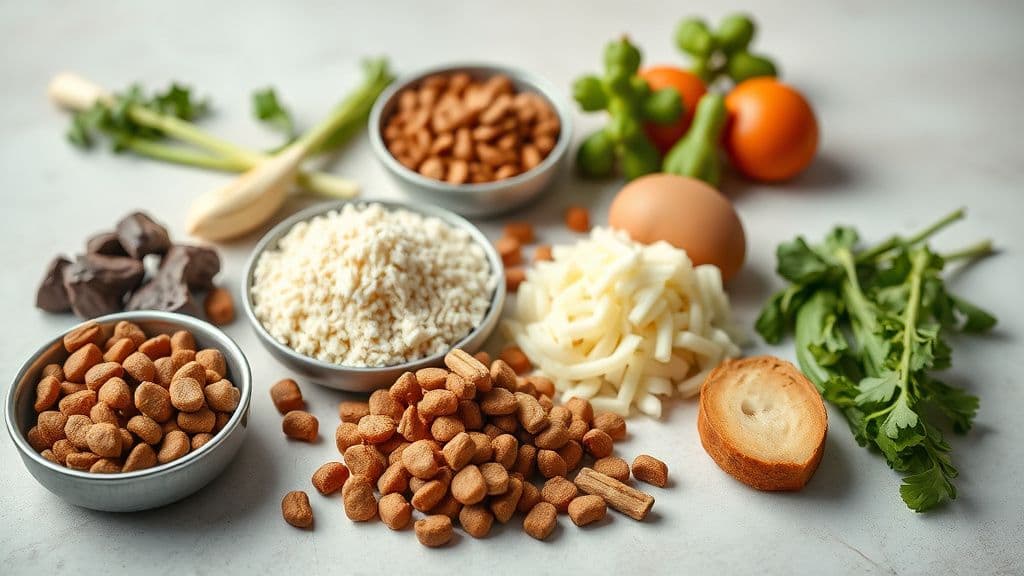
Confused by grain free or limited ingredient diets? Find the best food for your dog's sensitive stomach here.
For most dogs with a sensitive stomach, a vet recommended grain inclusive diet with easily digestible proteins and gentle carbs like rice or oatmeal is the best starting point. If symptoms persist, a carefully selected grain free or limited ingredient diet that eliminates common allergens may be necessary, but you should always confirm with your vet before switching to grain free.
Watching your dog struggle with a sensitive stomach is heart wrenching. The upset tummy, the picky eating, the unpredictable digestive issues it can feel like a never ending puzzle. As a dog care writer who has spoken with countless owners and experts, I know the overwhelming choice between grain free and limited ingredient diets is a major point of confusion. The marketing is loud, but your dog's health needs clarity, not hype. Let's clear the air and get to the facts, so you can make a confident, informed decision for your furry family member.
What Does a "Sensitive Stomach" Really Mean?
First, it's crucial to understand what we're dealing with. A sensitive stomach isn't a formal diagnosis. It's a catch all term for a dog that experiences frequent, mild to moderate digestive upset. You might see symptoms like occasional vomiting, loose stools, excessive gas, or a general lack of enthusiasm for meals. These issues can stem from a variety of causes, and identifying the root is the first step to a solution.
Often, the culprit lies in the food bowl. Common triggers include low quality fillers that are hard to digest, artificial additives, or specific protein or carbohydrate sources that your dog simply can't tolerate. As the experts at Sploot Vets note, fillers such as corn, soy, and wheat can be harder for some dogs to process. Dairy products are another frequent offender. The goal isn't just to mask symptoms, but to find a diet that supports smooth, comfortable digestion day in and day out.
Grain Inclusive vs. Grain Free: Busting the Biggest Myth
This is where many owners get tripped up. There's a pervasive belief that "grain free" automatically means "better for sensitive stomachs." This isn't necessarily true. Grains themselves are not inherently bad or hard to digest for most dogs. In fact, many grains are excellent sources of energy and fiber.

The key is the *quality* and *type* of grain. As highlighted in consumer reviews on Chewy, whole grains like brown rice and oatmeal may be easier to digest than those containing low quality grains. A bland diet of chicken and rice is a classic home remedy for upset stomachs for a reason. Rice is gentle. The problem often isn't the grain, but the specific ingredient or the overall formula.
However, for a subset of dogs, grains can be problematic. Board Certified veterinarian Laura Chen points out that for dogs with genuine grain sensitivities or chronic GI upset, eliminating problematic carbohydrates can lead to dramatic improvements. It's also important to know that many grain free formulas replace grains with other carbohydrate sources like peas and lentils. If your dog's issue is with a specific grain like wheat, a grain free diet could help. But if the issue is with peas or lentils, switching to a grain free diet could make things worse.
The consensus from veterinary professionals is clear. For most dogs with sensitive stomachs, a vet recommended grain inclusive diet is the best starting point.
When a Limited Ingredient Diet is the Right Choice
If a simple, high quality grain inclusive diet doesn't resolve the issues, or if your vet suspects a food allergy or intolerance, a Limited Ingredient Diet (LID) becomes a powerful tool. The name says it all. These diets are formulated with a minimal number of components, usually one novel protein source and one carbohydrate source. This simplicity makes it much easier to identify and eliminate triggers.
Brands like Nutrience Care formulate their Sensitive Skin & Stomach food as a limited ingredient, gluten free diet specifically for this purpose. Their formula is free of all common allergens including chicken, beef, lamb, dairy, eggs, and soy. Similarly, the American Journey Limited Ingredient Salmon & Sweet Potato Recipe focuses on a single protein salmon and avoids grains, corn, wheat, and artificial colors.
Think of an LID as a detective's toolkit. By feeding a diet with 10 ingredients instead of 40, you drastically reduce the number of potential suspects. If your dog's symptoms improve, you've likely found the right path. Later, you might be able to carefully reintroduce other ingredients to test tolerance. This methodical approach is far more effective than randomly hopping between different "sensitive stomach" formulas.
Key Features to Look For in Any Sensitive Stomach Food
Whether you ultimately choose a grain inclusive, grain free, or limited ingredient diet, certain features signal a formula designed for digestive health. Use this checklist when comparing bags or reading reviews.
* High Quality, Easily Digestible Protein as the First Ingredient: Look for real, named meats like deboned chicken, salmon, or turkey listed first. Avoid vague terms like "meat by products" or "animal digest."
* Gentle Carbohydrates: Opt for whole, recognizable carbs. Sweet potato, pumpkin, brown rice, and oatmeal are typically well tolerated. Steer clear of excessive amounts of peas, lentils, or unnamed starches.
* Added Digestive Support: Probiotics (beneficial bacteria) and prebiotics (food for those bacteria) are game changers. They help maintain a healthy gut flora balance, which is central to good digestion. Many top rated formulas now include these.
* No Unnecessary Additives: Artificial colors, flavors, and preservatives can irritate a sensitive system. A clean label is a good sign.
* Appropriate Fat Content: While fats are essential, very high fat diets can trigger pancreatitis or loose stools in some dogs. A moderate fat level from good sources is ideal.
Remember, as the team at Caring Hands Vet advises, avoid long ingredient lists with vague terms. Transparency is a hallmark of a quality food.
Practical Steps to Transitioning Your Dog's Food
Finding the perfect food is only half the battle. A sudden switch can upset even the hardiest stomach, so a gradual transition is non negotiable. Here is a simple, proven schedule to follow over 7-10 days:
1. Days 1-2: Mix 25% new food with 75% old food.
2. Days 3-4: Move to a 50/50 blend.
3. Days 5-6: Mix 75% new food with 25% old food.
4. Day 7 onward: Serve 100% new food.
During this time, keep a close eye on your dog's stool consistency, energy levels, and appetite. If you see significant worsening of symptoms, slow the transition down further. Patience is key. This process also applies when introducing new best dog treats or topping up meals with a fresh dog food topper.
Don't forget the power of hydration. Wet food or adding a little warm water or low sodium broth to kibble can make it easier to digest and is gentler on the stomach. This is a simple trick that can make a big difference.
Final Thoughts
Choosing between grain free and limited ingredient for a sensitive stomach isn't about following a trend. It's a thoughtful process that starts with your vet and centers on your individual dog's needs. Begin with a high quality, vet recommended grain inclusive formula rich in digestible protein and gentle carbs. If issues continue, partner with your vet to explore a targeted limited ingredient or a carefully selected grain free diet.
The journey to a happy gut might require some detective work, but the reward a vibrant, comfortable dog who eagerly enjoys every meal is worth it. For those looking to simplify the process of finding and delivering these specialized foods, exploring a dog food delivery service that offers vet formulated or limited ingredient options can be a convenient solution. Your dog's well being is the ultimate goal, and with careful observation and the right nutritional support, you can help them feel their best from the inside out.
Recommended Products



Find the Perfect Box for Your Dog
Compare top-rated dog subscription boxes and find the best fit for your pup.
Compare Boxes