Unraveling Your Dog's Food Allergy Signs

Itching and digestive issues often signal food allergies in dogs, sometimes both together.
Food allergy symptoms in dogs most commonly involve itchy skin, paws, or ears. They can also cause gastrointestinal signs like vomiting or diarrhea. Many dogs experience both skin and digestive issues together, making it a combination of itching and upset stomach.
If your dog is constantly scratching, licking their paws, or dealing with recurrent ear infections, you know the heartache of watching them be uncomfortable. As a dog care writer, I've heard from countless owners who feel helpless when their furry friend is clearly suffering but the cause is a mystery. Often, the culprit is hiding in their food bowl. Food allergies in dogs are a common yet frequently misunderstood issue. They don't just cause an upset stomach; they can manifest in a variety of ways that affect your dog's skin, ears, and overall happiness. Understanding whether your dog's symptoms point to an allergy is the first step toward giving them relief.
What Are the Most Common Food Allergy Symptoms in Dogs?
The signs of a food allergy in dogs can be persistent and frustrating for both pet and owner. According to veterinary experts, the symptoms typically fall into two main categories: skin reactions and digestive disturbances. It's crucial to recognize these signs early.
Skin and Ear Symptoms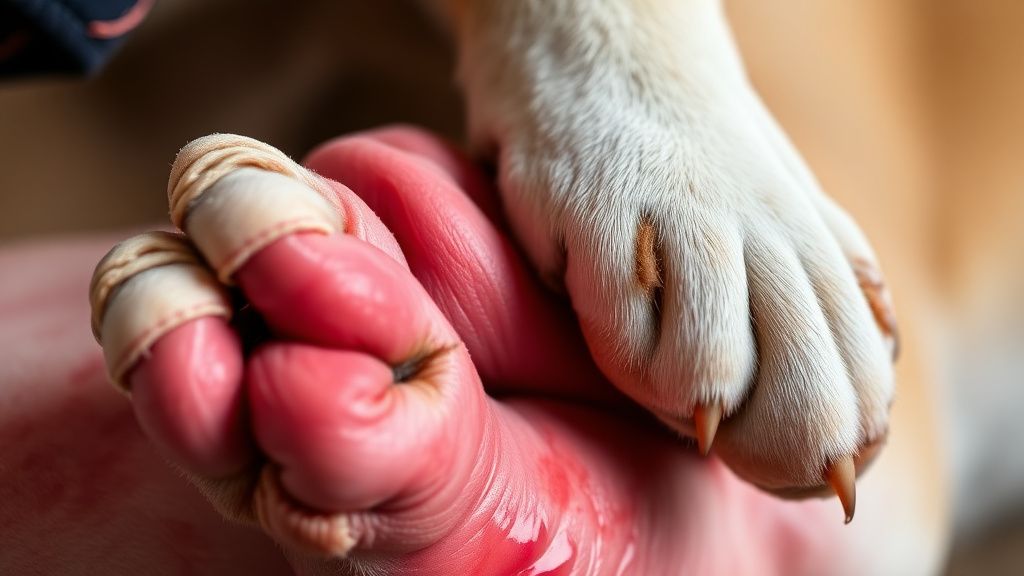
The most frequent indicator of a food allergy is itchy skin. This isn't just a casual scratch. It's intense, persistent itching that drives a dog to lick, chew, scratch, and rub constantly. You might notice them focusing on specific areas.
* Paws: Red, stained, or constantly licked paws.
* Ears: Chronic ear infections, head shaking, or a foul odor from the ears. The ears may appear red and inflamed inside.
* Face and Body: Rubbing their face on the carpet or furniture, scratching at their sides, or developing red, oozing bald patches and rashes. Large expanses of hair loss are an unfortunate marker of real discomfort, as noted by Veterinary Partner VIN.
Digestive SymptomsWhile skin issues are more common, gastrointestinal signs are also a key piece of the puzzle. These can include:
* Frequent vomiting
* Diarrhea or loose stools
* Increased gas or flatulence
* Occasional lack of appetite
The VCA Animal Hospitals resource confirms that in dogs, signs are usually "itchy skin, paws, or ears or digestive disturbances such as vomiting or diarrhea." Importantly, a dog can experience just one set of symptoms or a combination of both.
How Can You Tell If It's a Food Allergy or Something Else?
This is where things get tricky. The symptoms of food allergies can look identical to other common problems, like environmental allergies (to pollen, mold, or dust mites) or flea allergy dermatitis. A key difference often cited, such as by Purina, is that true food allergies more reliably cause both skin and gastrointestinal signs together, while environmental allergies typically cause itching alone. However, this isn't a hard and fast rule.
Flea allergy is another major mimic. Just one flea bite can trigger a severe, body-wide itch in a sensitive dog. You may not even see fleas, but you might find "flea dirt" – black specks that look like pepper – at the base of your dog's fur. Since the symptoms overlap so much, you cannot diagnose a food allergy at home based on signs alone. The inflammation from a food allergy sometimes leads to vomiting or diarrhea, and sometimes the symptoms are shown in the skin. There is no way to tell from a physical exam what the cause is, as stated by the Pet Dermatology Clinic.
The only way to know for sure is through a strict, veterinary supervised process called a food elimination trial.
What's the Real Process for Diagnosing a Food Allergy?
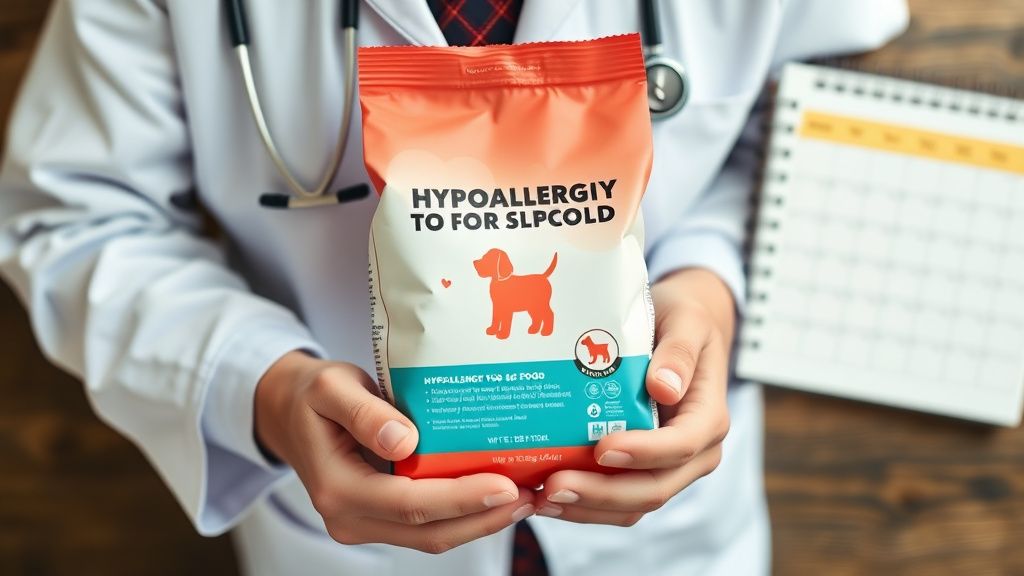
Diagnosing a food allergy is a methodical commitment, but it's the only reliable path to answers. It involves an 8 to 12 week food trial. Here’s how it works, based on standard veterinary guidance:
1. Choose a Novel Diet: Your vet will recommend a prescription diet with a "novel" protein and carbohydrate source. This means ingredients your dog has never eaten before, like kangaroo and oats or venison and potato. Some vets may recommend a hydrolyzed protein diet, where the protein is broken down into pieces too small for the immune system to recognize. Over the counter "limited ingredient" diets are not recommended for a true trial due to risks of cross contamination.
2. Eliminate Everything Else: For the entire trial period, your dog can eat NOTHING but the prescribed diet and water. This means no treats, no flavored medications, no table scraps, no chew toys with flavoring, and no licking food off the floor. This strictness is non-negotiable.
3. Monitor Symptoms: You will carefully track your dog's itching, skin condition, and stool quality. Improvement is usually seen within 4 to 6 weeks, but the full 8-12 weeks is often needed for skin to heal.
4. The Challenge Phase: If symptoms resolve, the diagnosis is confirmed by "challenging" your dog with their old food. If the itching, infection, or tummy upset flares back up within days, you have definitive proof of a food allergy.
This process requires patience, but it provides a clear answer and a roadmap for your dog's future meals.
What Foods Most Commonly Trigger Allergies in Dogs?
Contrary to popular belief, grains are not the most common offenders. The triggers are almost always proteins. Dogs develop allergies to the protein components in foods they have been exposed to over time. The most common culprits include:
* Beef
* Dairy products
* Chicken
* Wheat
* Egg
* Lamb
* Soy
Notice that many of these are staple ingredients in conventional dog foods. This is why a dog can eat a food for years without issue and then suddenly develop an allergy to it. The immune system mistakenly identifies a harmless protein as a threat and launches an attack, resulting in inflammation that shows up as itching or digestive trouble.
How Do You Manage and Treat a Dog's Food Allergy?
Once diagnosed, management is straightforward but lifelong: complete avoidance of the offending allergen. Your dog's diet will be built around a protein and carbohydrate source they can safely tolerate.
Finding the Right FoodYou and your vet will identify a commercial diet that avoids the trigger. This could be a prescription novel protein diet, a hydrolyzed diet, or a carefully selected over the counter option once the allergen is known. For owners looking for convenience and controlled ingredients, services offering fresh dog food or freeze-dried dog food delivery can be excellent options, as they often have simple, single-protein recipes. Always check the ingredient list meticulously.
Treats and SupplementsEvery treat and supplement must also be free of the allergen. This is where getting creative with single-ingredient treats (like freeze-dried salmon or duck) or using pieces of your dog's prescribed kibble as treats is essential. When searching for the best dog treats for an allergic dog, ingredient transparency is everything.
Ongoing CareSkin damaged by chronic itching may need additional support. Your vet might prescribe medications like apoquel or cytopoint to control itch during flare ups, antibiotics for secondary skin infections, or medicated shampoos. A regular supplement like omega 3 fatty acids can also help support skin health. Remember, managing the diet is the cornerstone of treatment; other therapies help manage symptoms while the diet takes effect or deal with complications.
Final Thoughts
Watching your dog suffer from constant itching or stomach issues is deeply stressful. Recognizing that these could be linked to their food is a powerful first step. Remember, the hallmark signs are relentless itching (especially of the paws, ears, and face) and/or recurrent digestive upset. While the diagnostic process is a commitment, it is a proven path to relief. By partnering with your veterinarian and committing to a strict elimination diet, you can identify the culprit and finally give your dog the comfort they deserve. A tailored diet isn't just about nutrition; it's the key to stopping the itch, settling the stomach, and getting back to a happy, scratch free life together. For more guidance on keeping your dog comfortable and stress free, especially if allergies are causing anxiety, our dog anxiety guide offers helpful strategies.
Find the Perfect Box for Your Dog
Compare top-rated dog subscription boxes and find the best fit for your pup.
Compare Boxes