Natural Dog Yeast Infection Treatments
Stop itchy yeast infections in dogs. Learn the causes, symptoms, and safe, natural home remedies to restore your pet's health.
A dog yeast infection is an overgrowth of the Malassezia yeast, a fungus naturally present on your dog's skin that can multiply out of control due to factors like allergies, moisture, or a weakened immune system. Symptoms include intense itching, red or discolored skin, a musty odor, and greasy skin or hair loss. Treatment often involves antifungal shampoos or wipes prescribed by a vet, and can be supported by natural remedies like diluted apple cider vinegar rinses and boosting your dog's diet.
Seeing your dog constantly scratch, lick, or shake their head is heartbreaking. That red, irritated skin or those gunky, smelly ears are clear signs they're uncomfortable. Often, the culprit behind this misery is a yeast infection. As a dog care writer who's talked with countless pet parents, I've learned that while these infections are incredibly common, they can be confusing to tackle. Yeast is a normal resident on your dog's skin, but when it grows out of balance, it leads to infection and significant discomfort. This guide will walk you through exactly what causes these infections, how to spot them, and what you can do to help your dog find relief, combining trusted veterinary advice with supportive natural care.
What Exactly is a Dog Yeast Infection?
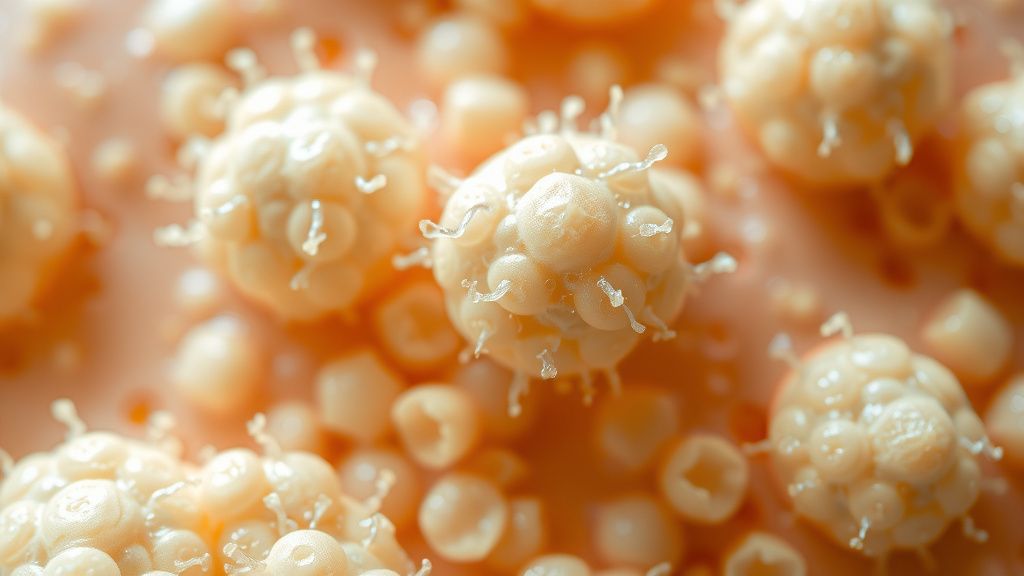
Yeast is a type of fungus, and the specific one usually responsible for infections in dogs is called *Malassezia pachydermatis*. Don't let the scientific name alarm you. This yeast is a normal part of your dog's skin microbiome, living there harmlessly in small numbers. Think of it like a peaceful resident in a tiny town on your dog's skin.
The problem starts when this yeast population has a massive, uncontrolled growth spurt. According to veterinary sources, a yeast infection, often called yeast dermatitis, occurs when there is an "abnormal overproduction of the yeast that is normally found on your pet's skin." This overgrowth irritates the skin, triggers inflammation, and creates the classic symptoms we associate with the infection. It's not an invasion from the outside, but rather a rebellion from within the normal skin flora.
Yeast thrives in specific environments. It loves warmth, darkness, and moisture. This is why certain areas of your dog's body are prime targets. The ear canals, skin folds, paw pads, armpits, and groin area provide the perfect, humid breeding ground for yeast to multiply.
What Causes a Yeast Infection in Dogs?
Understanding the "why" is the first step to effective treatment and prevention. A healthy dog's skin and immune system keep yeast levels in check. When something disrupts this balance, the yeast seizes the opportunity. Here are the primary triggers, as outlined by veterinary experts.
Underlying Allergies
This is one of the most common root causes. Allergies, whether to food ingredients or environmental factors like pollen or dust mites, create chronic inflammation in the skin. This inflamed, compromised skin barrier is less able to defend against yeast overgrowth. If your dog has recurring yeast issues, allergies are a very likely suspect.
Excess Moisture and Humidity
Yeast is a moisture loving organism. Dogs who swim frequently, live in humid climates, or aren't dried thoroughly after baths are at higher risk. Trapped water, especially in those deep ear canals or between skin folds, creates a literal petri dish for yeast. The research specifically notes that if your dog swims or is bathed often, trapped water can lead to ear infections.
A Weakened Immune System
A dog's immune system is its primary defense force. Conditions like autoimmune diseases, certain cancers, or even prolonged stress can suppress immune function. When the immune system is not at full strength, it can't properly regulate the yeast population on the skin.
Other Contributing Factors
Several other conditions can set the stage for yeast. Hormonal imbalances, such as hypothyroidism or Cushing's disease, alter the skin's environment. Antibiotic use can wipe out beneficial bacteria that normally compete with yeast. Even a diet that doesn't fully support skin health can be a contributing factor. Breeds with lots of skin folds, like Bulldogs, Shar-Peis, and Pugs, are also more prone simply due to their anatomy.
Recognizing the Symptoms: Does My Dog Have a Yeast Infection?
The signs of a yeast infection are distinct, though they can sometimes be confused with bacterial infections or other skin problems. Symptoms vary slightly depending on whether the infection is on the skin or in the ears.
Skin Yeast Infection Symptoms
* Intense, Persistent Itching: This is often the first thing you'll notice. Your dog will scratch, lick, chew, or rub the affected area relentlessly.
* Skin Changes: Look for red, irritated skin or a discoloration that appears pink, gray, or even blackish. The skin may become thickened and look like elephant skin.
* Odor: A hallmark sign is a distinct, musty smell. Many owners describe it as similar to corn chips, cheese, or mildew. This odor is a key differentiator from other skin issues.
* Greasy Skin and Hair Loss: The infected area may become greasy or oily to the touch. You might see patchy hair loss where your dog has been licking or chewing.
* Chronic Ear Infections: Recurrent ear issues are very often linked to yeast. If your dog's ears are a constant problem, yeast is a likely player.
Ear Yeast Infection Symptoms
* Head Shaking and Ear Scratching: Your dog will frequently shake its head or paw at its ears.
* Discharge and Odor: The ears may produce a waxy, brown, or yellow discharge. That same characteristic musty, yeasty smell will be present.
* Redness and Swelling: The ear flap and canal will look red and inflamed.
* Pain: Your dog may yelp or pull away when you touch its ears or head.
If you notice any of these symptoms, the best first step is to consult your veterinarian. They can perform a simple test, like a skin cytology, to look at skin cells under a microscope and confirm the presence of yeast. This ensures you're treating the right problem.
Conventional Veterinary Treatments for Dog Yeast Infections
For most dogs, especially those with advanced or chronic yeast dermatitis, vets recommend a multi pronged approach. As VCA Animal Hospitals states, "Most dogs with advanced or chronic yeast dermatitis are treated with a combination of oral and topical treatment."
Topical Therapies are the frontline defense. These include:* Medicated Shampoos and Rinses: Antifungal shampoos containing ingredients like chlorhexidine, ketoconazole, or miconazole are used frequently, often on a weekly or bi weekly basis. They help remove excess oil and yeast from the skin surface.
* Wipes, Sprays, and Ointments: For localized spots, like between toes or in skin folds, your vet may prescribe topical creams or wipes for direct application.
* Ear Medications: For ear infections, your vet will clean the ears and prescribe a topical antifungal ear drop or ointment.
Oral Antifungal Medications like ketoconazole, itraconazole, or fluconazole may be prescribed for severe, widespread, or stubborn infections. These work from the inside out.It's crucial to use all medications exactly as your veterinarian directs and for the full duration prescribed, even if your dog looks better. Stopping early can lead to a rapid rebound of the infection.
Supporting Recovery with Natural and Home Remedies
While you should always follow your vet's primary treatment plan, certain natural approaches can provide supportive relief and help create an environment where yeast struggles to return. These are not substitutes for veterinary diagnosis, but they can be helpful allies.
1. Antifungal Baths and Rinses
* Apple Cider Vinegar (ACV) Rinse: After a regular bath, a final rinse with a diluted solution of apple cider vinegar (1 part ACV to 3-5 parts water) can help restore the skin's natural acidity, which yeast dislikes. Never use this on open wounds or raw skin, as it will sting.
* Coconut Oil Application: Organic, unrefined coconut oil contains caprylic acid, which has natural antifungal properties. You can apply a thin layer to affected skin spots. Be mindful that some dogs will just try to lick it off.
2. Dietary Support and Boosting Immunity
A strong immune system is your dog's best long term defense. Purina's article emphasizes that because infections develop when defenses are low, "it may help to boost their immune system. A complete and balanced diet can strengthen their immune response."
* Consider a High Quality Diet: Look for a dog food that is balanced and complete, with real meat as a primary ingredient. Some pet parents find that moving away from highly processed kibble to options like fresh dog food or freeze-dried dog food can improve overall skin health. Always transition diets slowly.
* Add Probiotics: Supplements or probiotic rich foods (like plain kefir or yogurt) can support gut health, which is closely linked to immune and skin health.
* Explore Limited Ingredient Diets: If food allergies are suspected, working with your vet to try a novel protein or limited ingredient diet can be transformative. You can explore different protein options through a dog food delivery service that offers single protein meals.
3. Environmental and Paw Care
* Keep Them Dry: Meticulously dry your dog after swimming or bathing, paying special attention to ears, paws, and skin folds. In humid weather, keep indoor areas cool and dry.
* Paw Soaks: For yeasty paws, a gentle soak in a diluted antifungal solution (like the ACV mix or a vet recommended chlorhexidine solution) can help. Always dry the paws completely afterward.
* Regular Cleaning: Gently clean skin folds with a soft, damp cloth and dry thoroughly.
How to Prevent Future Yeast Infections in Your Dog
Prevention focuses on managing the underlying causes and maintaining a healthy skin environment.
1. Manage Allergies: If your vet identifies allergies, commit to the management plan. This may include allergy medications, immunotherapy, or a strict hypoallergenic diet.
2. Maintain a Consistent Grooming Routine: Regular brushing removes dead skin and distributes natural oils. Use a vet approved, gentle antifungal shampoo periodically if your dog is prone to yeast.
3. Ensure Complete Drying: This cannot be overstated. It is one of the simplest yet most effective preventive measures.
4. Support Overall Health: Keep up with regular vet checkups to catch hormonal or immune issues early. Provide a nutritious diet, regular exercise, and mental stimulation to minimize stress. For anxious dogs, stress can weaken immunity, so check out our dog anxiety guide for calming tips.
5. Inspect Regularly: Make weekly checks of your dog's ears, paws, and skin folds part of your routine. Catching early signs allows for quicker, simpler intervention. Make it a positive experience with plenty of praise and some of the best dog treats as a reward.
Final Thoughts
Dealing with a dog yeast infection can feel like a frustrating cycle of treatment and recurrence. The key is to look beyond the yeast itself and understand it as a symptom of an imbalance. Successful management is almost always a team effort between you and your veterinarian. Use prescribed medical treatments to knock back the immediate overgrowth, and then build a strong foundation of prevention through diet, grooming, and environmental control. Pay close attention to what your dog's skin is telling you. With patience, consistency, and a proactive approach, you can help your dog achieve comfortable, healthy skin and break the itch scratch cycle for good. For ongoing care and to keep your dog happy between vet visits, discovering new, healthy products through curated best dog subscription boxes can be a fun way to support their well being.
Recommended Products



Find the Perfect Box for Your Dog
Compare top-rated dog subscription boxes and find the best fit for your pup.
Compare Boxes